
 SNS Group
Countdowns on throw-ins and goal kicks plus 10-second time limits on substitutions could feature at this summer’s World Cup as the game’s lawmakers seek to keep the tempo of matches flowing.
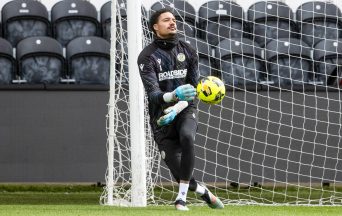
The introduction of an eight-second limit for goalkeepers to release the ball from hand has been positively received and now the International Football Association Board (IFAB) is working to extend the countdown principle to other areas of play.
Referees are set to be empowered to impose a five-second countdown on dead ball goal kicks and on throw-ins if they feel a player is taking too long.
Substitutions have been identified as another area where teams seek to disrupt tempo and these could be limited to 10 seconds, with substitutes barred from entering the field for a period of time – potentially a minute – if the 10-second limit is exceeded.
Injured players could also be forced to remain off the field for a fixed period of time, again to deter teams from using injuries as a way to break up play.
Asked whether the measures might be implemented for the World Cup in North America, the IFAB’s technical director David Elleray said: “They could be, yes.”
Football Association of Wales chief executive Noel Mooney, who chaired the IFAB’s annual business meeting in London on Tuesday, said: “We all get frustrated when we see a game stopped, and we’re (all) suspicious if the game has been stopped for the right reasons, (or if it has been) done for tactical reasons, and so on.
“So we really wanted to focus on that, certainly this year, and we’ve got a number of measures that I think will make the game much better.”
The meeting also proposed VARs be able to review red cards resulting from factually incorrect second yellow cards, as well as cases in which the wrong team is penalised for an offence resulting in a red or yellow card. Competitions will also be given the option to review corners, where this can be done without delaying the restart.
FIFA’s referees’ chief Pierluigi Collina is a big supporter of this, and corner kicks are set to be checked at the World Cup, although there is thought to be far less support elsewhere.
Trials of a ‘daylight’ offside law championed by former Arsenal manager Arsene Wenger will also continue, with Elleray confirming the Canadian top flight had expressed an interest in testing it.
Under the trial, a player would be onside if any part of their body which could score is level with the second-last defender.
Elleray said a modified trial, where a player is onside if any part of their torso is level, could also take place.
Wenger, now FIFA’s chief of global football development, believes the “radical solution” of daylight should be tried first, even though there have been questions about how it could impact on defender behaviour.
“For years offside has been about the most forward part of a player’s body, so to judge on the torso would be a change – and you have to decide what the torso is,” he said.
“We have to try the radical solution first and see if we need to come back from it.”
Follow STV News on WhatsApp
Scan the QR code on your mobile device for all the latest news from around the country