 SNS Group
Barbie has officially arrived in Glasgow, making her Scottish debut at Kelvingrove Museum.
This major exhibition explores the history, design and cultural impact of one of the world’s most recognisable dolls over the last seven decades.
Excitement has been building over the weeks, with the opening day on Saturday already sold out.
On entry, visitors are met with a sweeping pantheon display of milestone dolls from across different eras and styles.
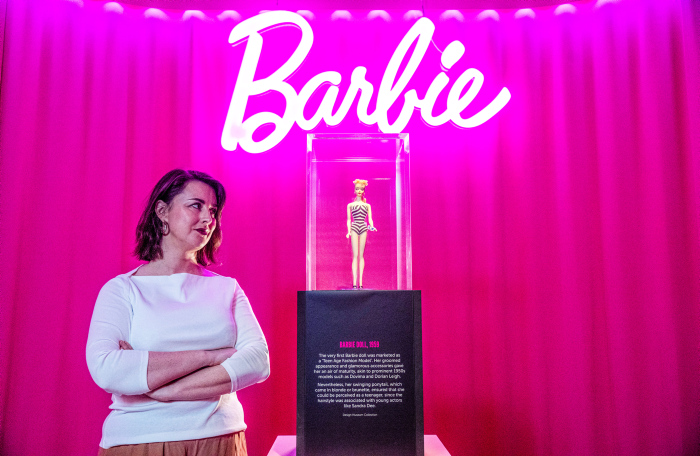
At the centre is the doll that started it all – the No.1 Barbie. Displayed in a rotating case, this rare, hand-painted edition features her iconic black-and-white striped swimsuit and sassy sideways glance.
The exhibition was led by Danielle Thom, senior curator at the Design Museum in London, where it first debuted in 2024.
 STV News
She and her team spent months delving into Mattel’s archives in Los Angeles for one-off pieces, borrowed from private collectors and scoured the internet to purchase unusual finds for the project.
“When we put the exhibition together, what we wanted to do was tell the story of Barbie and the Barbie brand through a design lens. How has the evolution of Barbie in its world kept pace with our own changing society and aesthetics?”
One of the most fascinating items on display is the world’s only prototype of the first talking Barbie from the late 1960s. The doll has a transparent plastic torso, revealing the internal mechanism with a tiny spinning disc, which allows her to speak.
 SNS Group
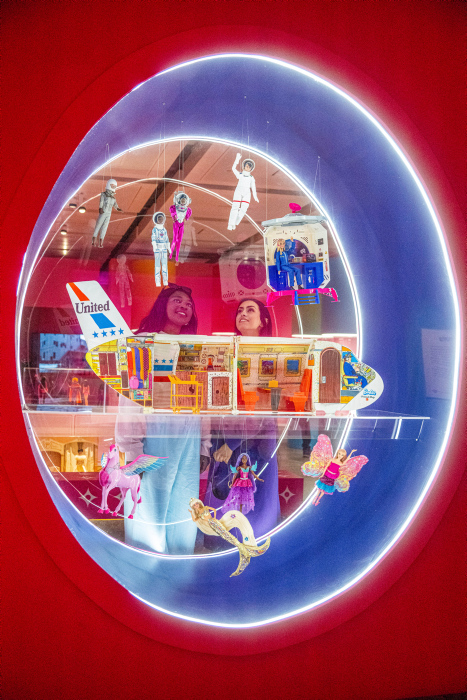
Spanning 67 years, the collection features over 250 objects, from early dolls to fashion, vehicles, and playsets, and offers a behind-the-scenes look at how Barbie has been designed and reimagined over time.
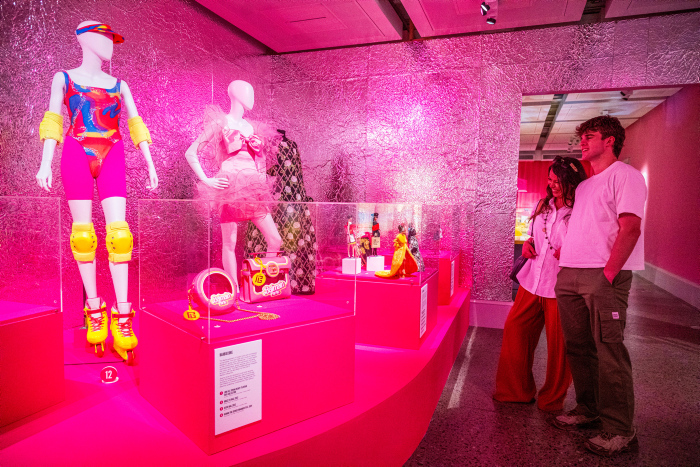
Barbie’s impact on architecture, fashion and wider culture is explored through her Dreamhouses and high-fashion collaborations. Globally renowned designers like Oscar de la Renta, Donna Karan and Yves Saint re among those who created bespoke looks for the doll – all of which are now on show at Kelvingrove.
“The way Barbie looks is not plucked out of thin air; it’s designed with reference to the real world,” Danielle said. “We uncovered lots of interesting and surprising connections between the doll itself and big-name architects, furniture, and fashion designers.”
“It really brought home to me how the design process, the thought and intention that goes into the creation of Barbie is not something that exists in isolation.”
The display also features real costumes from the 2023 hit film Barbie, including the Swarovski-studded pink pom-pom heels worn in the famous introductory scene.
The Greta Gerwig blockbuster reignited global interest in the doll, played by Margot Robbie, turning the doll into a global talking point once again and sparking fresh debates around feminism and corporate capitalism.
 SNS Group
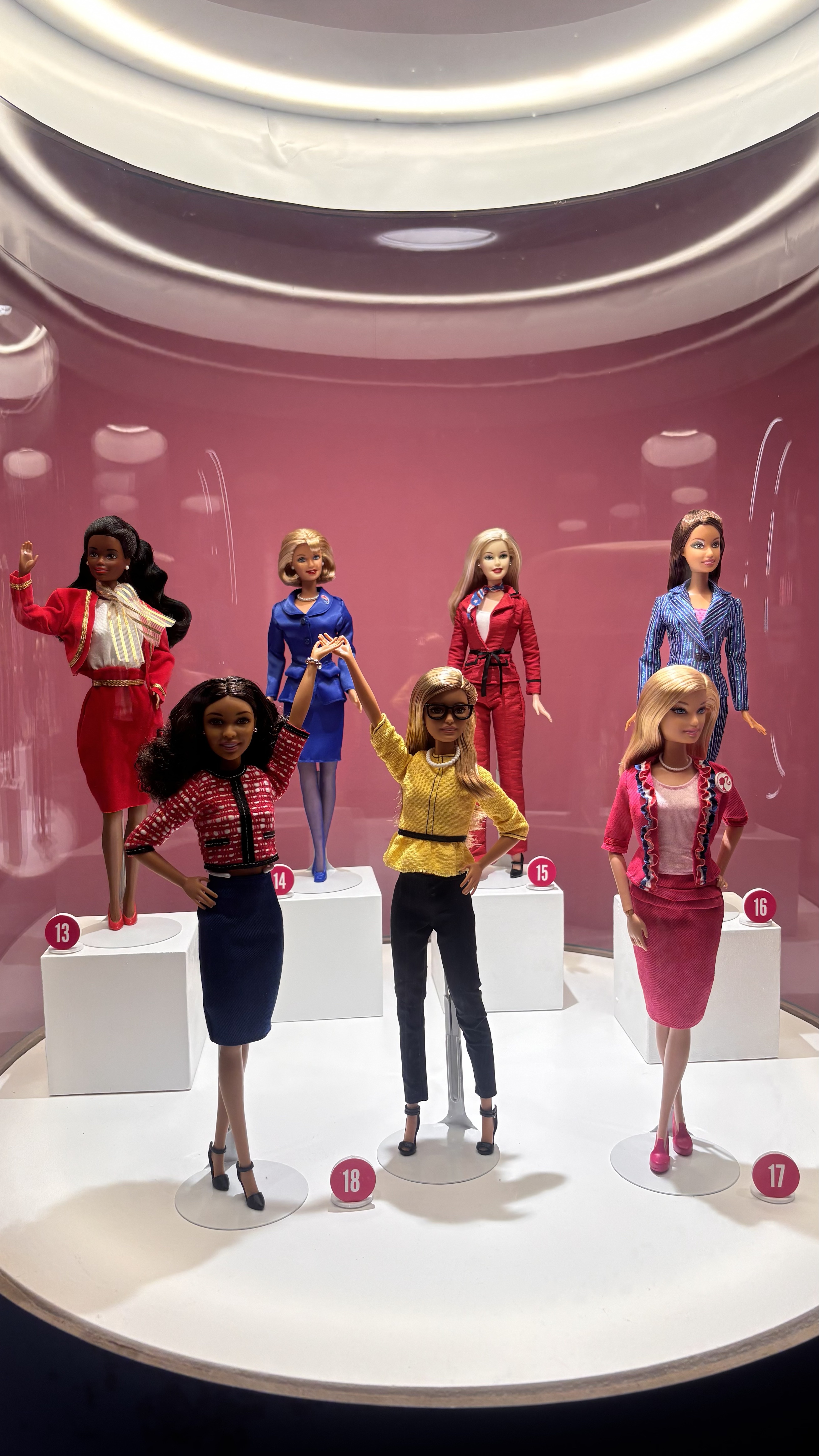
The exhibition doesn’t shy away from Barbie’s social evolution. The Women at Work section charts her many careers, from astronaut to surgeon. It highlights her political ambitions, showing that she has run for president eight times since 1992, including an all-female campaign team set in 2020.
Nearby, a range of dancing dolls demonstrates her mechanical evolution from the 1971 Woodstock-inspired Live Action Barbie with her moving waist, to the 1995 Dance Moves mechanism, through to the 2002 Dance-Flex dolls with soft vinyl joints.
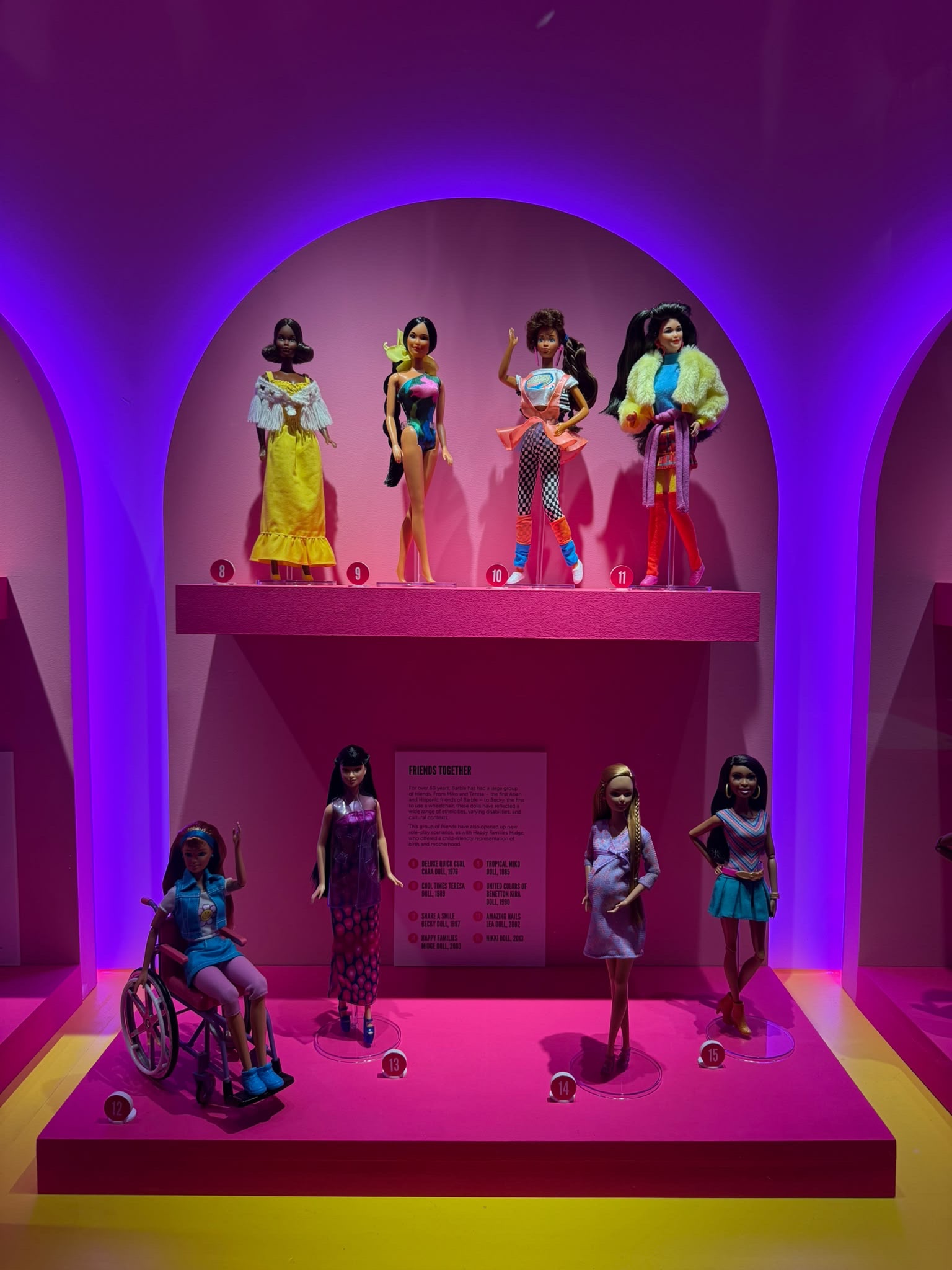
The display also demonstrates the move towards a more feminist, inclusive vision of Barbie, taking in culture, race, gender representation and disability.
But beyond the rare and pristine pieces, the exhibition also highlights something more personal: many of these dolls once belonged to children.
“What I love is that you can see many of the pieces you can see have been played with,” Danielle said. “I think that’s an important part of the story. Fundamentally, it’s a toy for children – doll play is so important for childhood development, language, and social skills.
“To be able to see these pieces, which were played with by real children at different points in time, is something I personally find a lovely thing to remember.”
While critics over the years have argued Barbie promotes harmful beauty standards and consumerism, curators are hopeful that the exhibition will offer a fresh perspective.
 STV News
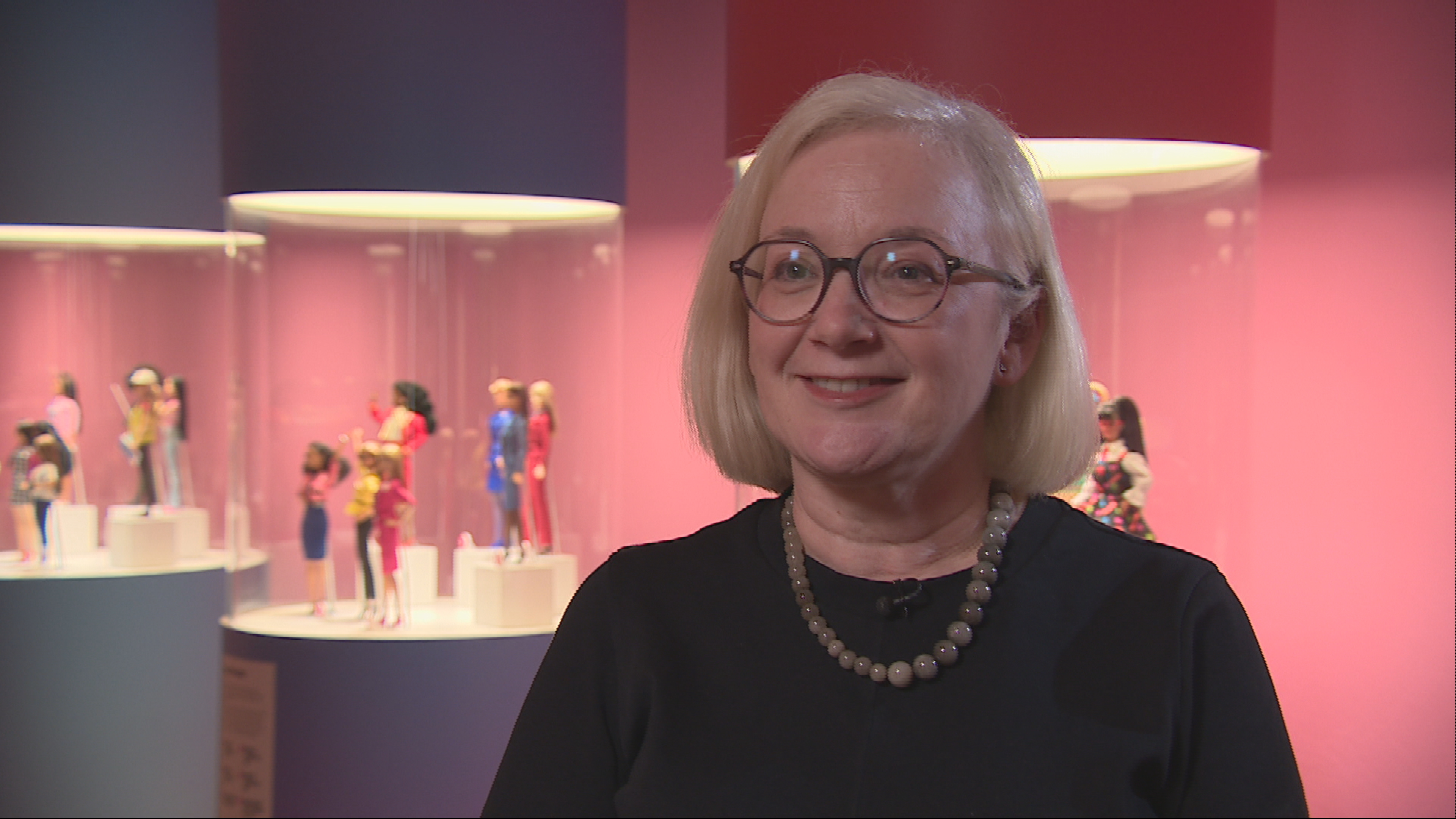
Jane Rowlands, Glasgow Life’s head of museums and collections, says visitors will thoroughly enjoy the trip down memory lane.
“I think people are going to take away a lot of different things. For some people there will be reminiscing, there’s that nostalgic moment of remembering what they played with, the dolls they played with, and that creative play when they were children.
“Other people will take away a new insight into the design process of a new doll. Other people will just enjoy the vibrant colours. There’s so much to learn about here.
“It’s been a labour of love for us, we’re really excited to bring it to Glasgow.”
 STV News
Danielle says the items on display reflect how Barbie has mirrored shifting social attitudes over time.
“Regardless of people’s feelings on Barbie, it’s a design story,” Danielle said. “Whatever your take on the doll itself, there’s something here for you.
“If Barbie itself is not your thing, there’s nonetheless a huge amount of interest – the history of 20th and 21st century design, the relationship between design and popular culture.
“If you look at Barbie over the decades, it’s reflecting our own history and society back at us.”
Barbie: The Exhibition is an exhibition at Kelvingrove Art Gallery and Museum until October 18 2026. Tickets can be purchased from Glasgow Life.
Follow STV News on WhatsApp
Scan the QR code on your mobile device for all the latest news from around the country