 Clark james
Children are “very much at risk” after a spike in dangerous particles caused by a historic Glasgow building fire, an air pollution expert has said.
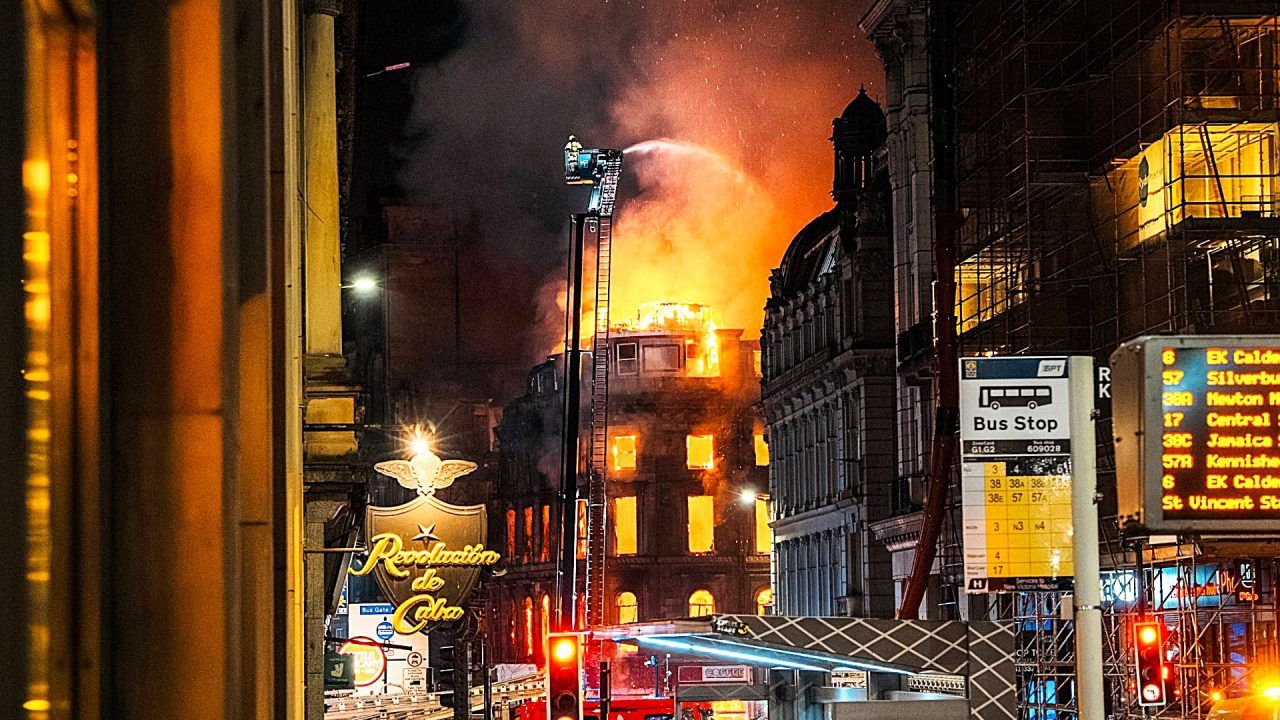
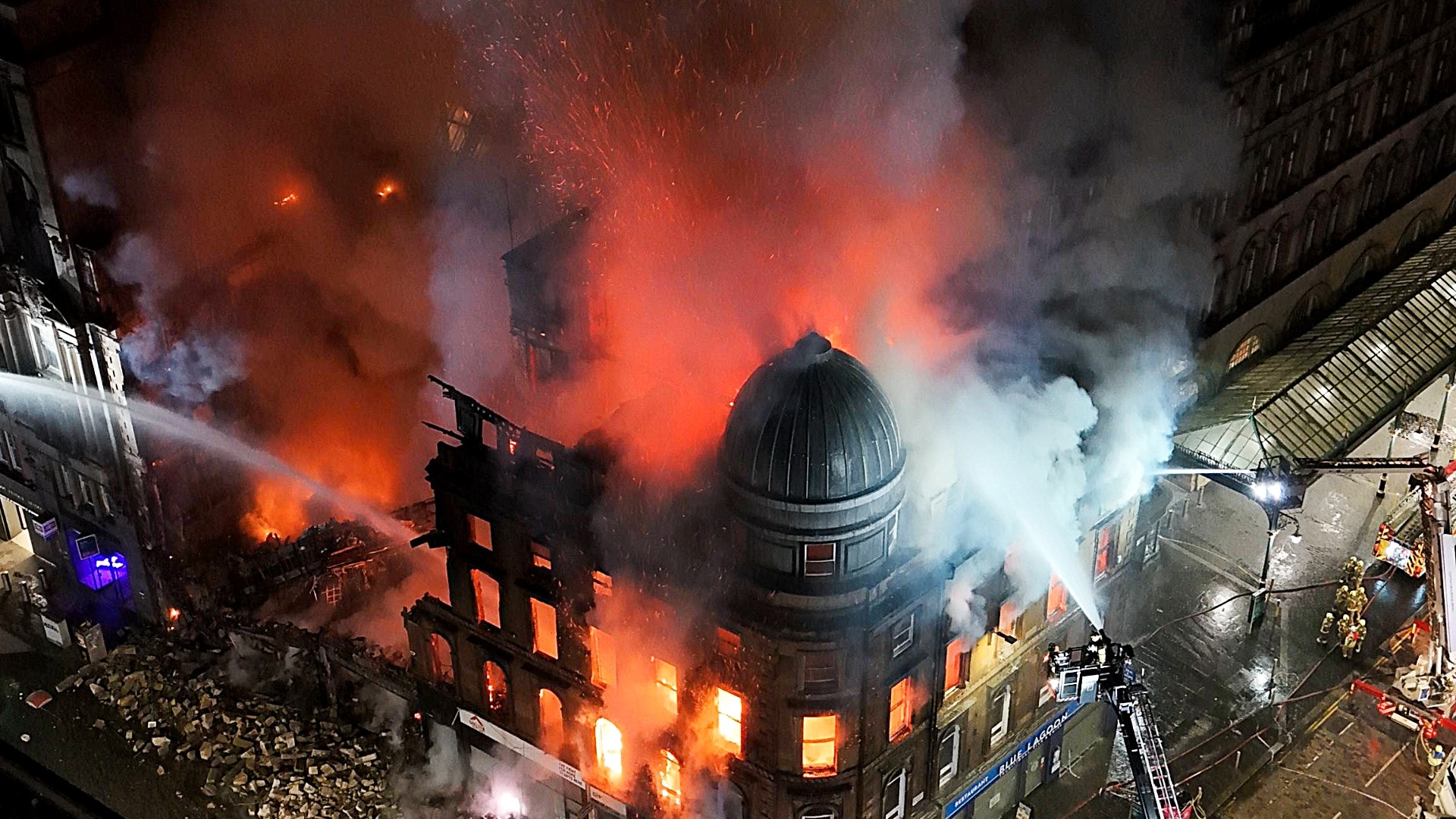
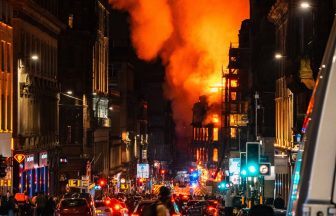
Emergency services were alerted to the blaze, which broke out at a vape shop on Union Street, at around 3.46pm on Sunday.
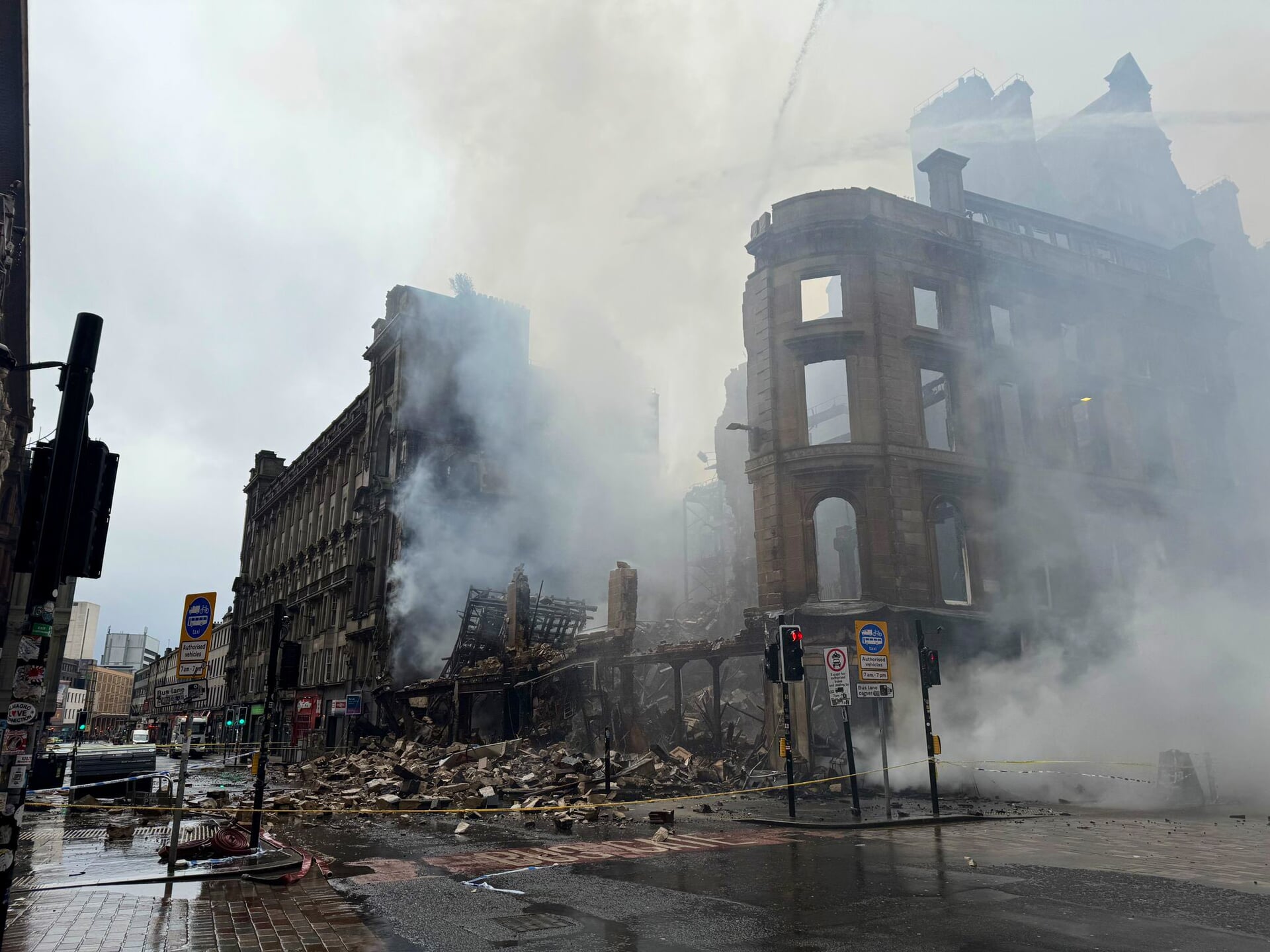
The flames spread throughout the 19th-century block on the corner of Gordon Street, causing “enormous damage” and the loss of the building’s dome.
 Network Rail via Supplied
Data shows a spike in tiny PM2.5 particles in the area during the blaze.
More than 200 firefighters were involved in the incident, with 18 fire engines and a specialist resource deployed to the scene at the height of the blaze.
Four fire engines and two high-reach appliances remained at the scene at 6.30am on Tuesday.
Firefighters continued to pour water onto the shell of the building, from which occasional billows of smoke still rose.
 Vyro Media
Streets in the area remain cordoned off as emergency services continue to deal with the incident.
Professor of vascular medicine at Dundee University Jill Belch said PM2.5 particles are linked to cardiovascular disease, lung disease, asthma, COPD and lung cancer, brain disease such as stroke and dementia.
The particles can “damage growing cells permanently”, meaning children “are very much at risk”.
Professor Belch told STV News: “The issue with building fires is that its not just the PM2.5s that we have to worry about, though that is bad enough, but buildings have plastic, treated wood (anti-fungals often arsenic based), wiring and other building contents – this mixture gives rise not only to PMs but also to volatile organic compounds (VOCs), aromatic hydrocarbons, acid gases for example hydrochloric acid, and toxic metals such as lead. A real cocktail of poisons.
“Depending on the wind, these particles travel far and wide, affecting the homes nearby. VOCs are toxic on their own, but in a city they also combine with traffic NO2 to form ozone, which is also toxic.
“In addition, if the firemen used foam, this contains PFAS – Forever Chemicals – so a burning building produces a very toxic mix of chemicals, and such a large fire as this has affected air quality monitors some distance away in the High St.”
SEPA’s response to major blaze
The Scottish Environment Protection Agency (SEPA) is visiting “air quality sensitive areas” after the incident.
SEPA has confirmed they are part of a multi-agency response to the inferno. Chemical meteorology information has been requested from the Met Office.
Officers have been observing plume behaviour and are visiting nearby air quality sensitive areas such as Glasgow’s Royal Infirmary.
The environmental regulator is “providing technical and scientific advice” to emergency services and other partners in the aftermath of the fire.
A spokesperson for the Scottish Environment Protection Agency (SEPA) said: “Our monitoring of the local air quality monitoring stations in Glasgow have indicated there has been no significant deterioration in air quality recorded.
“We will continue to liaise with all relevant partners and ensure any potential impacts on the environment are minimised as much as possible.”
Follow STV News on WhatsApp
Scan the QR code on your mobile device for all the latest news from around the country