 STV News
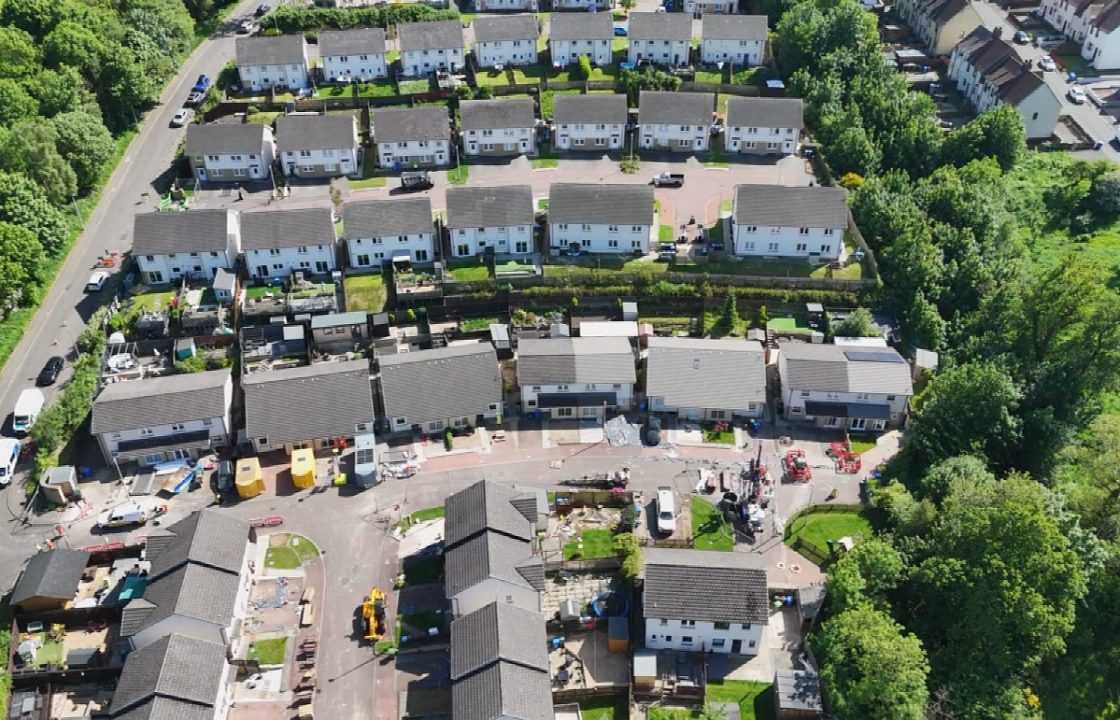
An investigation into the forced evacuation of a Clackmannanshire neighbourhood has highlighted concerns about groundworks carried out before most of the homes were built.
Ninety seven households have been forced to leave Coalsnaughton after ground movements saw slabs buckling, driveways sloping and cracks appearing in some of the homes.
The first residents were evacuated on May 18, with many of them staying in nearby hotels and student accommodation for more than two months.
After confirmation the movements were linked to historic coal mining below the neighbourhood, the Mining Remediation Authority (MRA) released its initial findings on Thursday.
The MRA highlights concerns about treatments undertaken in 2008 to stabilise the ground, prior to many of the homes being built.
In a ten-page report, the organisation revealed some parts of the neighbourhood have subsided by up to 0.6 metres – nearly 2ft – since 2018.
The report said the works appear “to have provided only partial ground treatment” and noted uncertainty over “whether deeper seams were investigated”.
It said other factors, such as shallow landsliding and infrastructure failure, were less likely to have primarily caused the ground movement earlier this year.
The work in 2008 involved engineering firm Forkers Ltd and geo-environmental consultants Mason Evans Partnership.
In a statement, Mason Evans said it “is considering the content of the report carefully”.
A company spokesperson said: “Mason Evans takes its professional obligations extremely seriously. Mason Evans’ role on the project was to supervise the grouting works undertaken by the responsible third party, ensuring they were carried out in accordance with the grouting design, which was also prepared by a third party.
“We are committed to understanding the facts of this matter and cooperating fully with clients,
regulators, insurers and other relevant parties.
“Where concerns arise, we seek to work constructively with customers and relevant stakeholders to
understand the issue and support appropriate remedial actions where required.
“Ground conditions are often complex and must be considered in the context of the information
available at the time the work was undertaken, the agreed scope of services and any subsequent
changes in site conditions.
“As this matter may involve ongoing reviews, legal processes or third parties, it would not be
appropriate to comment further.”
Forkers Ltd has also been contacted for comment.
Asked whether mistakes were made by Clackmannanshire Council during the planning process, the current local authority leader Ellen Forson said there was “absolutely no evidence” of that.
She said: “The planning process shows that all due diligence was done.
“All the steps taken were signed off by the coal authority and the planning authority as we moved through the process.”
The MRA’s finding that the incident was linked to historic coal mining means affected residents are protected by law.
The UK Government will now cover associated costs, which could include paying for house repairs or the price of the property if it is deemed unfixable.
Michael Shanks MP, who visited the site on Monday on behalf of the Labour Government, told STV News: “I would say there are lessons to learn from all of these situations.
“Of course we’ll look at that but I don’t think this is about blame necessarily, it is about providing the support for people right now as quickly as possible.”
Clackmannanshire Council chief executive, Nikki Bridle, said: “We do not underestimate the ongoing impact on residents or the considerable work that remains ahead.
“We recognise the considerable disruption, uncertainty and distress they have experienced since being required to leave their homes, and we remain committed to supporting them throughout the next phase of this process.”
Carl Branton, of the Mining Remediation Authority, said: “The safety and welfare of residents remain the priority for every partner involved in the response. We are working closely with Clackmannanshire Council and the Local Resilience Partnership to make sure that support remains in place and that everyone has a clear point of contact.”
The Scottish Government, which previously committed £1m to support Clackmannanshire Council in its initial response, said it would continue to participate in the resilience and recovery operation.
Follow STV News on WhatsApp
Scan the QR code on your mobile device for all the latest news from around the country