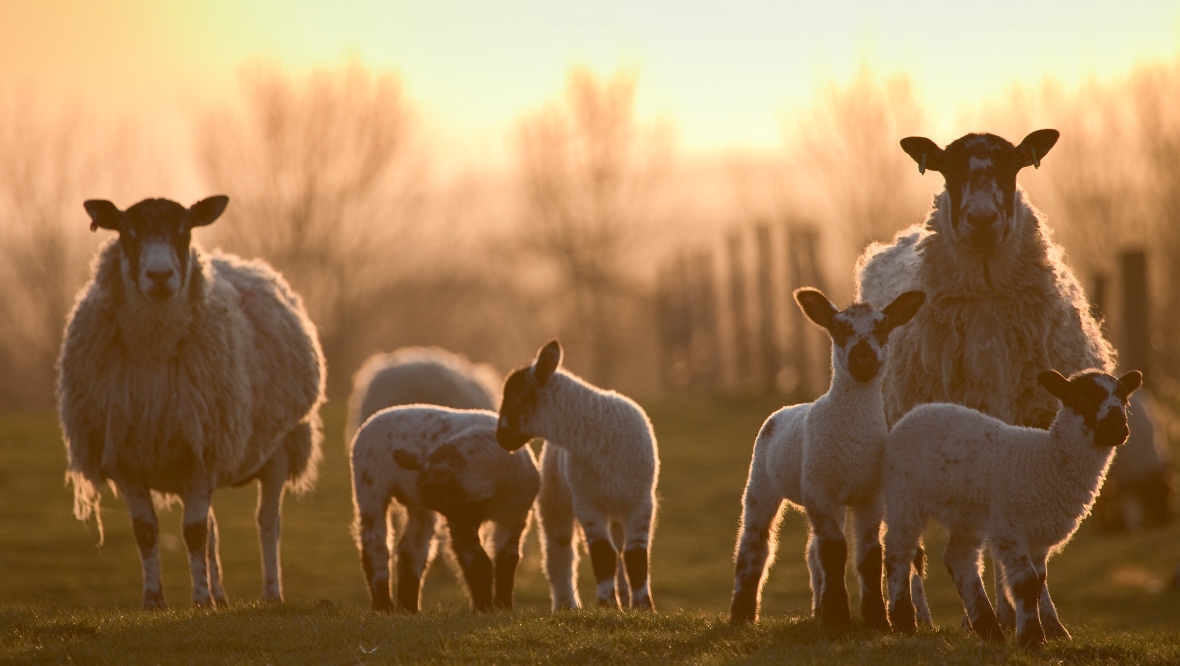
A farming family in Dumfries and Galloway have confirmed one of their lambs had the first recorded case of the bluetongue virus in Scotland.
The potentially deadly disease, BTV-3, or bluetongue, was confirmed at Kirkmabreck farm near Creetown on August 8.
The Scottish Government said the animal has been euthanised on welfare grounds, and the farm affected is under restrictions.
The animal was tested following reports of suspicious clinical signs, and epidemiological investigations are ongoing to establish the likely source of infection.
There have been 289 cases of bluetongue serotype 3 (BTV-3) in the UK in the 2026 to 2027 bluetongue season.
283 of those are in England, with most in the south-west of the country.
The Johnson family – who run the farm – confirmed on Facebook that the lamb was penned away from the rest of the flock when it became unwell.
The post said: “During the visit the vet noticed ulceration inside her mouth and we all agreed that even though the closest reported case of Bluetongue was a long distance from us, the sensible and responsible thing to do was to report it as a possibility.”
They also said all their stock had been moved indoors to minimise the risk of it spreading.
They added: “I just want to clarify that all the stock we have was purchased locally, within 20 miles of where we live.
“Nothing came up with us from England apart from dogs and of course our children!”
The bluetongue virus primarily affects sheep, cattle and goats and is mainly spread through insects.
Signs of the virus include nasal discharge, redness and swelling of the lips, nose and muzzle, lameness or reluctance to stand, decreased milk production and diarrhoea in cattle.
It does not affect people or food safety.
Scotland’s chief veterinary officer Sheila Voas said: “At this stage it is not possible to know if bluetongue is circulating in Scotland, or whether this is an individual case.
“The farm is under restriction while investigations, including testing other susceptible animals, are ongoing.
“Vaccination remains the best way of preventing disease in animals, and I encourage all farmers to discuss this with their vets.”
BTV-3 is notifiable and any suspicion of disease in animals must be reported to Animal and Plant Health Agency Scotland.
Follow STV News on WhatsApp
Scan the QR code on your mobile device for all the latest news from around the country