 PA Media
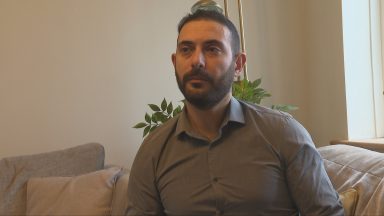
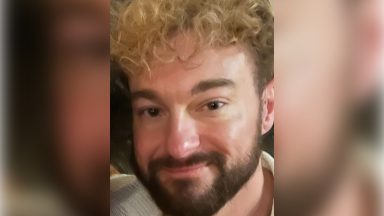
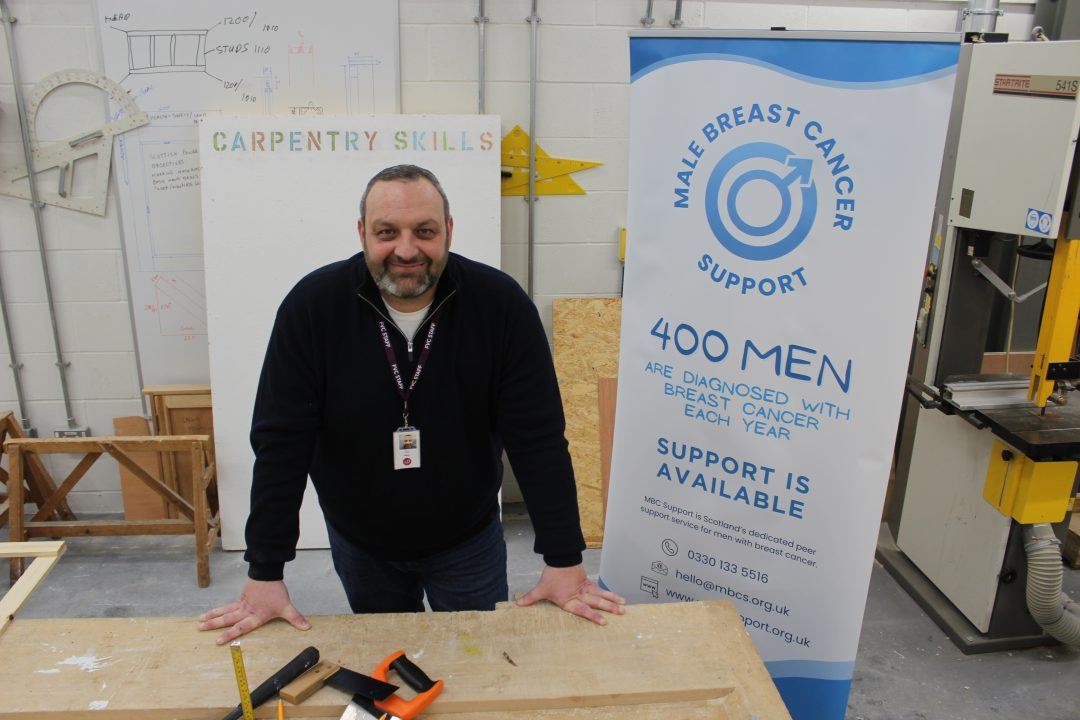
A former joiner has set up a support service for men diagnosed with breast cancer after his own diagnosis.
Paul Steele, 44, was diagnosed with breast cancer at the Beatson Breast Cancer Clinic in Gartnavel Hospital, Glasgow, in March 2025 after ignoring symptoms for nine months.
In the summer of 2024, Mr Steele, from Springboig, Glasgow, noticed a lump on the left-hand side of his chest, and his nipple started to change shape and crack.
Treating the irritation with Sudocrem, he did not think about the possibility it could be cancer.
After a mastectomy on his left side in April 2025, 16 weeks of chemotherapy, 15 sessions of radiotherapy and the start of anti-cancer drugs, which he has to take for the next five years, Mr Steele is now in remission.
He said: “I remember the consultant sitting down next to me, putting her hand on my knee to comfort me and saying ‘Paul, you have breast cancer’ and I said… but guys don’t get breast cancer.
“Then the biopsy and a hastily arranged CT scan confirmed it was stage three breast cancer.
“Fortunately, it hadn’t spread throughout my body, and only three or four of my lymph nodes were affected.
“I was very, very lucky, and if I had left it any longer before going to my GP with the symptoms, it all could have been so much different.
“Like a lot of men, I just got on with things and ignored important symptoms when I should have got checked out.
“I hadn’t been to see my GP for about 15 years.
“I eventually took the advice of my partner Catey and my stepdaughter Carson and went to see her.
“She seemed to know instantly that something was wrong when I took my top off, and she referred me for tests immediately, and that led to confirmation of male breast cancer.”
Only 1% of the 57,000-59,000 people diagnosed with breast cancer each year in the UK are men.
The Forth Valley College work-based assessor said that while he had a strong support system with his family around him during treatment, he found that when searching for breast cancer support groups there were not any that were for men who were diagnosed with the illness.
Mr Steele decided to set up Male Breast Cancer Support, a voluntary service in Scotland initially, to offer emotional support and counselling to men who need advice after diagnosis.
He said: “Understandably, most of the support for breast cancer sufferers is geared towards women.
“There are very few places for men to go to find advice and help on this area.
“The Maggie’s charity were great with me and I attended a few sessions, but even though I was OK with being the only man attending, I didn’t want the women there to be impacted, or to feel uncomfortable with me being there.
“That was why from early on in this journey – and with great encouragement of my partner Catey – I have been determined that if and when I came out the other side, I would like to offer as much support as I can to other men in the same situation – around 400 men in the UK are diagnosed with breast cancer each year – and that is why I have set up this new service.”
After leaving school, Mr Steele became an apprentice joiner and worked for several large building firms.
He started as a work-based assessor at Forth Valley College in 2022.
Mr Steele said the college has been supportive during his cancer diagnosis, adding: “Everyone at the college has been brilliant with me from the moment they discovered I had cancer.
“My colleagues in the Department of Apprenticeships, Skills and Commercial, my line manager, Billy Grierson and head of department, Zak Stark, the HR Department and the senior management were great.”
Consultant clinical oncologist Dr Rosemary Stevens, breast cancer team lead at the Beatson West of Scotland Cancer Centre, said: “It is a common misconception that men can’t get breast cancer, or that it is a woman-only disease.
“Men have breast tissue too, and, although it is far rarer than in women, they can also develop breast cancer.
“It is because it is so rare that male breast cancer can be a lonely or isolating experience, and it’s encouraging to see this patient using his own experience to help others.
“We would encourage men, as well as women, to be aware of the symptoms of breast cancer and to visit their GP if they notice changes or have any concerns.
“Common symptoms include lumps or swelling in the chest, breast or armpit, changes in the size or shape of the chest or breast, sores or ulcers on the chest or breast, or changes to or liquid leaking from the nipple.
“When it comes to outcomes, stage for stage, there is no disadvantage for men who have breast cancer when compared to women.
“However, in all cases, early diagnosis is vital to improving outcomes for patients, so it is important for people to get checked as soon as they notice changes.”
Follow STV News on WhatsApp
Scan the QR code on your mobile device for all the latest news from around the country