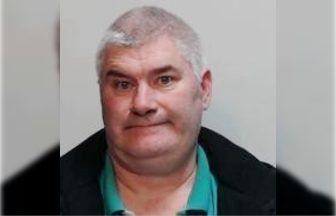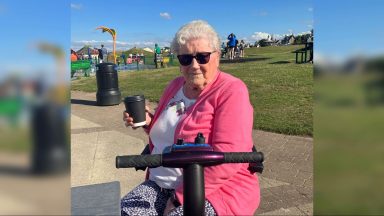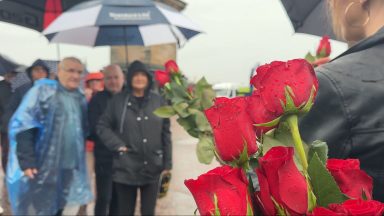
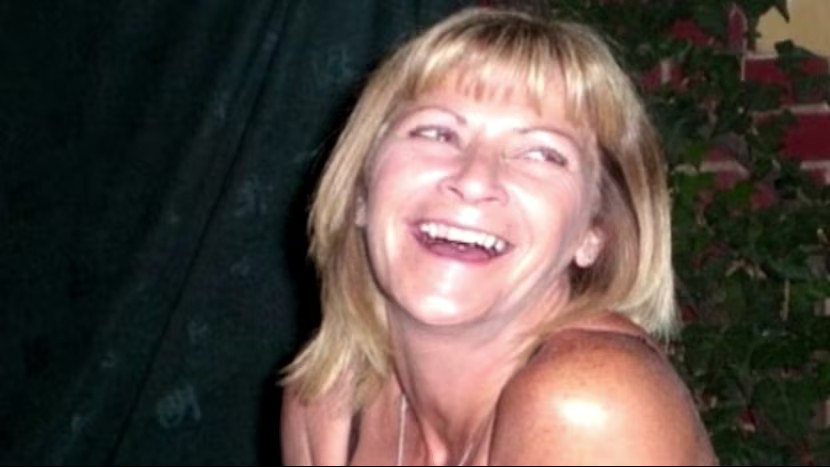
A man in his 50s has been sentenced to ten years in prison for murdering a Scottish woman on a Greek island 17 years ago.
The body of 53-year-old Jean Hanlon, from Dumfries, was recovered from the water at Heraklion harbour in Crete in March 2009.
Authorities on the island initially ruled her death an accidental drowning, but her family suspected foul play and called for the investigation to be reopened.
Following years of campaigning, Greek authorities agreed to reopen the case in 2024 and arrested a man in his 50s the following year in connection with her death.
The Greek man who has been convicted cannot be named under the country’s laws.
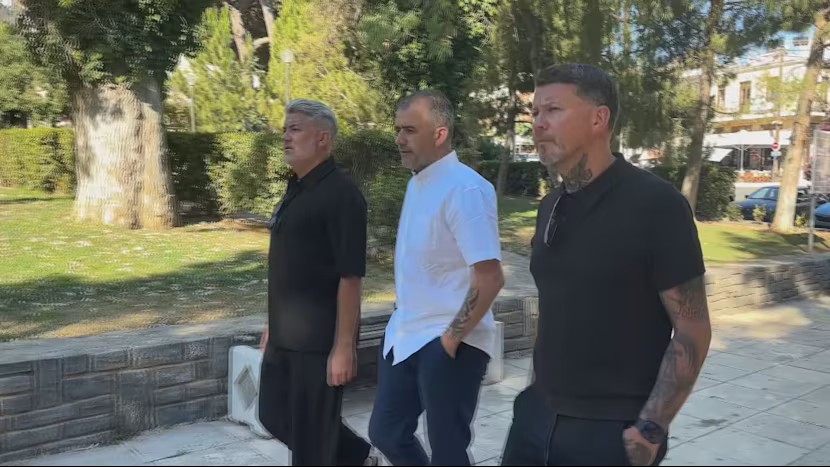 ITV
ITVThe man, who was known to Jean, was charged with ‘murder with intent in a calm mental state’ and went on trial on June 30, 2026. He repeatedly denied causing her death.
The court recognised the defendant’s diminished responsibility, under Article 36 of the Greek criminal code, due to his mental health. This means he will be given a reduced sentence.
Delivering the verdict, the Head Judge said: “The court declares him unanimously guilty.”
Evidence suggests Jean went to Heraklion with a man and had drinks at a bar near the harbour on the night she was killed.
Text messages sent from her phone to friends implied she did not want to stay at the marina with the man, but did not indicate she was in fear for her life.
She asked her friends to join them, but they failed to respond. One of her text messages read: “Help”.
The Public Prosecutor said in her closing statement that when Jean died, a “proper investigation” was not initially carried out by the authorities.
 ITV
ITVShe said: “Jean went with a man to the marina café, where it appears she was not enjoying herself. She was constantly on the phone and called her friends to make their way there and join her.
“The person that has made their way with Jean to Heraklion, from the case file and the evidence provided in the trial, and mostly from the defendant’s testimony in front of us, I think it is obvious that the man is the accused.
“The defendant having felt rejection and seeing her talk to others became angry. He stopped taking his medication and for me, he is the only one that at the time had any motive to do it.”
The family lawyer, Apostolos Xiritakis, said in his closing argument: “a journal is a mirror of a person’s soul.”
He added: “We have one and only one person obsessively following her. In her diary we have no mention of anyone else.
“In [the defendant’s] sister’s testimony, she told us that when he doesn’t take his medication he becomes violent.
“She also said his medication made him impotent, yet he tells us he had relations with Jean many times.
“His testimony was full of contradictions. He tried to play down the relationship, saying they knew each other for just a few days but that is not true.”
In his closing statement, the defendant’s lawyer, George Athanatos, said: “I do not think there is the evidence here to lead the court to judge that the defendant murdered her.
“You need to have inductive reasoning to say he killed her. So I consider that your court has no cast iron proof to convict the defendant.”
Jean’s three sons gave evidence at the start of the trial on Tuesday (June 30), describing how close they were to their mother.
They also referred to a diary their mum kept, in which the accused was named.
In it, Jean claims the man would not leave her alone and would continually pursue a relationship she did not wish to continue.
The defendant’s sister took the stand on Wednesday (July 1) and spoke about his poor mental health.
She said he had been prescribed medication from a young age and said if he didn’t take it, he would “become aggressive” and would have “no memory of his actions”.
Throughout the trial, the defendant has denied any involvement in Jean’s death and, when asked about his relationship with her, he said they had only met a handful of times.
However, when the judge referred to Jean’s diary, which contained entries suggesting they had known each other for several months, he accepted those diary entries were referring to him.
Since Jean’s death, her family have maintained the belief that the evidence did not point to an accident.
Her three sons argued that injuries sustained by Jean before her death warranted further examination and that important questions remained about her final hours.
For nearly 20 years, the family travelled repeatedly to Greece, hired a private investigator and sought independent reviews of the evidence.
Fresh analysis was carried out, including looking at Jean’s personal diary, re-examining the findings of the autopsy and revising witness testimonies.
This evidence was presented to the authorities, which led to them reopening Jean’s case.
Follow STV News on WhatsApp
Scan the QR code on your mobile device for all the latest news from around the country