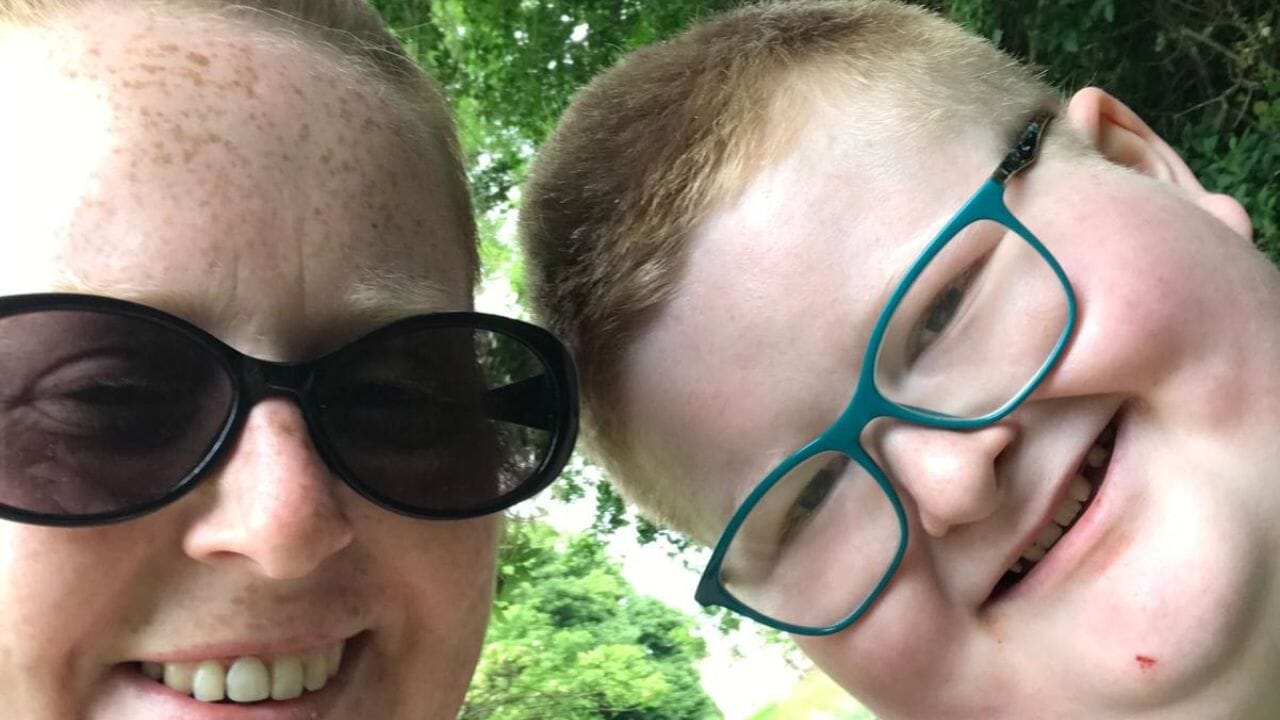
“Ryan was my life. Every day when you wake up, you forget for a split second. Then it hits. Then you walk by his bedroom, and he’s not there.”
Four years on, Sarah Rowantree still questions what happened in the final weeks of her son Ryan McLaughlin’s life.
The 13-year-old, who had Prader-Willi syndrome, died at the Royal Hospital for Children on February 16, 2022, three weeks after being admitted with respiratory failure and a fever.
Sarah, from Cambuslang, is now calling for promises made after investigations into his death to lead to real, lasting change after NHS probes found gaps in Ryan’s care that should not have happened.
“We were told the investigation will take a maximum of nine months because Ryan was a complex case. Yes, he was a complex wee boy.
“But why did it have to take so long?”
 STV News
A Significant Adverse Event Review (SAER) and a Child Death Review were carried out by NHS Greater Glasgow and Clyde.
A separate review was carried out by NHS Lanarkshire into Ryan’s care by CAMHS. Four years on, his family finally has an acknowledgement that there were delays in the teenager’s treatment.
“Four years on, I’ve had all the answers I’m going to get from them. It’s now time to say ‘no other child should have to go through what my wee boy went through.’”
Prader-Willi Syndrome is a rare genetic condition that causes a wide range of physical symptoms, learning difficulties and behavioural challenges.
People with the disorder have a high pain threshold and difficulty maintaining a proper body temperature which can result in a lack of warning signs in a medical emergency.
 STV News
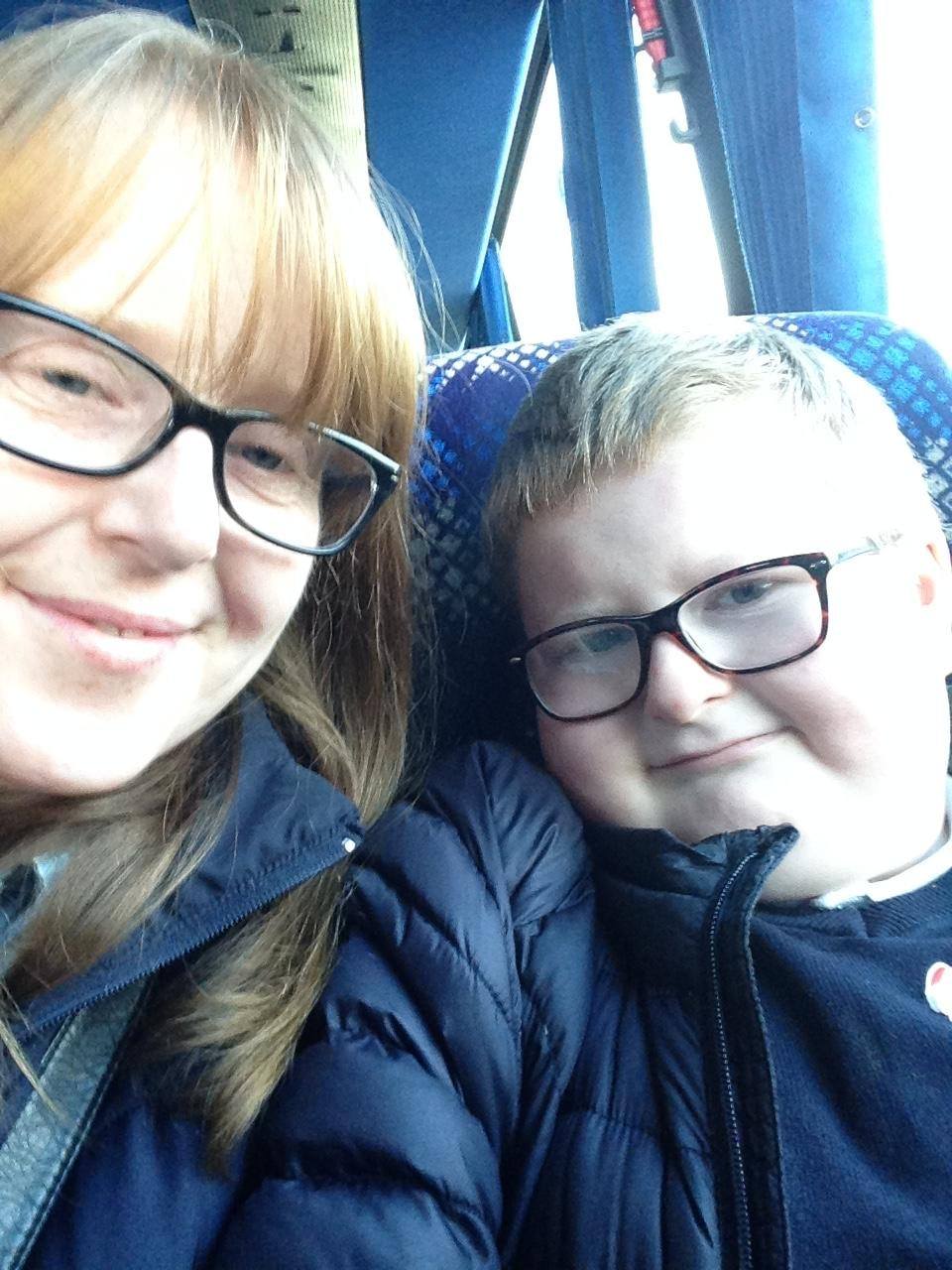
Life from the moment of Ryan’s diagnosis was “a rollercoaster” and at times, Sarah felt no-one was listening to her pleas for specialist help.
Now she say she’s determined Ryan’s voice will still be heard.
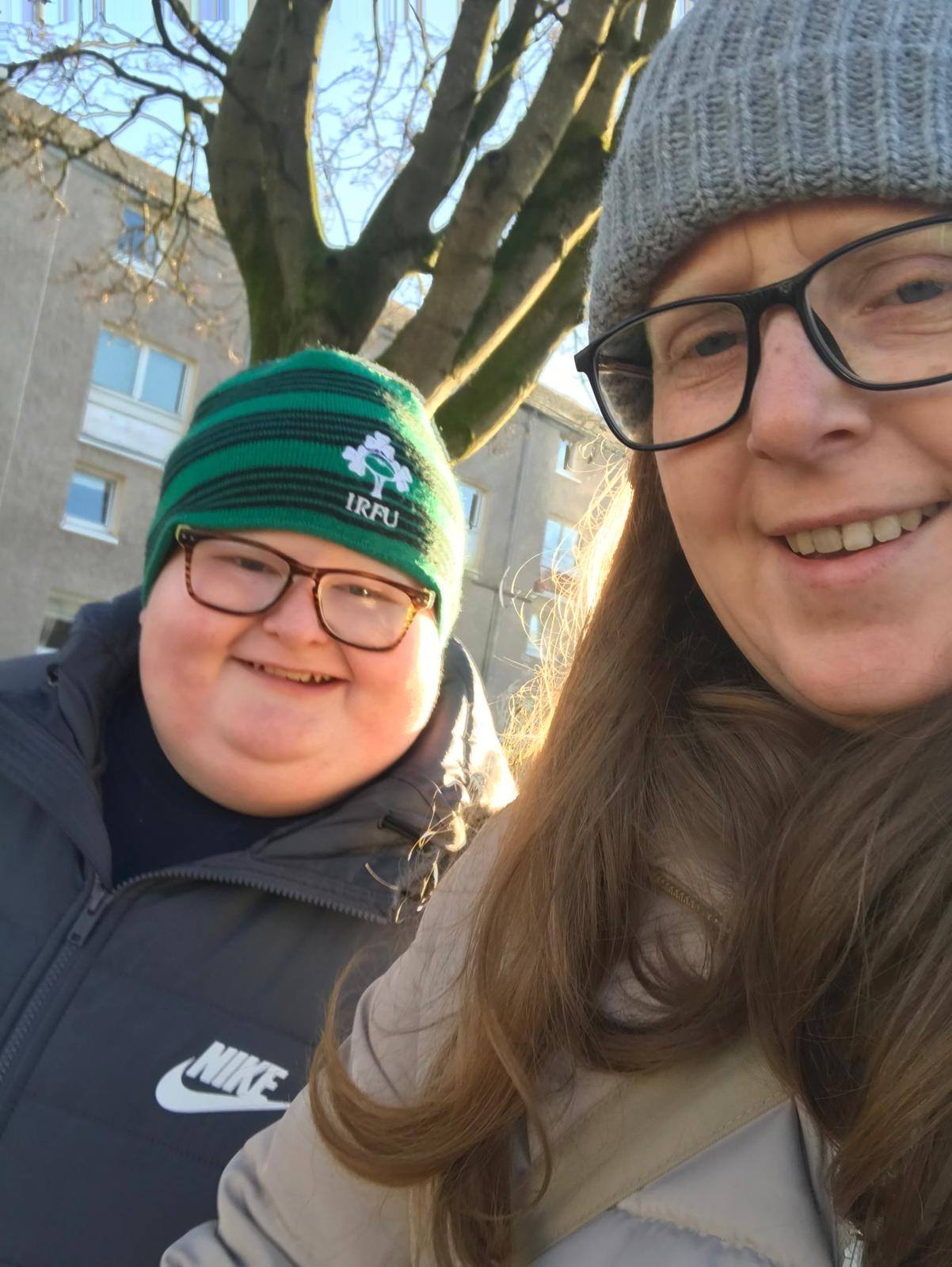
“From the second he opened his eyes to the minute he closed them at night, Ryan was my shadow. I think for me, going through the last four years where I’ve not got him, I am lost. Life is so different now. It’s so quiet.”
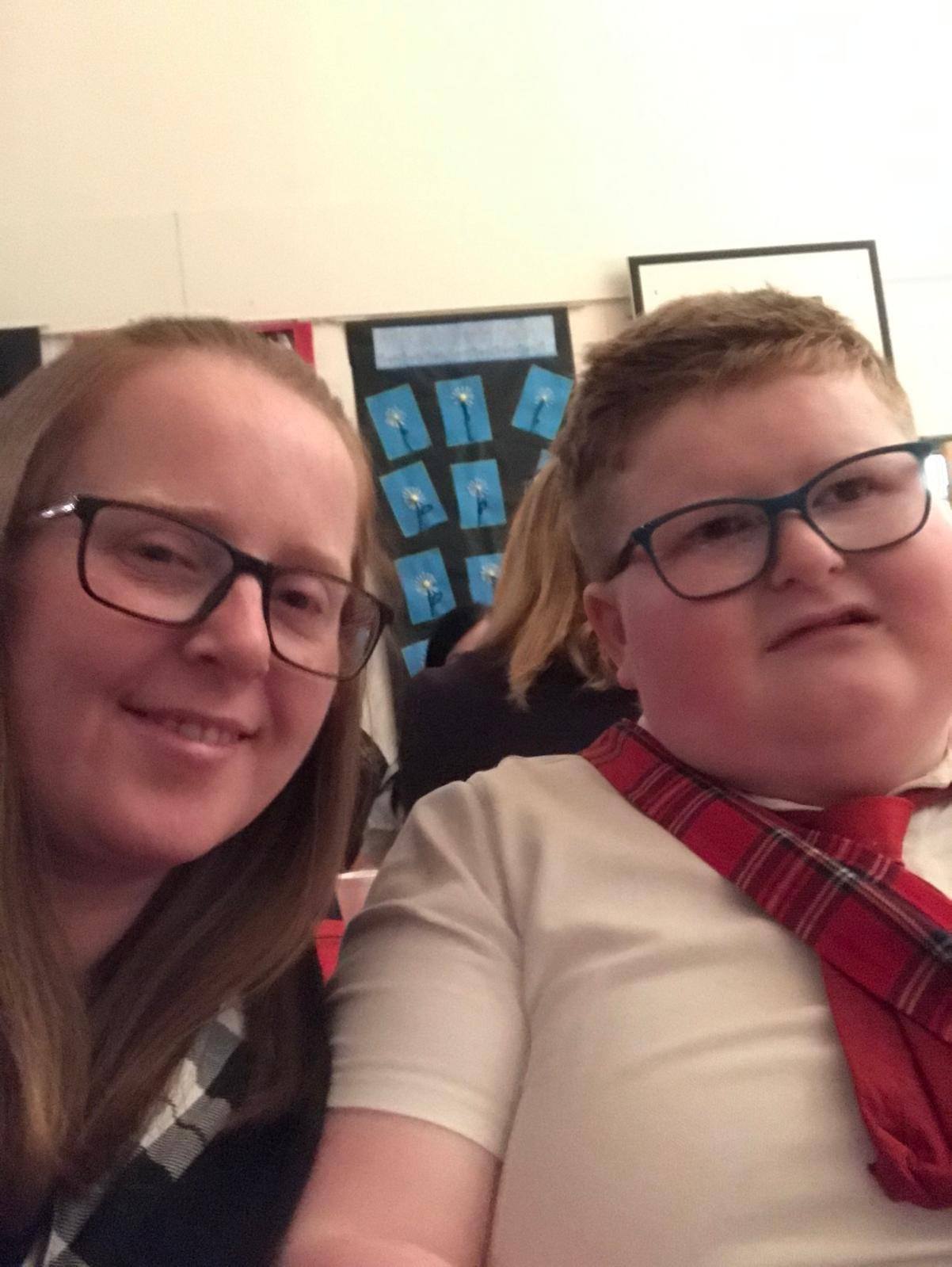
To celebrate the 13-year-old’s life, the family held what they called his final assembly.
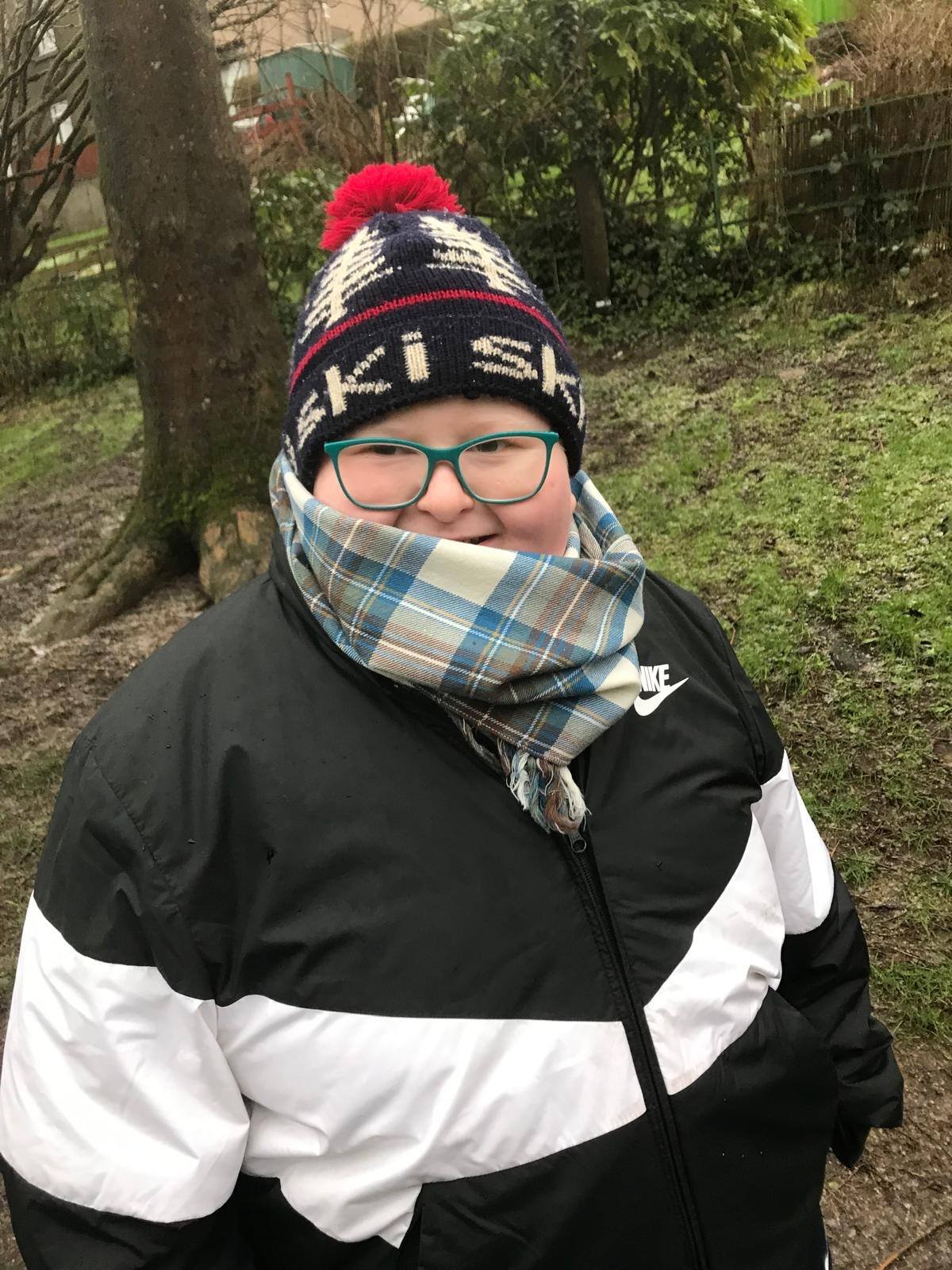
Ryan loved school. Timetables at home also helped manage his complex needs. A feature of Prader-Willi syndrome is an insatiable appetite. Food had to be locked away to stop overeating.
Another challenging behaviour with this condition is skin picking. In Ryan’s case led to severely infected sores.
“Any parent of a child with Prada Willis syndrome will understand that the skin picking is horrendous,” Sarah said. “There is nothing worse than watching your child pick holes in themselves. It actually looked like melted plastic on Ryan’s legs because he was just picking.
“We did have nurses coming out every couple of days, and they didn’t even pick up on how serious Ryan’s illness actually was.
“Again, that comes down to Prader-Willi syndrome not being very well known, and I don’t mean just with the general public, I’m speaking about hospitals, doctors, clinics.”
Sarah says she repeatedly asked for Ryan to be seen by the children’s mental health team, known as CAMHS, to help manage his symptoms. After months, it took an emergency on Christmas Eve in 2021 to finally get a video call with the service.
Sarah believed the delays in care meant Ryan’s condition and anxiety worsened significantly before he received the prescription of antidepressants he needed.
“Within five minutes of seeing Ryan, they said, ‘This boy needs to be medicated.’ Within three weeks, he stopped picking his legs – he was a different boy. But the damage was already done.”
 STV News
Within weeks of the CAMHS call, Ryan was admitted to Glasgow’s Royal Hospital for Children with respiratory failure and a fever. He died 20 days later.
A SAER into Ryan’s death was commissioned in June 2022. But it wasn’t until April 2024 that the findings were handed over to his family.
They then met with officials the following year to discuss the events that led to Ryan’s death and steps to improve care.
Among the recommendations in the report were new hospital guidelines to manage child bariatric patients, like Ryan, in the pediatric ICU.
For Sarah, it confirmed many of the concerns she says she raised at the time.
She says she is still haunted by what happened in the hours leading up to Ryan’s death.
“I phoned and was told he was settled, that everything was okay. The next morning, I got a call saying: ‘I don’t know what’s happened, but you need to get here.’
“I later found out Ryan had started dying at 4am. I didn’t get that time with him – I’ll never get that back.”
The review noted urgent medical care was prioritised over communicating with Ryan’s family when his condition deteriorated. It was recognised this caused “significant psychological impact” on the teen’s relatives and an area to be improved upon.
It also highlighted the challenges clinicians faced, noting Ryan was the heaviest child admitted to the unit.
A shortage of staff meant delays in moving him and in more aggressive attempts to reduce his dangerously high temperature, it found a cooling blanket had been used incorrectly.
Sarah says she later learned her son had been left in a broken bed for hours.
“Instead of getting him into a bed with a cooling blanket to bring his core temperature down, they left him lying there in the broken one while he was dying. I honestly feel disgusted.”
The Prader-Willi Syndrome Association UK said Ryan’s death highlights the need for greater awareness of the condition, which requires specialist, coordinated care.
Chief executive Jackie Lodge said the community is “devastated” by Ryan’s death and they stand with his family in their grief.
 STV News
They said: “Prader-Willi syndrome (PWS) is a rare, complex genetic condition which presents a unique set of risk factors, requiring specialist understanding and coordinated care from multiple disciplines.
“With the right care and support, people with PWS can live much longer and healthier lives. Tragically, however, people with PWS are still dying earlier than they should be. This has to change.
“Much greater awareness and understanding of PWS is vital to ensure people living with the condition receive safe and appropriate care. We welcome ongoing efforts to strengthen care pathways and services for people with PWS and other rare conditions.”
Both NHS boards involved say they are committed to learning lessons and are implementing action plans to increase training and education around Prader-Willi Syndrome.
NHS Greater Glasgow and Clyde apologised for the length of time it took to complete its reviews and said changes have been made to improve how incidents are investigated and how families are kept informed.
It also said steps are being taken to improve training on Prader-Willi syndrome and to strengthen referral pathways to mental health services.
A spokesperson said: “In 2025, we adopted a new approach to SAERs, which categorises adverse event reviews by scale, scope, complexity and learning opportunities.
“This is allowing us to make significant progress in responding more efficiently to incidents to help ensure patients and families are informed as early as possible.
“We want to reassure Ryan’s family that we are committed to learning from his death, and to improving support for all children and families affected by PWS.”
 STV News
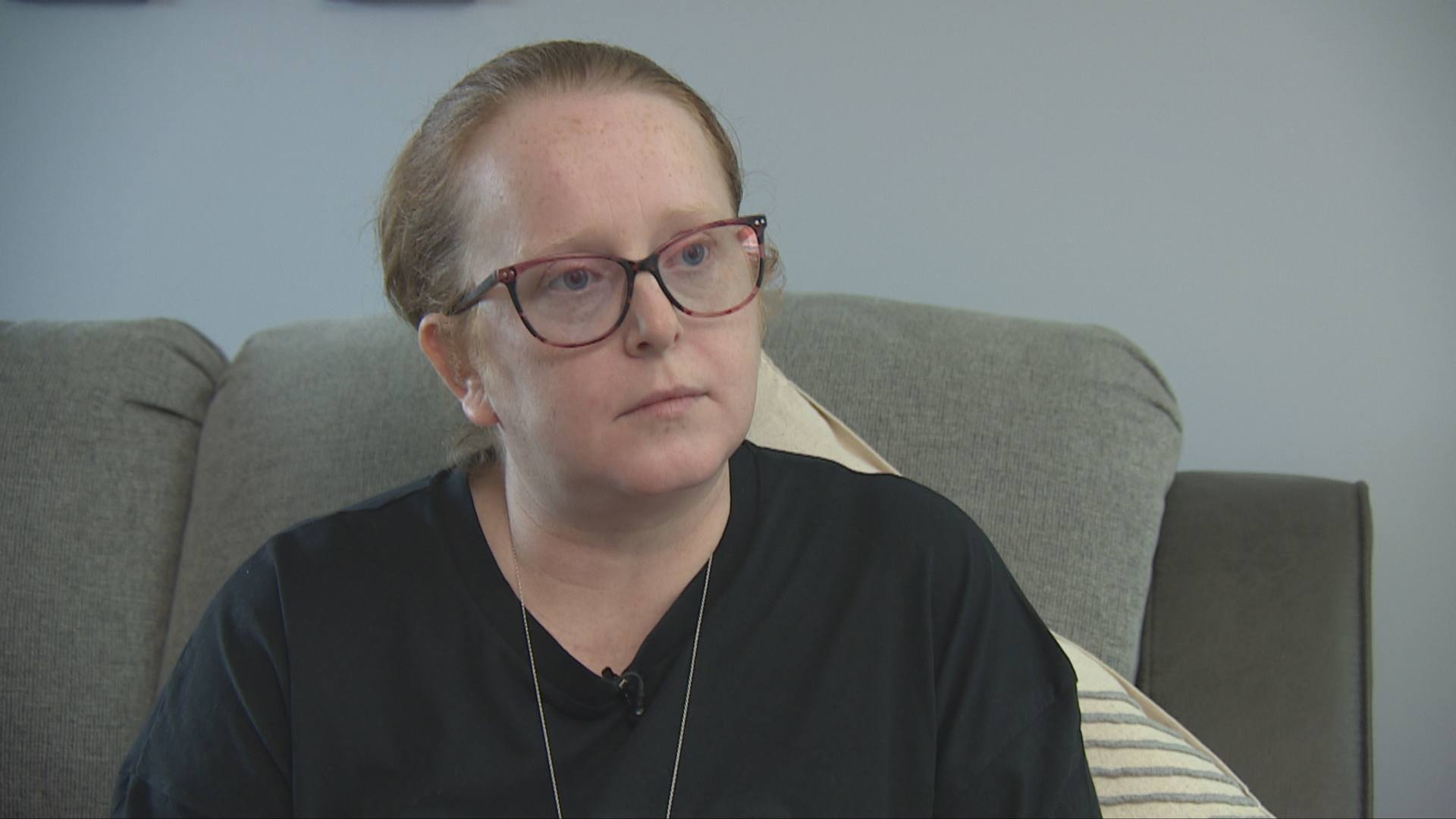
NHS Lanarkshire said it was “sincerely sorry” for gaps in Ryan’s care that “should not have happened” and that a lack of coordination and communication between its two separate services for CAMHS and learning disability contributed to delays.
Claire Rae, chief officer University Health and Social Care North Lanarkshire, said: “As a result of the learning from this case we have implemented and are progressing an action plan that aims to address the challenges that Ryan and his family had when navigating our system and prevent delays happening to any other patient.”
Sarah says she has little faith in the delivery of these promises.
“I don’t have any confidence. Actions speak so much louder than words. Show me what you are doing, not just writing it on a bit of paper.”
She also believes greater public and clinical awareness of Prader-Willi syndrome is vital, so people understand the condition and see the child beyond it.
For Sarah, the fight for accountability continues.
“Ryan’s not here to tell his story, so I will. I’ll always be his voice.
“If speaking out helps even one family, then Ryan’s life – and his death – won’t be in vain. I just don’t want another family to go through this.”
Follow STV News on WhatsApp
Scan the QR code on your mobile device for all the latest news from around the country