Full body scans designed to spot underlying medical problems risk piling further pressure on the NHS, experts have warned.
The so-called private health MOTs can be made up of blood tests, ultrasounds, X-rays and MRIs – with a price tag running into the thousands of pounds.
The surge in full-body scans is largely fuelled by social media – ranging from high-end influencers to everyday TikTokers – who often promote the screenings as a tool for “taking control” of your health.
While providers say proactive testing enables earlier diagnosis and faster treatment, critics warn it can lead to unnecessary follow-up care for harmless findings and increased patient anxiety.
‘It’s an investment in my health’
 STV News
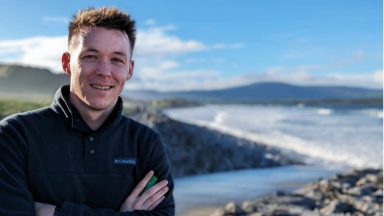
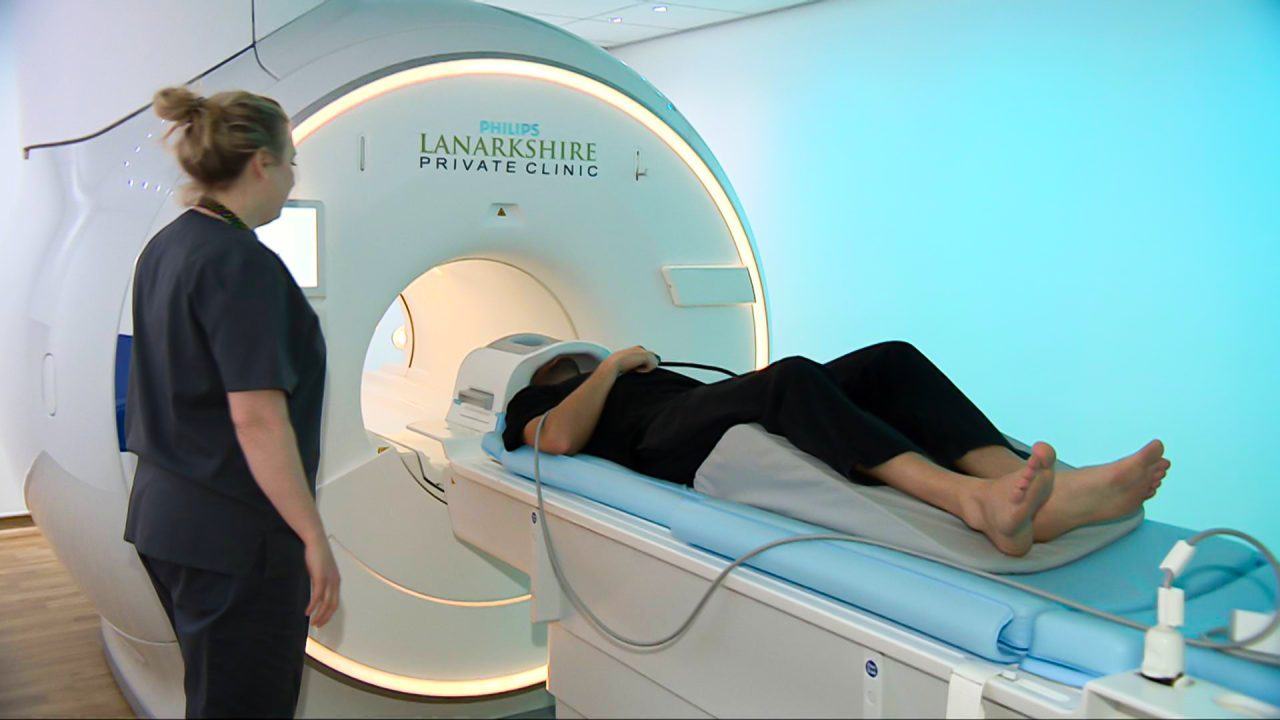
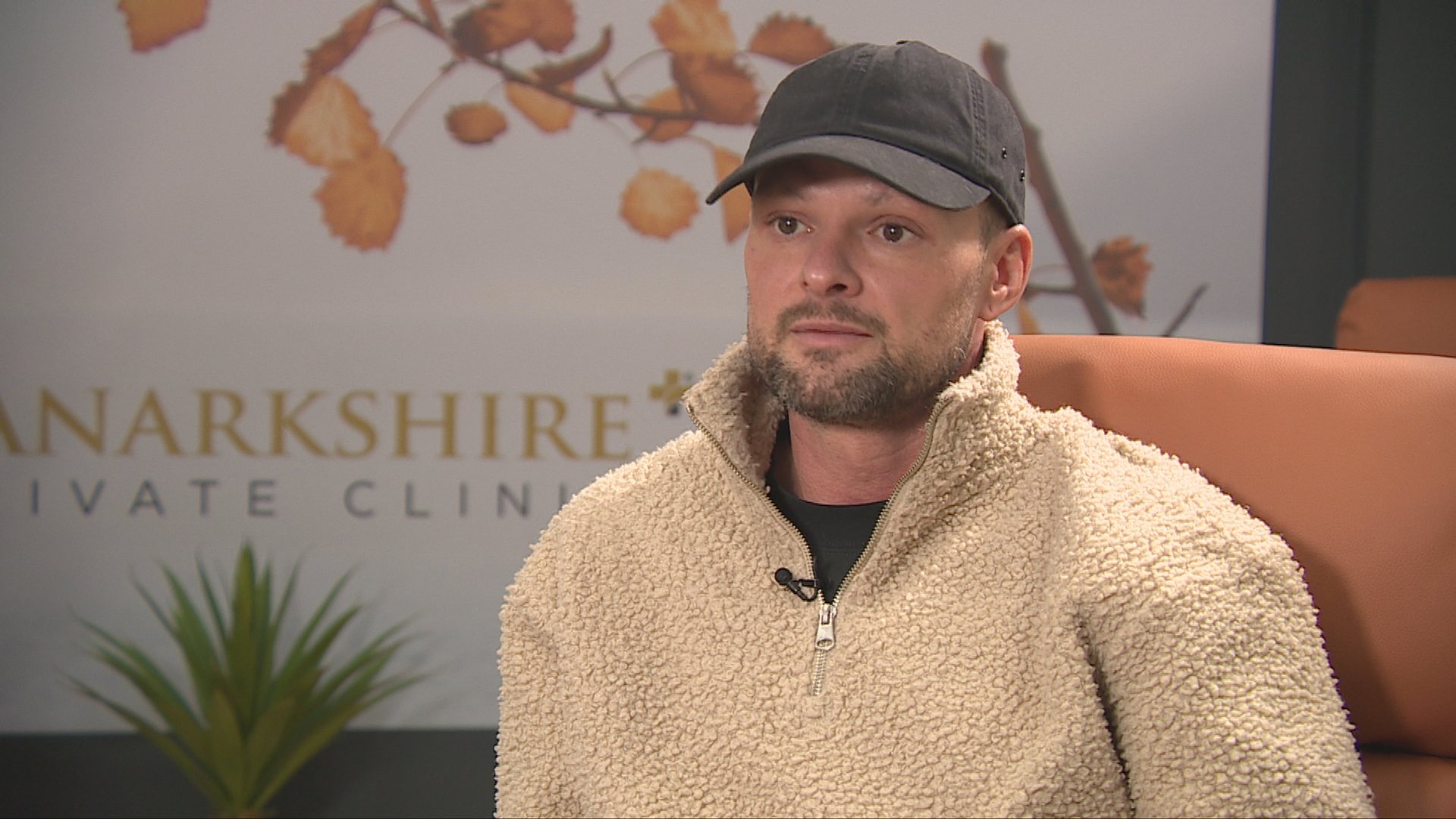
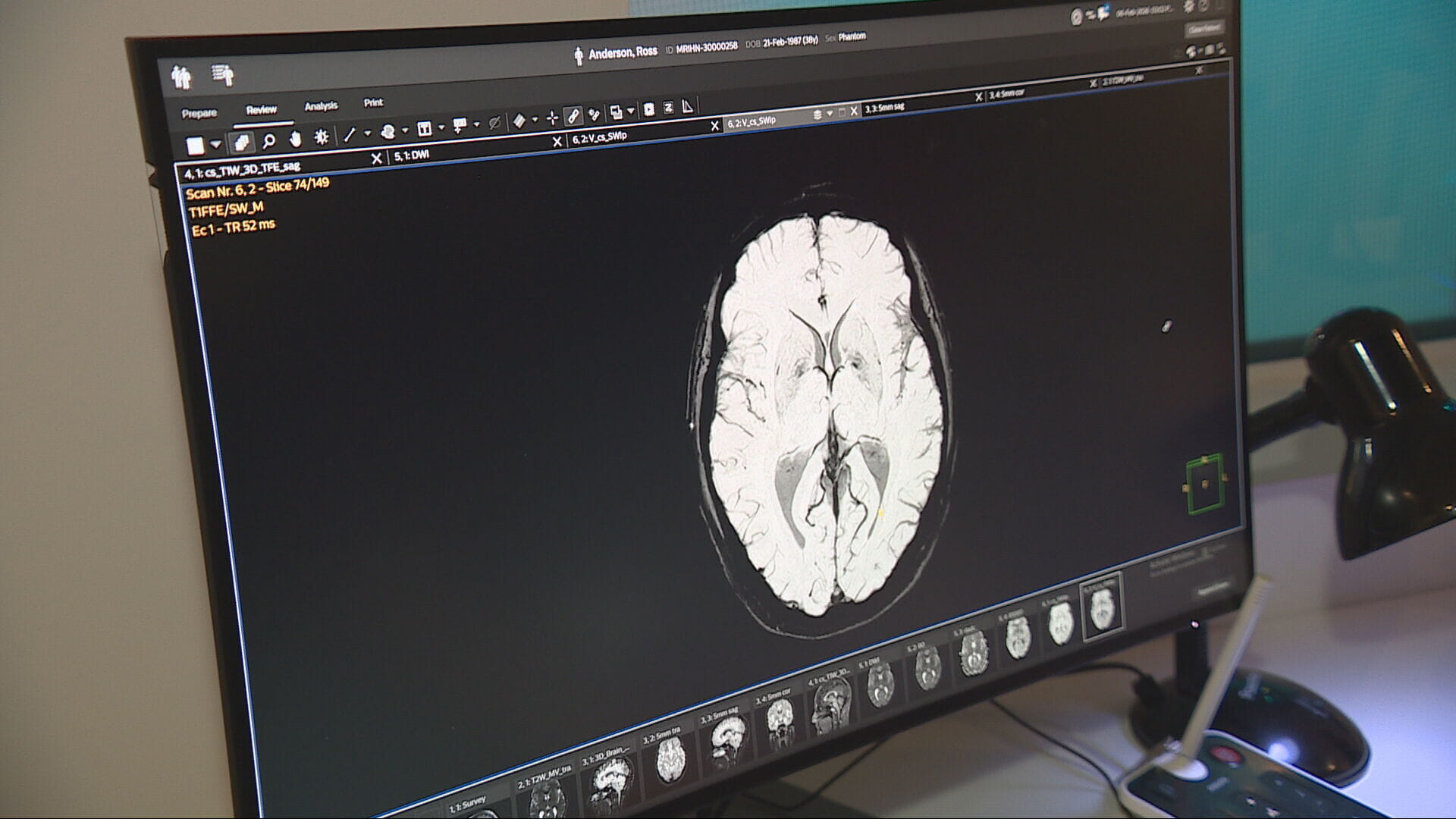
Ross Anderson, 38, from Bellshill has paid around £4,000 for a full-body scan.
This includes blood work analysis with over 120 biomarkers, scans of his brain, heart and lungs a full body ultrasound, a DEXA scan and bone density tests.
While Ross doesn’t have any specific health concerns, he is hoping for peace of mind.
“It’s an investment. Personally, I value health and wellbeing – realising my potential, growing old gracefully and healthily into my 40s, 50s and 60s. It’s about understanding what’s going on beneath the surface.”
He said the death of a friend from a heart attack aged 36, leaving behind a wife and two teenaged daughters, prompted him to take control of his health.
“It had a real impact on me. As I approach 40, I want to be able to take proactive steps. I have a daughter and I want to be here for her as long as I can.
“Would I rather go unaware or would I pay a couple more hundred and take proactive steps? There will be differences in opinion, but I think it’s a really good thing.”
‘Data guides behaviour change’
 STV News
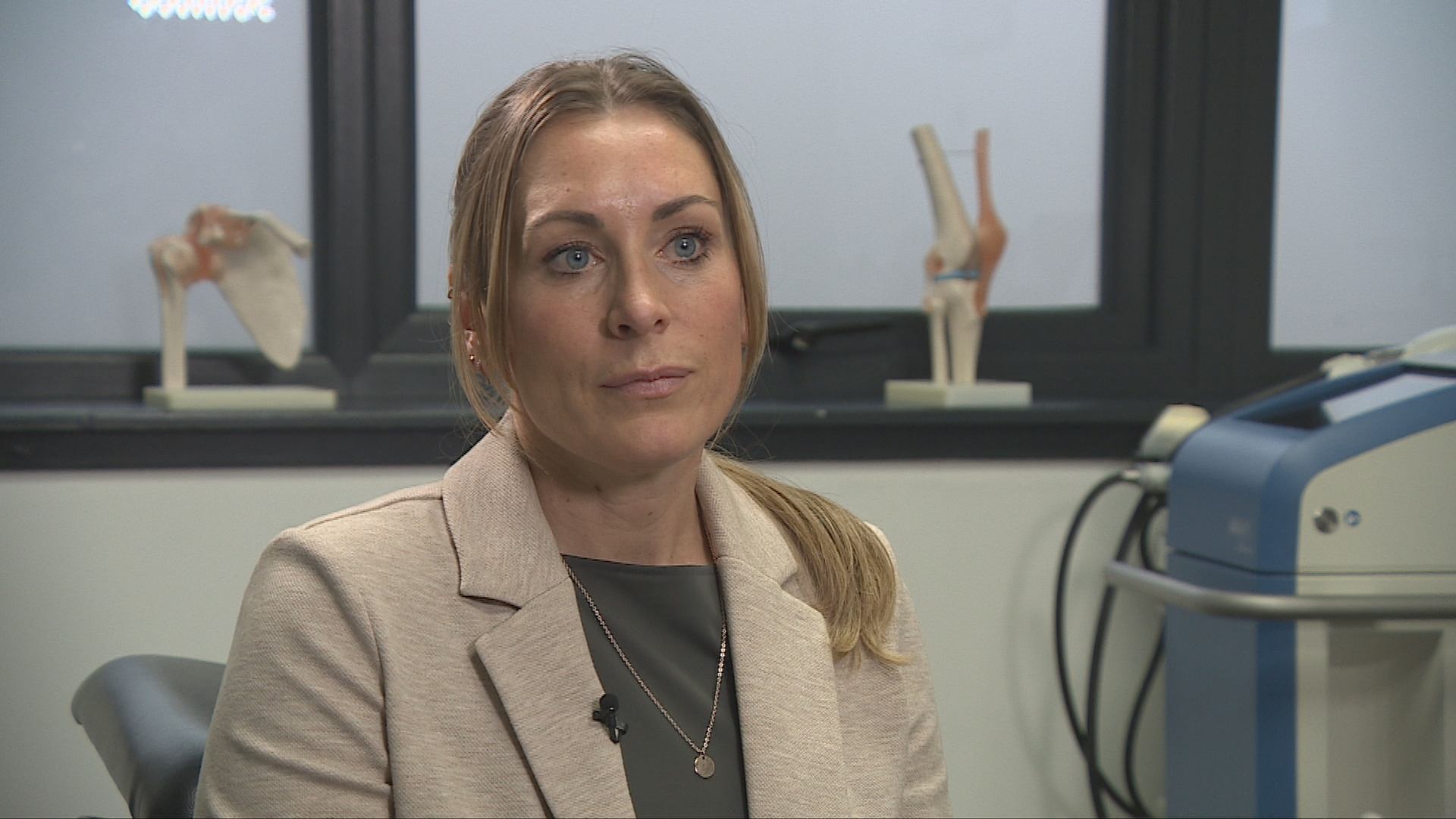
Dr Becky Howie, a GP who runs the service at Lanarkshire Private Clinic, said the scans can help speed up diagnoses for patients who might otherwise face long waits.
“We’re picking up serious conditions, including cancers,” she said. “The people coming here do not have a lot of money. Quite often It’s people that put that together their savings because they just are stuck – they can’t work. If you can’t work, you can’t earn.
“I think we forget about that impact that sitting on a waiting list can have. Everything in your life stops. So if we can get people back to work quicker and help the economy.”
Dr Howie said clients attend with a wide range of concerns including back pain, sleep issues and low energy.
“Data lets us show people what’s really going on and guide behaviour change. It’s a powerful motivator that helps future-proof people’s health.
“The model demonstrates that we need to stop pulling people our of the river and go upstream – find out why they’re falling in the first place. It puts people back in the driver’s seat.
“Someone waiting six months for neurology on the NHS – we can get them seen next week.”
 STV News
Becky said that not everyone that enquires is accepted for scanning.
“If I’m worried that the person has significant health anxiety and scanning will just move their worry to the next part of the body, we’ll refuse. It’s not just ‘give me a scan.’
But experts say mass, untargeted screening isn’t an effective way to improve population health.
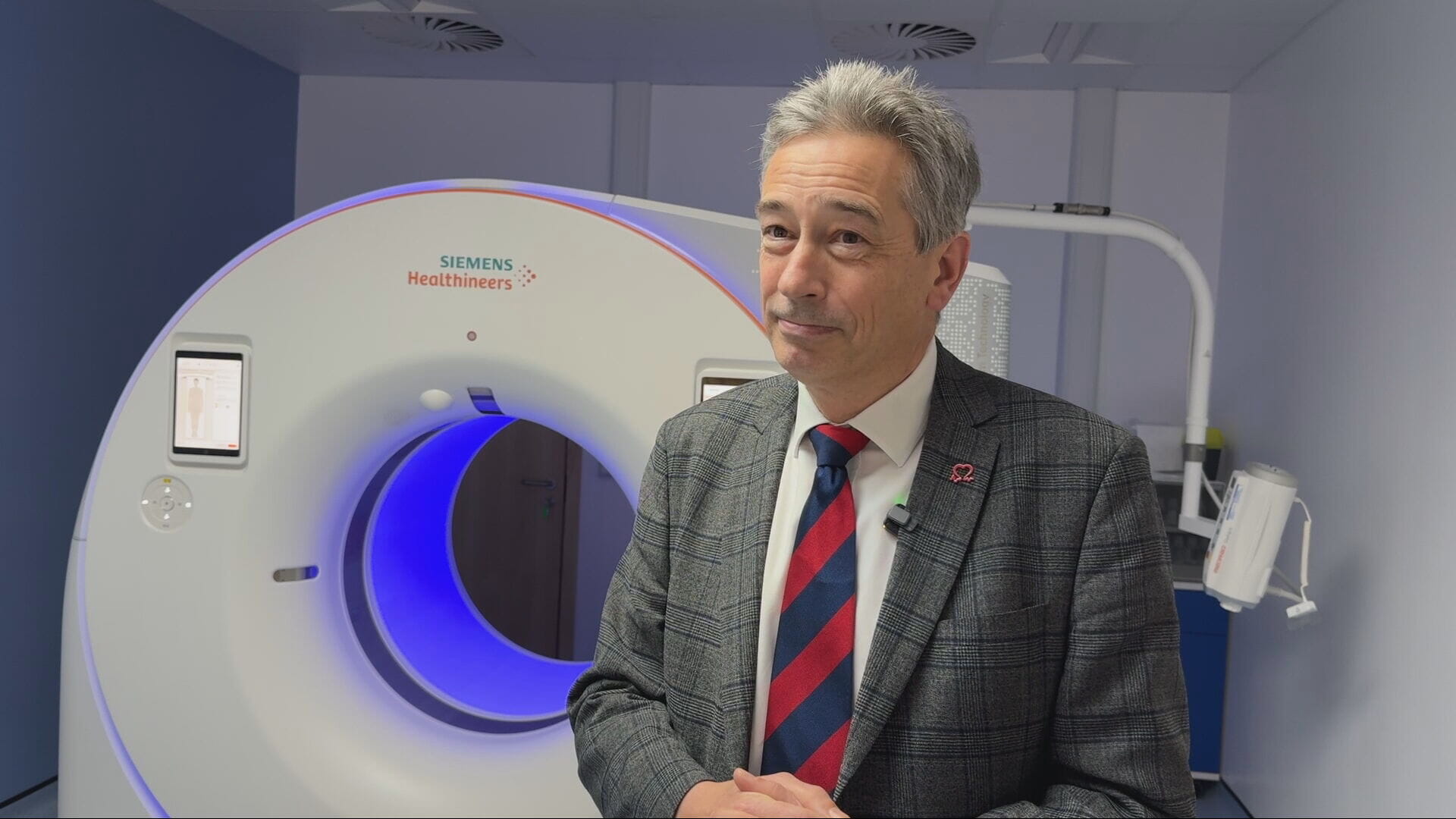
Professor of Cardiology at the University of Edinburgh Dr David Newby warns that indiscriminate screening could “hinder” the health service.
“The problem with indiscriminate screening is it’s likely to find lots of findings that don’t really mean very much, won’t impact their health, and what’s worse, it can put people into a cycle of further tests.
“If you get a clear result, great – but if you scan the whole body, you’re bound to find something potentially incidental with no actual consequences for your health.
“It causes a lot of health anxiety and could make them feel worse, not better. I don’t think letting them find other things to worry about is a good strategy.”
 STV News
He warned that incidental findings can lead to unnecessary follow-up procedures, including biopsies, that carry their own risks and can cause harm.
He added that some findings could affect life and travel insurance premiums, even in people without symptoms.
Professor Newby said people can take back control of their health in simpler ways.
“If you’re healthy, you should do all the sensible things – have a healthy lifestyle, be active, eat sensibly, don’t smoke. I agree with the sentiment of prevention – it’s better to prevent disease before it comes.”
A Scottish Government spokesperson said: “Scotland’s screening policy relies on advice from the UK National Screening Committee (UK NSC), an independent scientific body that carefully considers all available evidence before making any recommendations.
“Currently, there is a lack of evidence to show that full body imaging impacts positively on morbidity and mortality due to non-communicable disease and in the absence of any medical indication their sensitivity and specificity is unclear.
“Population-based screening always brings both benefits and harms, and the UK NSC would only recommend any form of screening where the evidence showed the benefits outweighed the harms.”
Follow STV News on WhatsApp
Scan the QR code on your mobile device for all the latest news from around the country