Key Points
-
 Grace was first strangled by her former partner while driving home from her mother’s funeral, when she was pregnant and deeply isolated from her family.
 - She believes the attack was a deliberate act of control, leaving her feeling that her life was literally in his hands and that escaping the abuse was impossible.
- Non-fatal strangulation is a form of domestic abuse strongly linked to coercive control and is a significant early indicator of potential homicide.
- Campaigners argue Scotland is falling behind the rest of the UK, where non-fatal strangulation is already a standalone offence, limiting awareness and protection for victims.
- Support organisations warn that without recognising non-fatal strangulation as a distinct crime, many victims will continue to suffer in silence and lives will continue to be lost.
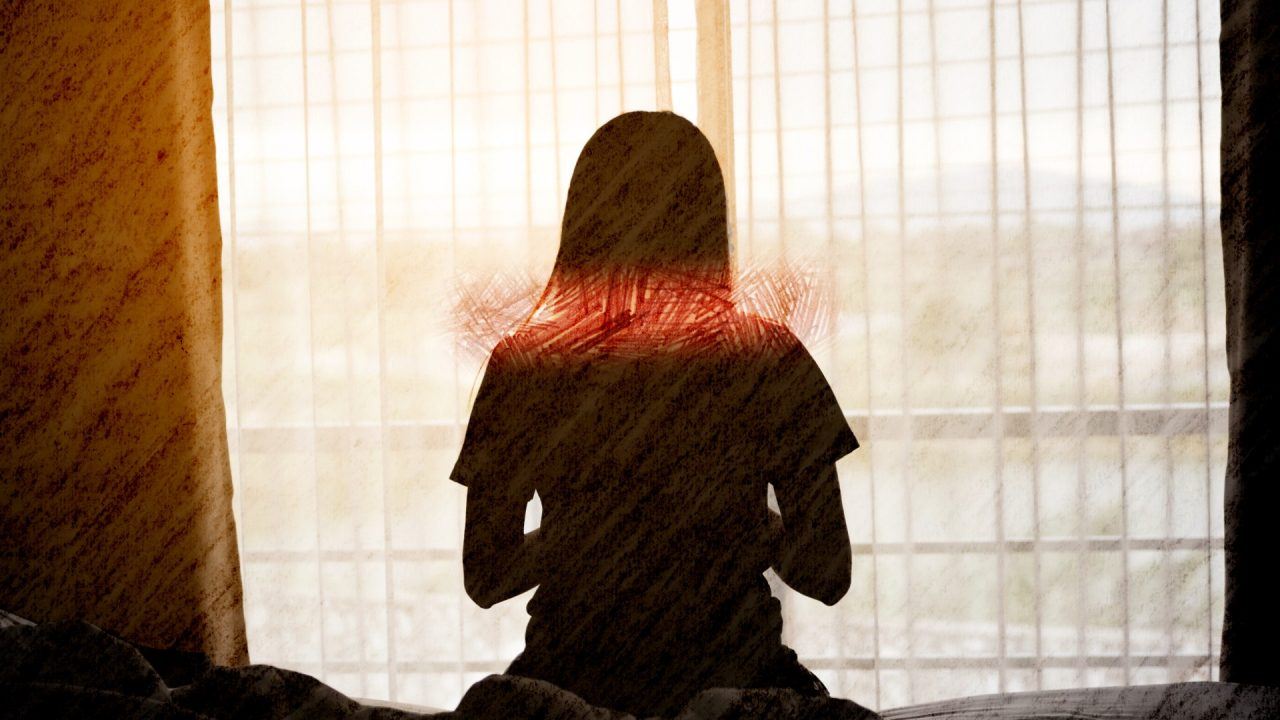
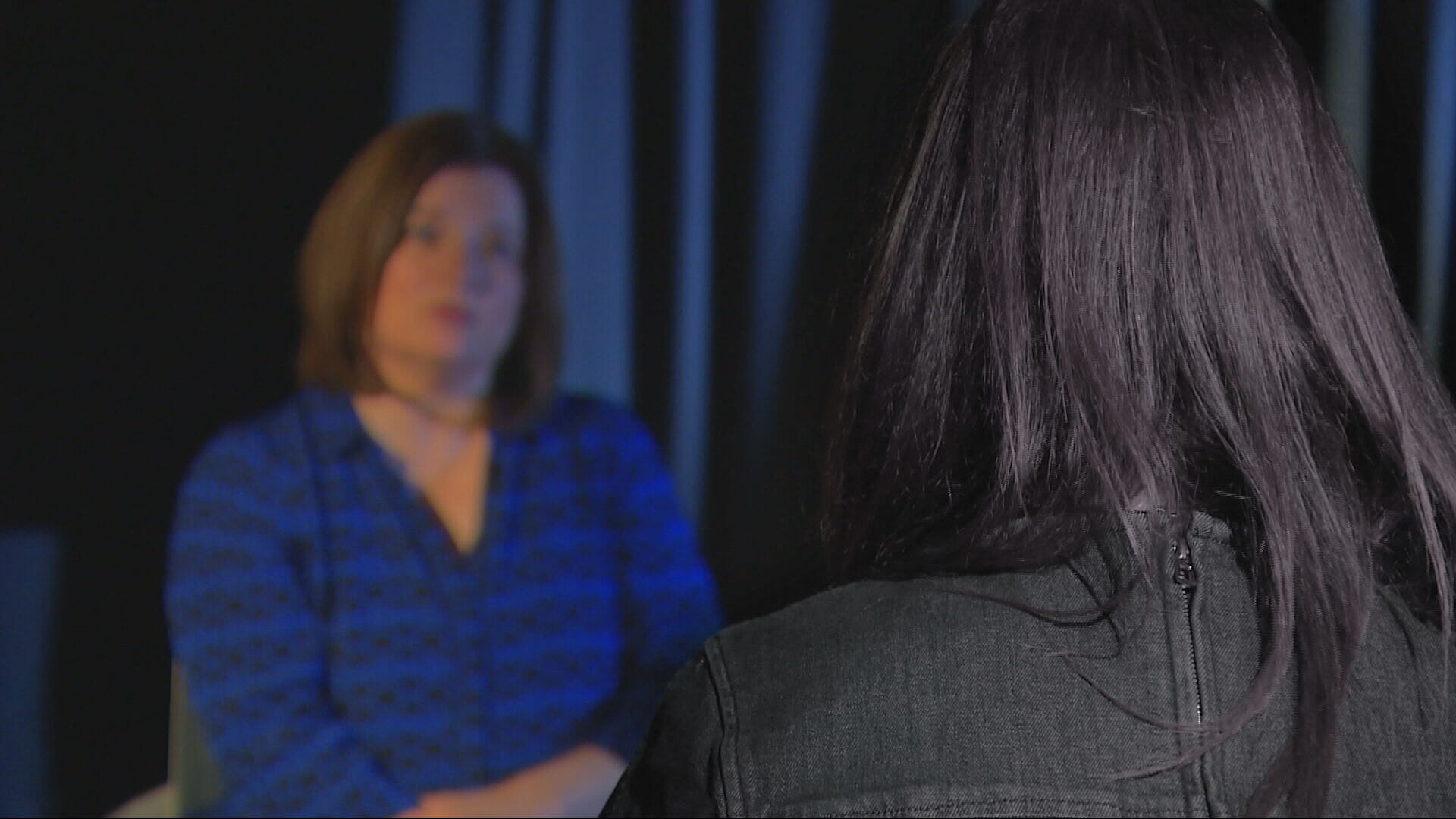
Grace was driving home from her mother’s funeral when she was strangled for the first time.
She was pregnant when her former partner reached across and put his hands on her neck and squeezed hard.
Grace, not her real name, believes he chose that particular moment to demonstrate ultimate control.
“I don’t know what I said. I don’t know what I did,” she told STV News.
“But he reached over and put his hands around my neck and he squeezed.
“I obviously thought he was going to let go, but he didn’t. He kept squeezing to the point where I had to stop the car on the road.
“I feel very strongly he knew at that point I had nobody else.
“He had isolated me completely leading up to that moment and moved me away from my family. For him, it was the best way of saying: ‘This is it, I’m in control. You’ll do what I say.'”
 STV News
Grace would be strangled again in the near future, this time in her own home, as a pattern of abuse was established over a number of years. The police were eventually called for different reasons and a conviction followed.
“Your life is literally in their hands, and they don’t know how long it’s going to take for them to kill you,” Grace explained.
“The pain is excruciating. Afterwards you can cover your neck, you can wear a polo neck, you can hide the bruises around your neck, but you know, psychologically and mentally, it never goes away.
“There was only one way it was going to end in my view, and he was going to end up killing me.”
What is non-fatal strangulation?
Grace is a victim of non-fatal strangulation – a form of assault where pressure is applied to the neck restricting breathing without causing death.
It is often a part of domestic abuse and coercive control, with research showing it’s an early indication of potential homicide.
The act can cause brain damage, stroke, organ failure, mental ill health and death.
Research has found if someone is strangled, they are eight times more likely to be murdered by the same person.
England and Wales made non-fatal strangulation a standalone offence in 2022, and Northern Ireland followed a year later.
Campaigners in Scotland are concerned about the rise of non-fatal strangulation cases here and the lack of awareness around the dangers involved.
They are calling on the Scottish Government to bring Scotland in line with the rest of the UK.
Scotland is falling behind in protecting victims
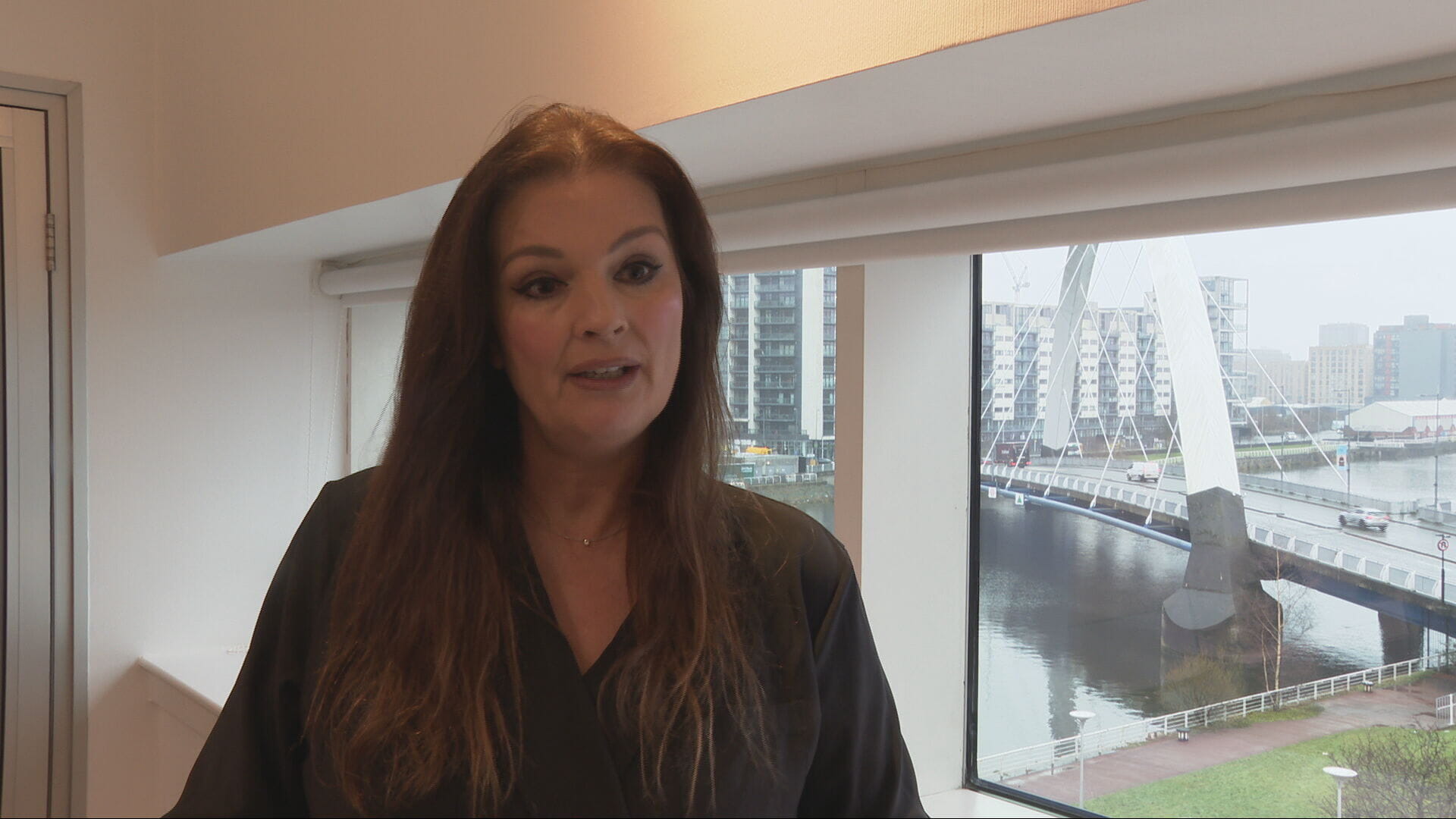
Fiona Drouet, whose daughter Emily took her own life after being abused by her boyfriend, believes Scotland is falling behind in protecting victims.
She believes the public is lacking awareness about the severity of the crime.
“There’s never a day I don’t think about what Emily was subjected to,” Fiona told STV News.
 STV News
“The psychological harms are significant. We know that this issue is becoming increasing prevalent.
“Someone who is subjected to non-fatal strangulation is seven to eight times more likely to be killed by that person.
“That is not insignificant, that is a massive risk that so many people are facing, and we can’t leave it to chance that people are being educated themselves.”
Ms Drouet says she’s disappointed in the lack of action since she submitted her petition over a year ago, despite numerous committee appearances and a meeting with the Lord Advocate.
She added: “It’s damaging and costing lives. It’s not something we can relax on. I think we should be working at pace.
“The work I’m seeing under way in England, involving many different partners and agents in this field, shows a much clearer understanding. Action is being taken, people are being trained, and there is a strong focus on evidence collection at various levels. That is far more progressive than in Scotland.
“Just the general awareness across services is far more connected, and we need to start achieving that in Scotland. I think that’s where the standalone offence will help.”
Justice secretary promises public inquiry
In a debate in Parliament, justice secretary Angela Constance announced the Government would conduct a public inquiry following pressure from cross-party MSPs.
Constance said: “I do think that is an important message to reiterate. It doesn’t mean minds are closed and there isn’t further action to take forward.
“This is an issue I and this Government take seriously. Nonetheless, we will shortly publish a public consultation to seek views on this area of law.”
Prosecutors say existing laws are sufficient enough to deal with the crime, but support groups believe meaningful progress is still lacking.
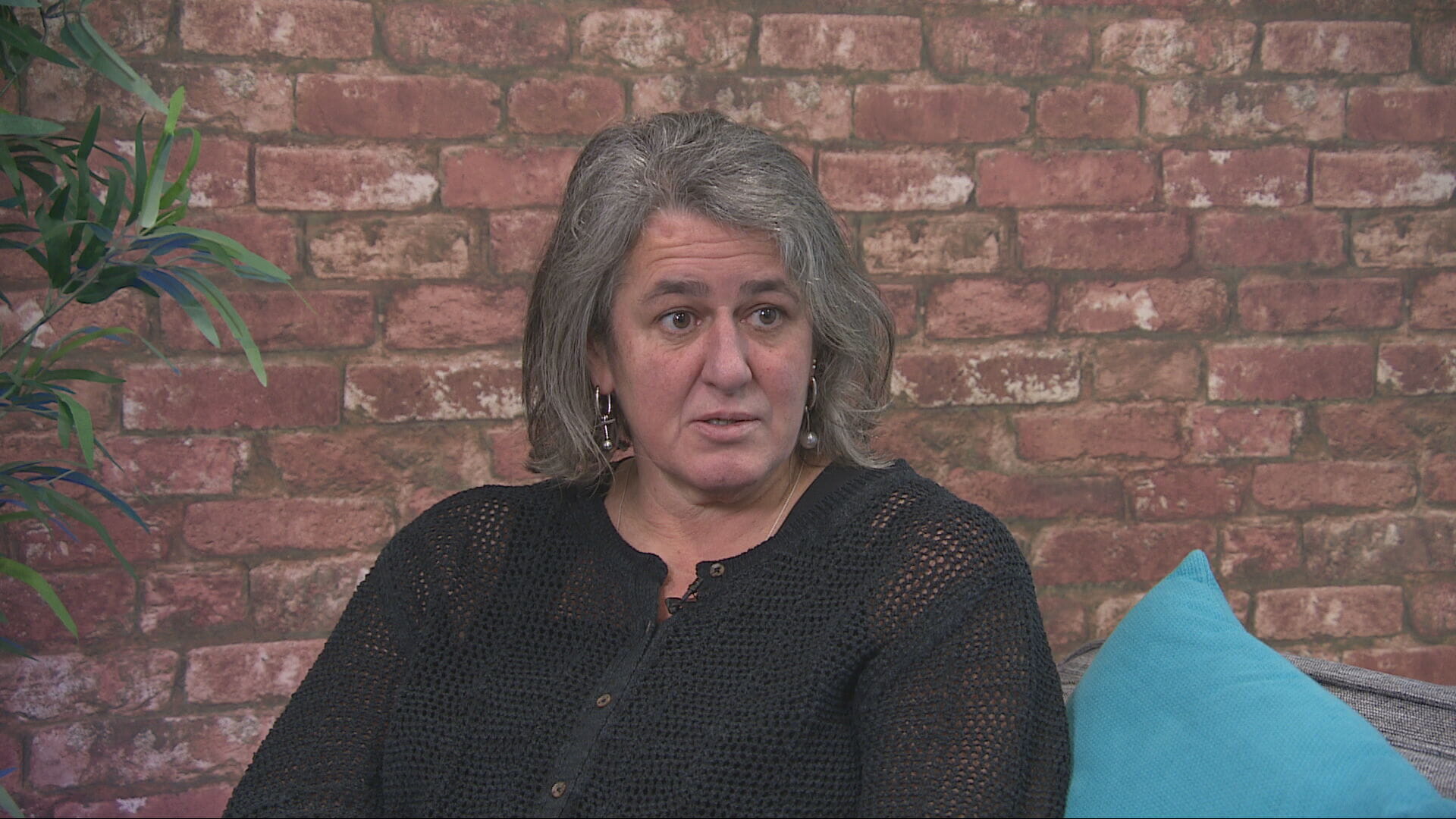
“This has become urgent,” said Fiona McMullen, operations manager at ASSIST in Glasgow. The service offers support to victims of domestic abuse.
“The number of victims we speak to who disclose being strangled – often when they’re asked at the point of disclosing other criminality, or sometimes without disclosing it at all – is significant. They are telling us about it but not reporting it to the police,” she said.
 STV News
“We will never capture the number of victims whose lives are prematurely cut short because of abuse, and strangulation will be one of the causes.
“If we are going to truly learn lessons from what we see in relation to homicides and suicides, then this has to be a key part of that.
“For victims to know that this is a crime in itself – it’s not an assault, it’s not a serious assault, it’s not attempted murder, it is a crime in its own right – I think that would make a difference in terms of awareness for professionals and for victims, but also for perpetrators, so they understand they will be held accountable for what is a very specific act of terror.”
A spokesperson for the Crown Office and Procurator Fiscal Service said: “COPFS is acutely aware of the issue of non-fatal strangulation, which is already criminal behaviour in Scotland.
“Prosecutors have instructions to ensure this is treated seriously in cases of assault or abuse, using existing offences.
“We welcome any contribution to improving public awareness of the harm caused by this crime.”
Stuart Munro, convener of the Law Society of Scotland’s Criminal Law Committee said: “Non-fatal strangulation is a serious criminal act that can result in severe consequences for both the physical and mental health of victims.
“Such attacks disproportionately affect women and are often related to a wider pattern of domestic abuse.
“We have taken a neutral position on whether a standalone offence should be created.
“Such incidents can already be prosecuted effectively under the common law and statute, and there is some concern that a standalone offence may make prosecutions more difficult.
“Equally, there is some evidence from other jurisdictions that a standalone offence might offer benefits, such as raising community awareness.”
Follow STV News on WhatsApp
Scan the QR code on your mobile device for all the latest news from around the country