 STV News
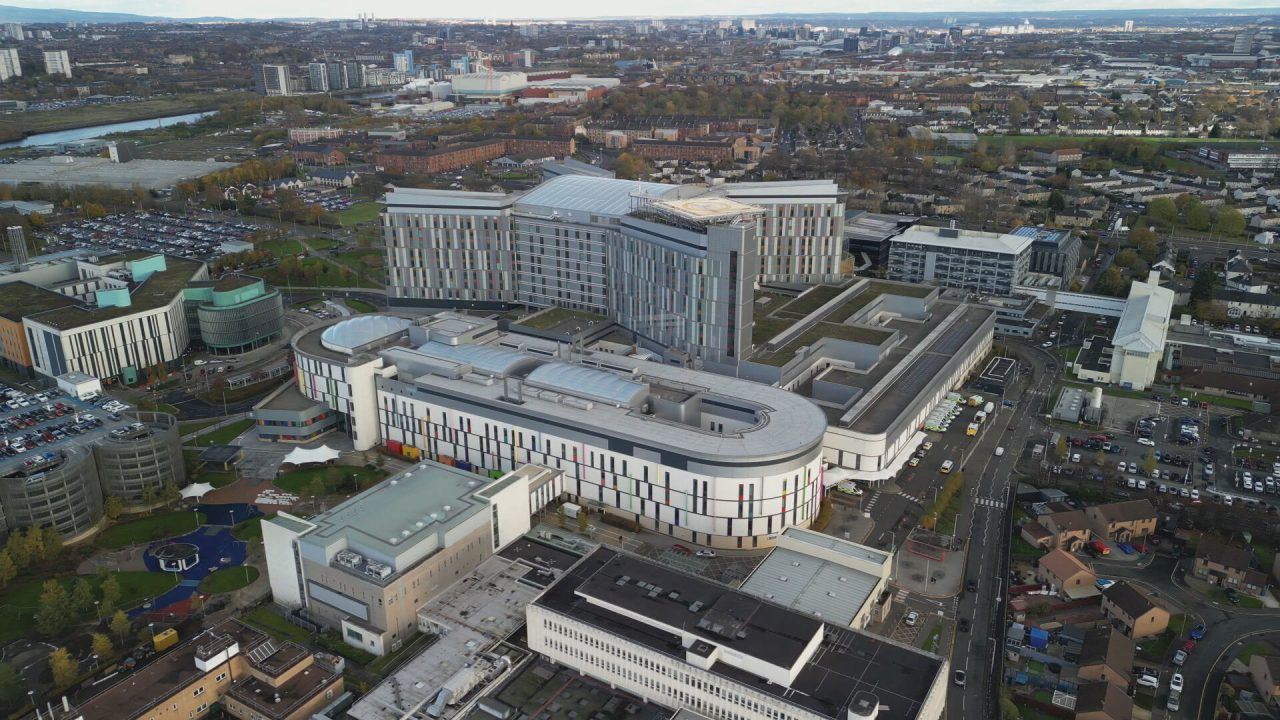
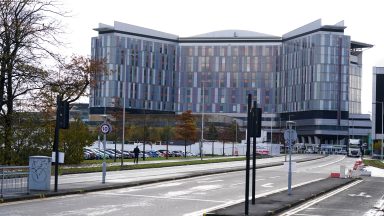
Maternity staff at the Queen Elizabeth University Hospital (QEUH) raised issues “for years”, a whistleblower report has shown.
It comes as the QEUH was ordered to implement 26 improvements following an investigation by Healthcare Improvement Scotland (HIS).
Earlier this year, an Independent National Whistleblowing Officer (INWO) report found staff raised “multiple concerns about patient and staff safety in the maternity unit” under the Board’s whistleblowing process in June 2024.
The report says this followed earlier concerns raised under business-as-usual in February 2024.
Staff raised concerns about unsafe staffing levels, high workloads, delays of more than 48 hours to access the unit’s labour ward, and a lack of support from management.
The complaints investigated alleged that:
- The Board did not ensure there were appropriate staffing levels in the maternity unit at QEUH
- The Board did not appropriately manage patient demand for the maternity unit at QEUH
- The Board did not appropriately manage patient journeys through the QEUH maternity unit
- The Board did not ensure there was appropriate out-of-hours support arrangements for staff in the maternity unit
- The Board did not handle the whistleblowing concerns in line with the National Whistleblowing Standards
These were all upheld, the report found.
‘Women faced delays exceeding 100 hours at QEUH’
In their investigation, HIS inspectors observed delays of up to 21 hours at the maternity unit, noting some women had to wait far longer.
“There was evidence of women experiencing delays which exceeded 100 hours, potentially up to 190 hours, due to staffing and capacity within the unit,” the report said.
HIS also said there were delays transferring women in labour to the labour ward at the maternity unit, with “at least” 128 women affected over a six-month period.
Inspectors, who made an unannounced visit to the centre early this year, found “many staff” were unable to take breaks due to work pressures, with the report stating this “appeared to become an accepted practice”.
The report also told how staff raised concerns about the skills mix of midwifery staff potentially “impacting on the ability to provide safe maternity care and maintain patient safety”.
Such delays can put both mothers and their babies at “increased risk”, it said.


Inspectors found a “disconnect with senior managers in relation to the reality of pressures facing the service”, saying staff described a “lack of senior manager visibility”.
The report further described a “lack of civility between teams in different clinical areas”, claiming some staff “described a reluctance to answer the ward phone” because of this.
It added: “We saw examples of rudeness and unprofessional behaviours evident between the multidisciplinary teams within correspondence reviewed.”
While the inspection team identified six areas of good practice within maternity services, they also made four recommendations and issued 26 requirements – areas where required standards had not been met and inspectors are concerned about the impact this has on women and families at the hospital.
 Adobe Stock
HIS chief inspector Donna Maclean said as a result of the “continued lack of assurance in relation to governance and oversight of patient safety and the impact on the safe delivery of care”, inspectors had escalated concerns to the chief executive of NHS Greater Glasgow and Clyde and had also advised the Scottish Government.
Health secretary Angela Constance said the HIS report “identifies concerning issues” which she takes “very seriously”.
She said she has met the chief executive at NHS Greater Glasgow and Clyde “and stated my expectation that the board addresses the requirements and recommendations immediately”.
Dr Mary Ross-Davie, director of midwifery at NHS Greater Glasgow and Clyde, said: “Providing good care and experience for our patients is our absolute priority.”
She said the board recognised the findings of the HIS report and had “further developed our improvement work to address the issues identified in a timely manner”.
Around 70% of the required actions have now been completed Dr Ross-Davie added, saying work on the remainder was “progressing at pace”.
She continued: “We are strengthening staffing and have invested more than £4m across our maternity services. This is the single biggest staffing investment across NHS Greater Glasgow and Clyde.
“As a result, 55 more midwives will have joined by October than when the inspection took place, with many already in place at the QEUH, representing a 10% total uplift in midwifery.”
She added the health board was “sorry that some women have experienced delays in accessing care in our labour wards”, saying that “improving this is a priority for us, and we are continuing to develop new pathways to reduce waiting times”.
Follow STV News on WhatsApp
Scan the QR code on your mobile device for all the latest news from around the country