 Adobe Stock
A new study says a popular scenic route generated almost £100 million in economic benefits last year, but warned the majority of local residents have reported issues including environmental damage.
The North Coast 500 route brought in £98.8 million over the last year, according to analysis commissioned by NC500 Ltd, undertaken by BiGGAR Economics.
It is measured as gross value added (GVA) benefits, which is a measure of the value of goods and services produced in the area.
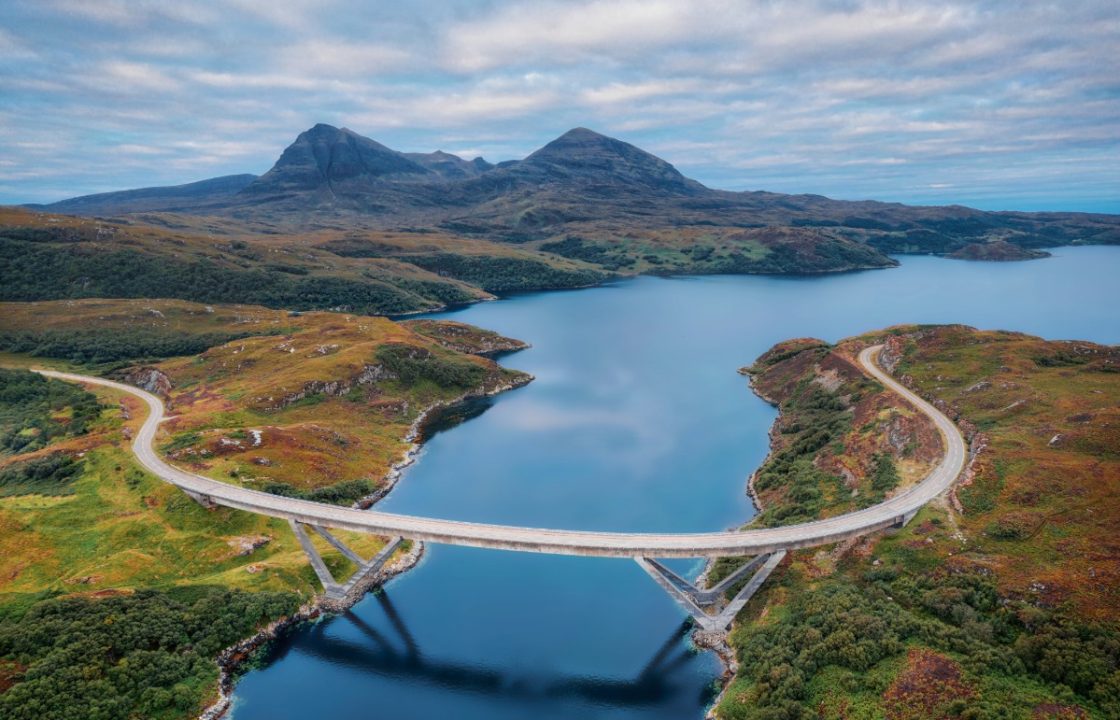
The 516-mile route, which was launched in 2015 and links several areas of the Scottish Highlands together, is a popular tourist destination.
Some 60% of residents said they feel NC500 Ltd does not act in the best interests of the local area, which the company said it needed “to work hard to change”.
Some 90% of residents approached said they have seen signs of environmental damage among other negative factors, including dangerous and irresponsible driving.
The study said that every £1 invested by shareholders since 2015 generated £36 in economic impact in 2025 alone, with a third (33%) of residents along the route agreeing it has created jobs in their communities.
The study also said around one in 10 people earned income from renting accommodation to visitors, and 41% of businesses said tourists visiting the NC500 meant they could open longer, stay in season for longer and offer more services.
Clare Winskill, NC500 Ltd’s executive chair, said: “This report is an important milestone for the North Coast 500 and, crucially, for the communities who live and work along the route.
“It shows that the route is a vital driver of economic activity for Highland communities, generating £36 of economic impact in 2025 for every £1 invested since 2015.
“As well as all the brilliant businesses that have been able to thrive as a result of the NC500, it has clearly come with big challenges for residents, and we recognise that over 60% of residents feel NC500 Ltd does not act in the best interests of the local area, which is something we need to work hard to change.
“Given that so many people are dependent upon the route for income, what matters now is how we work together on the next stage, listening properly to communities, collaborating closely with stakeholders and using the findings – both positive and negative – to deliver meaningful, long-term benefits for everyone across the North Highlands.”
Bosses at the Badachro Distillery, found on the route near Gairloch, said it had benefited from the NC500.
Gordon Quinn, managing director, said: “We started Badachro Distillery over a decade ago when the North Coast 500 route was first established.
“In that time, we’ve grown from a small gin distillery to now producing our own single malt and employing eight full-time members of staff.
“I’m not sure we’d have grown quite as quickly if it wasn’t for the NC500 route.
“As the route has grown in popularity, we’ve welcomed visitors from around the world.”
He added: “Increased tourism and word-of-mouth recommendations have helped more shops, restaurants and hotels choose to stock our products.
“The route has played such an important role in supporting local businesses like ours and encouraging visitors to spend more time exploring this area of the Highlands.”
Shona Glenn, development director at BiGGAR Economics, said: “This report confirms that the NC500 has become a major contributor to the economy of the North Highlands, generating substantial benefits for businesses and communities while helping to attract visitors from across the UK and around the world.
“However, the findings also show that the story of the NC500 is more nuanced than simply visitor numbers and economic impact.
“The route has created significant opportunities, but communities have also been clear about the challenges that need to be addressed.
“We hope this study provides a balanced and independent foundation for future discussions, helping communities, businesses and public sector partners work together with NC500 Ltd to maximise the benefits of the route in the years ahead.”
Chairman of the Highland Council’s economy and infrastructure committee, councillor Ken Gowans, said: “The Highland Council welcomes this assessment, which provides an important, evidence-based understanding of the North Coast 500’s environmental, social and economic impacts.
“The findings underline the route’s strong contribution to the Highland economy, supporting businesses, jobs and communities.
“At the same time, it highlights the very real pressures being experienced by residents and infrastructure in some areas.
“It is evident that further investment is required to support a more sustainable approach to tourism.
“However, we must address this at a time when the public sector continues to face considerable financial challenges.
“That is why we are exploring a visitor levy and other funding mechanisms to create a long-term, sustainable funding stream.
“This would help reinvest in local services and infrastructure, supporting communities to manage visitor pressures while enabling tourism to thrive.”
Follow STV News on WhatsApp
Scan the QR code on your mobile device for all the latest news from around the country