 STV News
A bluetongue restriction zone is to be introduced in south-west Scotland to prevent the disease from spreading further.
The Scottish Government announced that a new restriction zone will come into effect on Thursday, September 10, replacing the existing temporary control zone, which covered much of Dumfries and Galloway.
The changes mean livestock including cattle and sheep will require a licence if they are being moved out of the restriction zone.
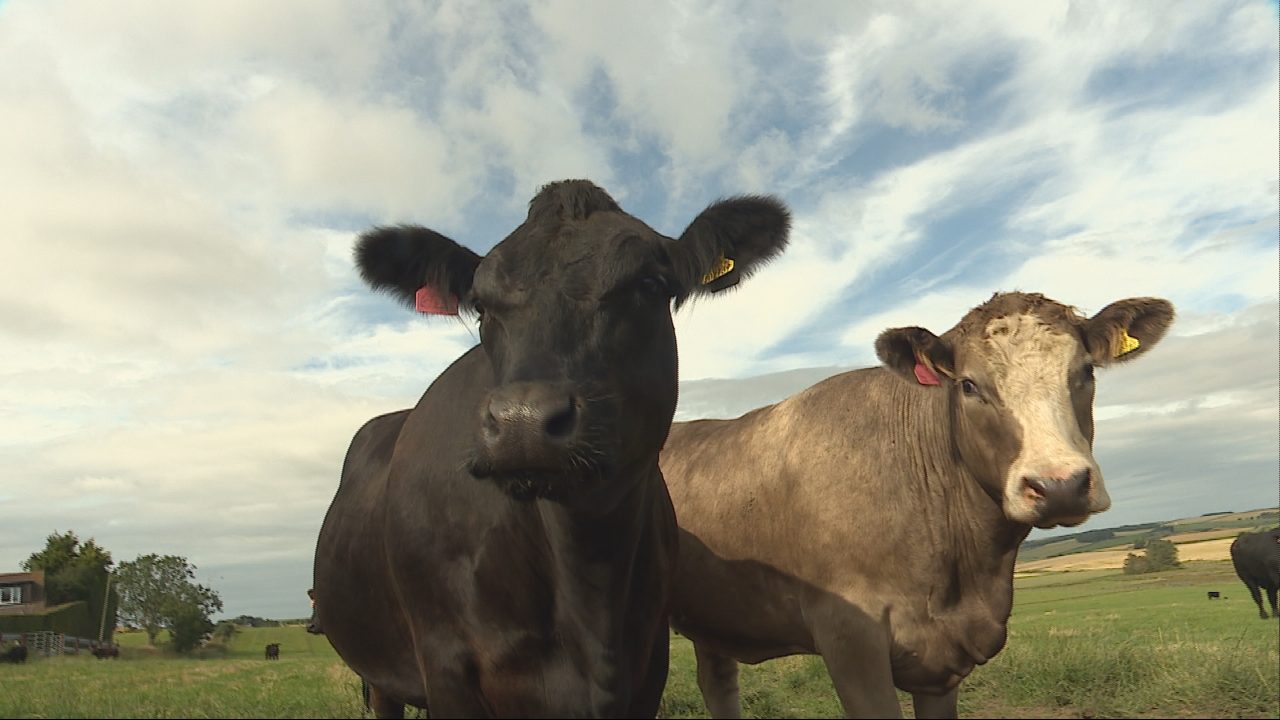
The first cow in Scotland tested positive for the potentially deadly bluetongue virus in Creetown back in August.
Around 64 cattle and 15 sheep at 20 farms in Scotland, across Creetown, Castle Douglas, Kirkcudbright, and Lockerbie, have been affected by the virus.
Agriculture minister Jim Fairlie said the “disease is not going away any time soon”.
He said: “We have been doing all we can to stop bluetongue getting a foothold but the evidence now is regrettably showing us that the disease is circulating in south-west Scotland, meaning that legally we have to make that area a Restricted Zone.
“What this shows is that the disease is not going away any time soon, and industry should start to prepare for the disease gaining a permanent hold within the rest of Scotland.”
Bluetongue only affects animals and does not affect humans or food safety. It is mainly spread by biting midges.
Symptoms include nasal discharge, redness and swelling of the lips, nose and muzzle, lameness or reluctance to stand, a decrease in milk production and diarrhoea in cattle.
If an animal is showing signs of bluetongue it must be reported immediately to the Animal and Plant Health Agency.
“I recognise that this is an extremely difficult time for farmers and the wider industry and we are continuing to work closely with them on how we deal with the disease in Scotland for the longer term”, Mr Fairlie said.
“While we have no choice but to establish a Restricted Zone, the risk of spread reduces during the colder months. That is why, after listening to industry feedback, we remain able to continue to change restrictions on the movement of some animals out of the zone from September 10.
“What will not change is that vaccination is the only viable long-term strategy for controlling bluetongue. As such, I would urge anyone with susceptible livestock to speak to their vet as soon as possible, both to discuss the right approach for their animals and to make sure vaccine is available when it is needed.”
Follow STV News on WhatsApp
Scan the QR code on your mobile device for all the latest news from around the country