Mobile heart rate monitors designed to dramatically cut treatment waiting times are to be rolled out by NHS Scotland.
Patients can currently wait between six and 12 months for a simple ECG test, with further delays before results are reviewed by a specialist.
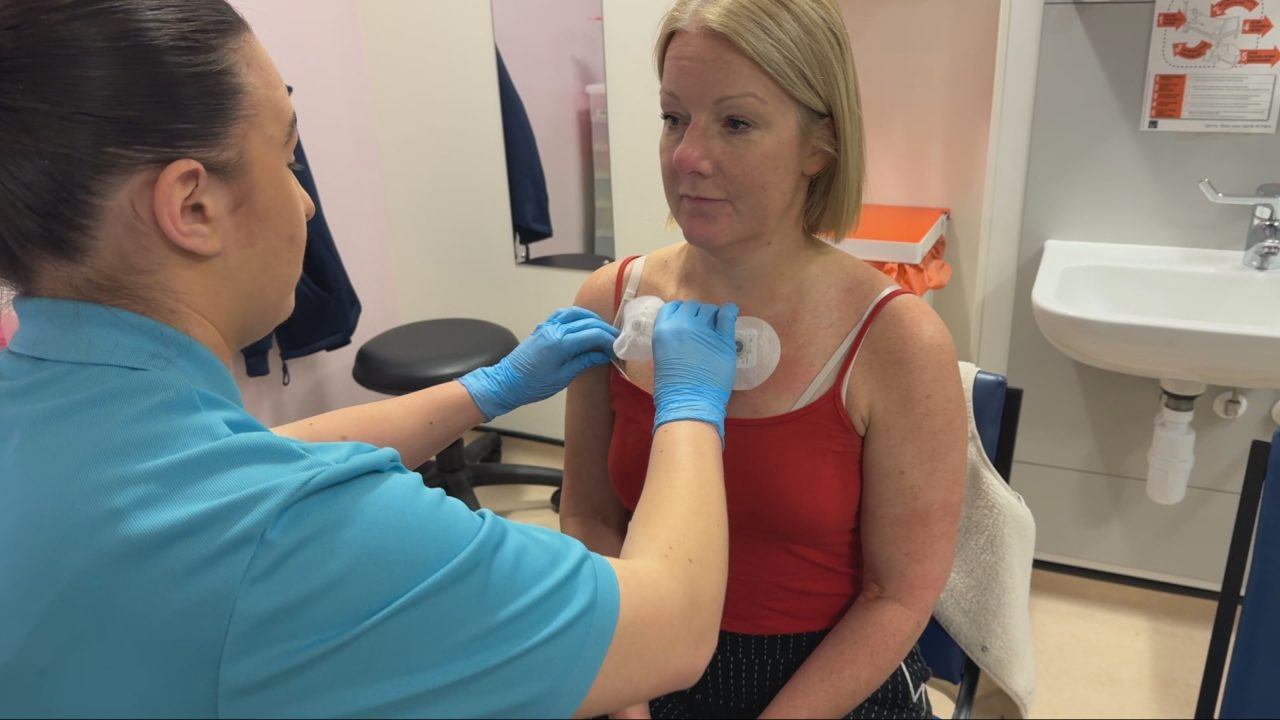
But a compact, wearable ECG patch – which sticks to the chest like a plaster – could reduce that process to just a few weeks.
The wireless monitors are already being rolled out nationally to improve diagnosis and treatment for stroke patients. From next month, they will also be offered to people attending hospital with palpitations, dizziness and other concerning symptoms as part of a new pilot called “Patch and Go”.
The programme will begin at the West of Scotland Innovation Centre at NHS Greater Glasgow and Clyde and run until November.
‘A completely new way of doing things’
 STV News
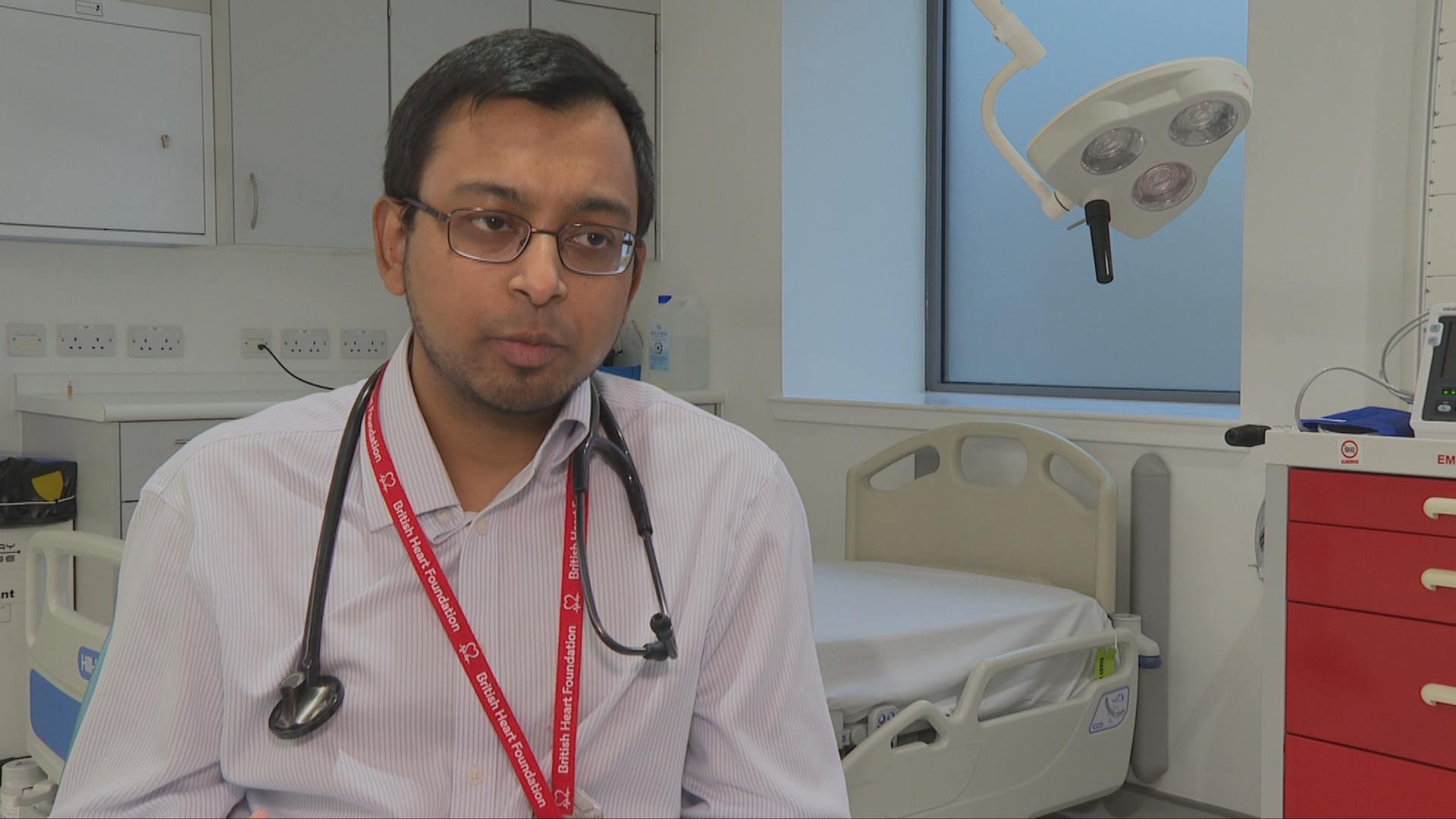
Dr Faheem Ahmad, consultant cardiologist and West of Scotland Cardiology Innovation Lead, said the technology marks a major shift in patient care.
“This is completely a new way of doing things,” he said. “It’s aimed at patients coming through the front door – to A&E or acute medicine – with palpitations or dizzy spells.
“We’ll offer them the option of having the patch fitted in hospital and then allowing them to go home, supported through our virtual ward.
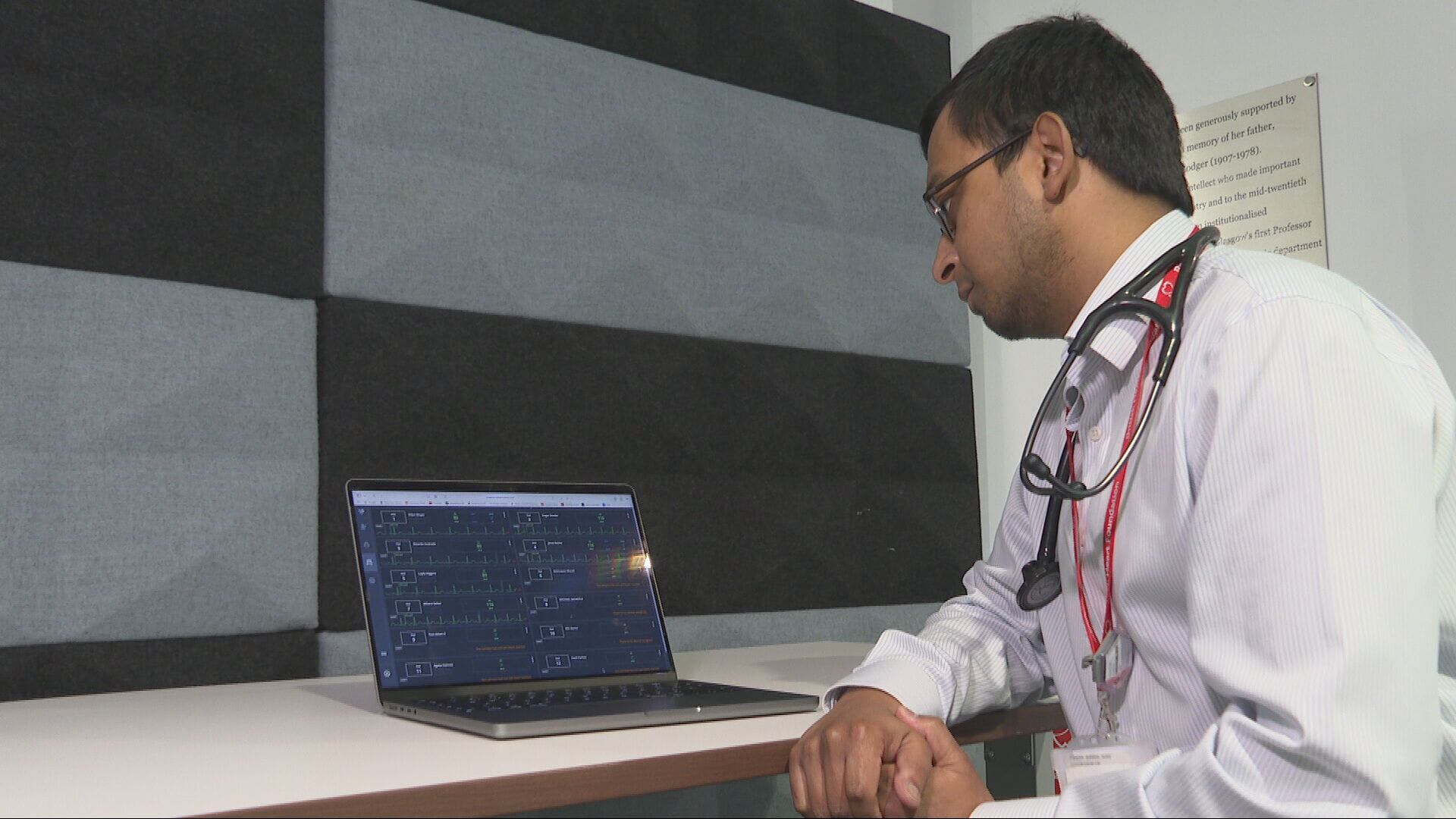
“Once the diagnostic test is complete, within seven to 14 days, we will be able to sit down with them and tell them what we found, to reassure them if possible and start treatment if necessary.
“It gives patients a much faster way of getting a diagnosis quickly, to see a specialist and also have their care delivered at home.”
Detecting dangerous heart rhythms
 STV News
The compact, water-resistant patches continuously record the heart’s rhythm for up to 14 days. They are designed to detect rhythm abnormalities – particularly atrial fibrillation, a leading cause of stroke.
Clinicians say the devices are up to four times more effective at detecting atrial fibrillation than current methods, reducing diagnosis and treatment times from as long as 24 months to around three weeks.
The “Patch and Go” pilot aims to enrol at least 500 patients and is expected to free up around 1,500 hospital bed days, easing pressure on frontline services.
Dr Ahmad said: “In some cases, often as a precaution, a patient with these symptoms could be admitted to hospital for several days. That is because often clinicians might not be sure about what is going on if it is an intermittent rhythm.
“If you are sent home with a referral for further checks, it can take six to 12 months to see a cardiologist. This is about taking the technologies that we know are safe and proven and putting them into the right pathway for patients.”
@stvnews No one wants to wait to find out what's wrong with their heart, but an appointment for a simple ECG test on the NHS can take 6 to 12 months. A new device device could change that. The ECG patch, which sticks onto the chest like a plaster, is being rolled out nationally to improve monitoring and treatment for stroke patients. From earlyr 2026, it's also to be offered to others referred to hospital across Greater Glasgow & Clyde with palpitations and other unsettling symptoms. STV News met one woman who has helped trial the new device. #news #health #heart #medicine #scotlandtiktok #shorts ♬ original sound – STV News
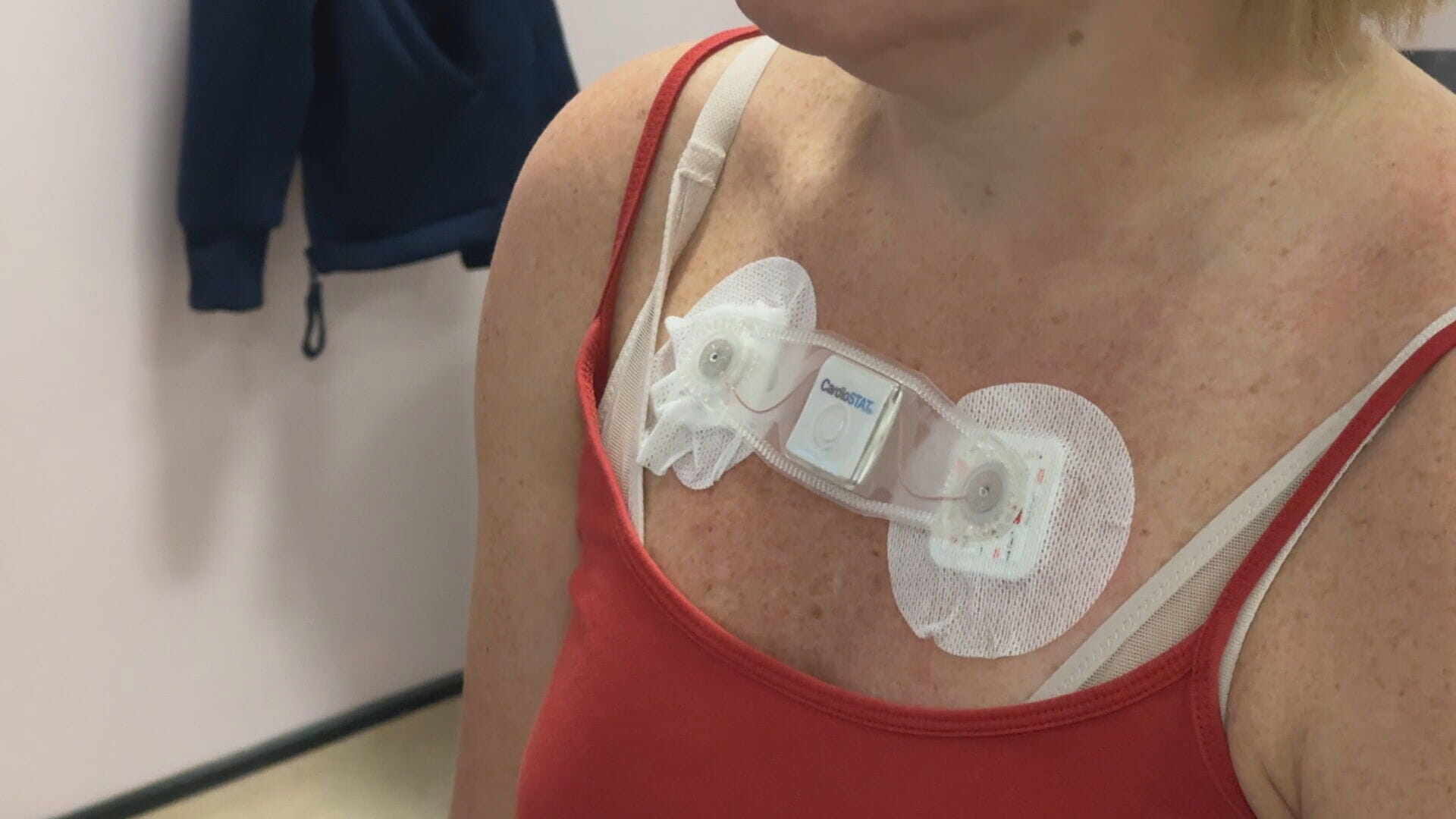 STV News
Dr Neil Ritchie, medical director of NHS GGC’s Interface division said: “We feel we have to do things in a different way. Simply continuing with our older models without innovating isn’t going to give us the benefits that we need within the population. So, we would see this as having a significant impact, both on reducing the pressure in our hospitals but actually allowing people to be cared for in fundamentally a better way.”
Clinicians have described the ECG patch as a “game changer”.
For Dr Katriona Brooksbank, it meant swapping her role as the Innovation Hub’s Research and Innovation Lead for that of patient.
Katriona has high blood pressure and after some “unusual” ECG readings, her cardiologist suggested further monitoring over seven days.
Within minutes of being fitted with the patch, she said she barely noticed it.
Katriona added: “It did feel a bit odd at one point in the week, when I found myself teaching students about medical devices whilst wearing one.”
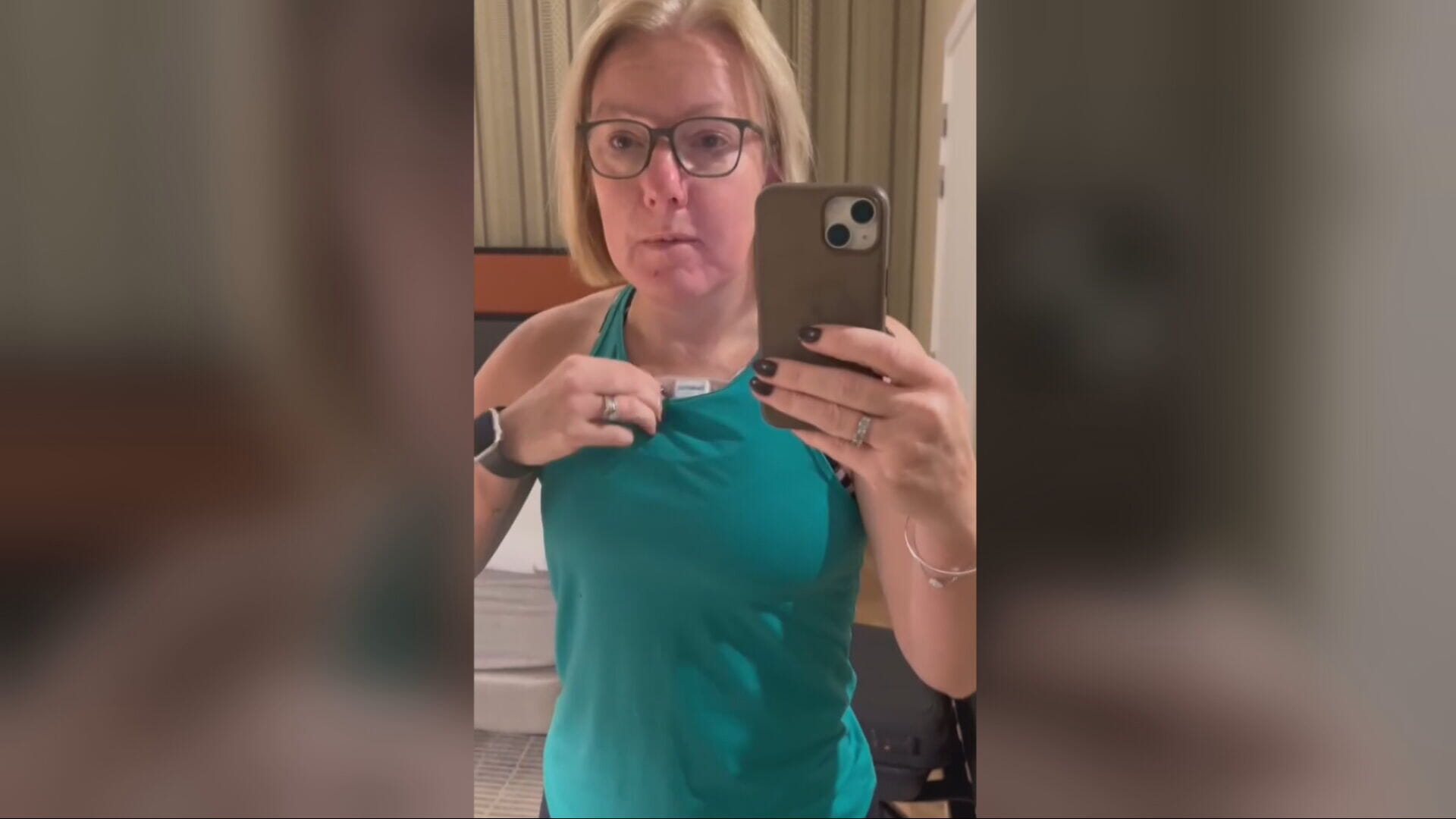 STV News
She kept a video diary for STV News as the patch tracked her heart during a busy week, including flights through Glasgow and Heathrow, work trips abroad, gym sessions and daily showers.
“All of the things that I was a little bit nervous about, especially showering and going to the gym, were absolutely fine.”
When the seven days were up, she had to post the device back for the results to be analysed.
“Once I had posted it back, I had 24 hours of thinking ‘Oh I wonder if my phone will go off?’ as I knew I would be contacted if they were concerned about anything. That did not happen.
“What I did get was reassurance that everything was okay. As long as I keep taking my medication, I will be okay.”
She added: “It has helped to remind me why we do what we do, which is to improve patient access to the right care at the right time using safe technologies.”
‘Vast improvement’
 STV News
The ECG patch is a modern alternative to the bulky Holter monitor. Patients can currently wait around 12 months for a Holter test, followed by another two to three months for results.
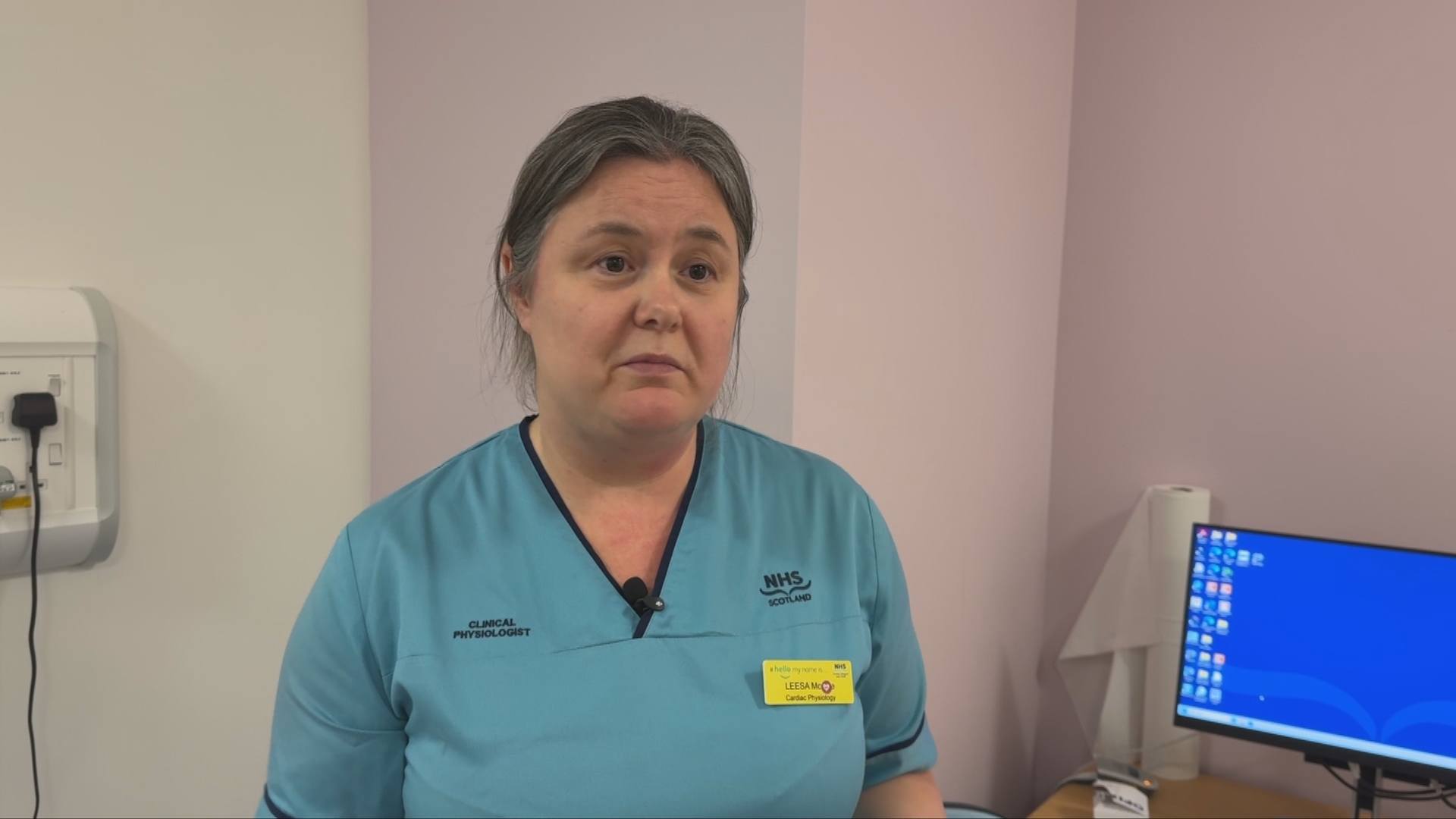
Cardiac physiologist Leesa McCue said the new system is much quicker.
She explained: “The results are sent through to us electronically so the doctors can access them quickly. If there is something abnormal, it comes in within 24 hours. If there is nothing abnormal, it can take maybe five days, but it’s still a vast improvement.”
The pilot runs alongside a national rollout for stroke patients, supported by £1.9m in Scottish Government funding. Around 8,000 recent stroke patients a year are expected to benefit.
Research suggests the patches could prevent 689 secondary strokes and 319 deaths over five years.
Professor James Leiper, research director at British Heart Foundation, said: “It is brilliant to see NHS Scotland adopting innovative new approaches such as this ECG patch which is delivering real world benefits for patients.
“This patch is going to help reduce waiting times for diagnosis and allow patients to receive care nearer to home and will prevent future strokes and, ultimately, deaths.”
Follow STV News on WhatsApp
Scan the QR code on your mobile device for all the latest news from around the country