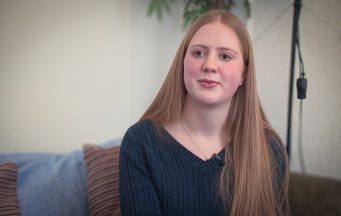
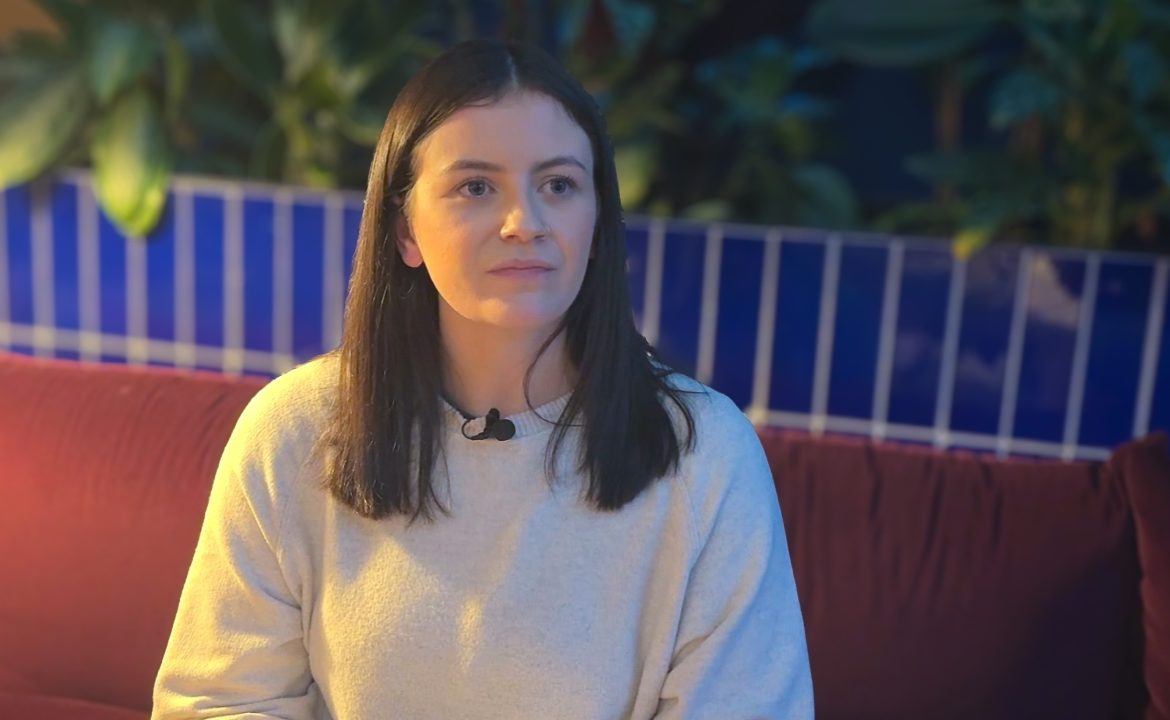
A Glasgow student has described living with premenstrual dysphoric disorder (PMDD) as feeling like “waking up from a nightmare” every month.
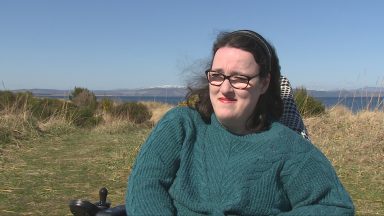
Katie Cook, 21, originally from the Hebrides, was diagnosed last January after a decade of “horrible” symptoms.
Her struggles began when she moved to boarding school. She experienced agonising pelvic pain, heavy periods and intense emotional crashes.
Doctors dismissed it as normal hormones, but her symptoms worsened.
Her experience is shared by many across the UK. Of the 18 million people of reproductive age, around one million are affected by PMDD.
Campaigners say the true figure is likely higher due to widespread underdiagnosis.
Katie told STV News: “I was told it was part of being a young teenager, you’ll grow out of it. I kept going to doctors but they just weren’t budging. It caused me to start to isolate.
“I would be crying before I left the house to go to school but I didn’t want my mum and dad to see.
“I felt like these symptoms were severe and it was embarrassing to talk about. It wasn’t something I shared very openly.”
 STV News
PMDD is a severe hormone-based mood disorder linked to the menstrual cycle. Symptoms typically occur in the one to two weeks before menstruation and can include insomnia, anxiety, panic and overwhelming dread.
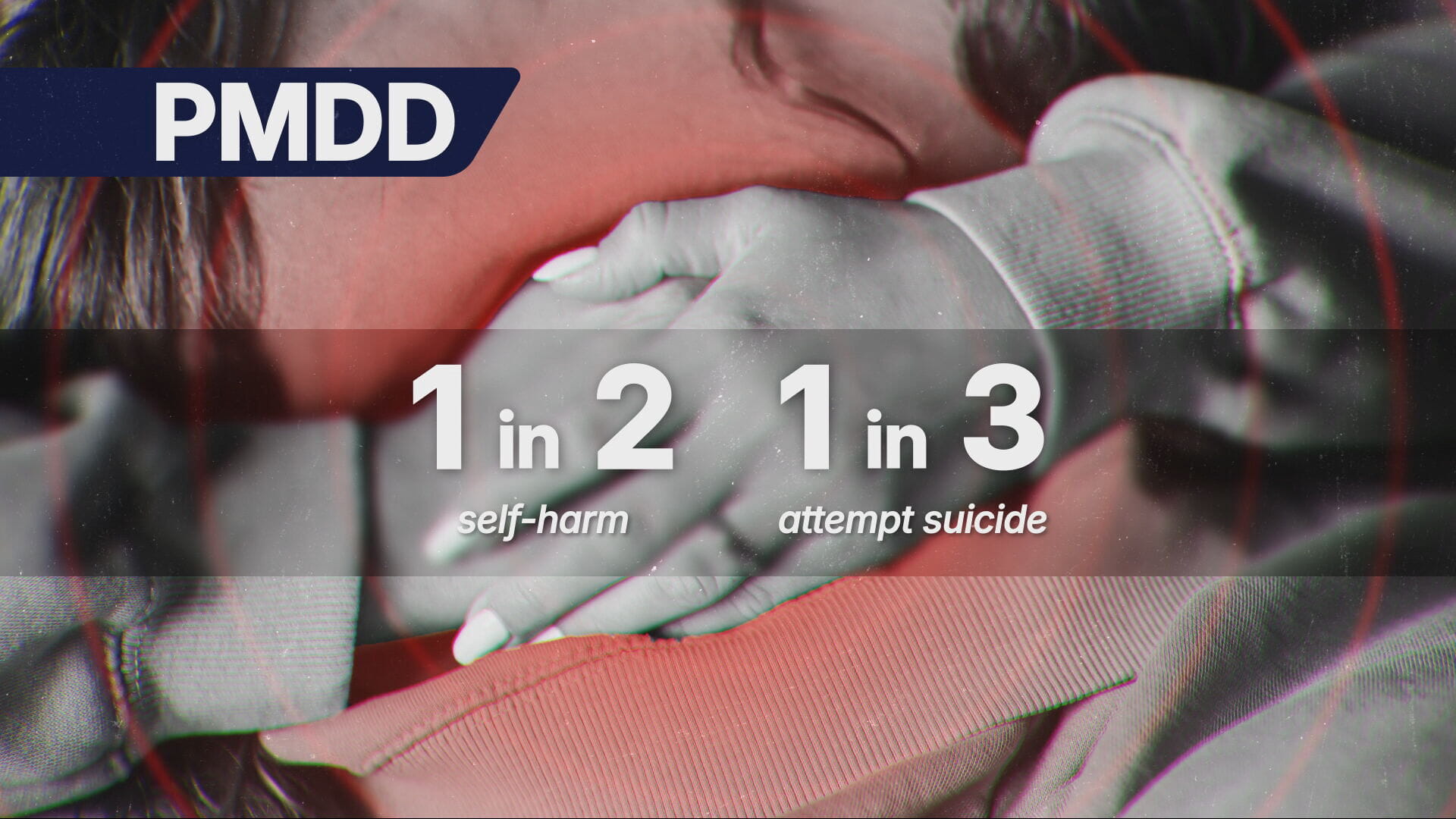
The condition is associated with significant mental health risks. Studies suggest around half of those affected self-harm, most experience suicidal thoughts, and around one in three attempt suicide.
‘Your mind can be a horrible place’
Throughout her teens, Katie experienced severe mood swings, rage and feelings of worthlessness in the two weeks before her period. She withdrew from friends and family, believing she was “a burden”.
“Your mind can feel like a horrible place to be in,” she admitted.
“Two weeks of the month I go to university, go out with friends and enjoy my life, and then one day it comes crashing down.
“It’s like the world is ending; I don’t know what my purpose in life is anymore and a huge fog just comes over your whole life.”
Katie, who studies psychology at Glasgow Caledonian University, says the emotional outbursts are among the hardest symptoms to live with.
“You could have an outburst one minute and say something you didn’t mean. You get upset because it’s like you’ve got a split personality, even though that’s not what you’re really like.
“You’re scared of pushing people away from you. You think, why would people want to help someone that feels like that two weeks of the month?
“Unless you’ve gone through that or similar you really can’t grasp how it feels. Your world turns upside down.”
Convinced something was seriously wrong, Katie began pushing for answers in her late teens.
She claims that during one appointment, a doctor suggested pregnancy might alleviate her symptoms – leaving the then 19-year-old stunned.
“I just blankly looked at her. I’d built so much courage to come here to talk about it and you’ve suggested that. Now I look back and try to adopt the perspective that that person was uneducated as well.”
After finally receiving a diagnosis last year, Katie says her health journey has taken a more hopeful turn. She has been prescribed an SSRI and is undergoing further investigations into her pelvic pain.
She also launched a TikTok account to raise awareness of PMDD and encourage others to advocate for themselves in medical settings.
“I’ve learnt a lot from my experiences of staying silent; it doesn’t help anybody. It doesn’t help you understand or move further forward.
“When you’ve got someone sitting in front of you who’s maybe 20 or 30 years older than you, they’re very trained in their profession, you feel like you can’t question what they’re saying. That’s another reason people are terrified.”
Alongside medication, she uses coping strategies such as exercise and journalling, and volunteers with a support group for women with PMDD.
“It’s really nice because people can message in the middle of a crisis, ‘I don’t know what to do, I don’t know how to speak to family or friends’. Some people don’t have that support.
“Online, you know you’re speaking to strangers who won’t judge. We don’t know each other that well, but sometimes it’s easier to speak to someone like that.”
‘PMDD can be frightening for sufferers’
 STV News
The UK branch of the International Association for Premenstrual Disorders (IAPMD UK) is launching the country’s first dedicated research agenda into PMDD.
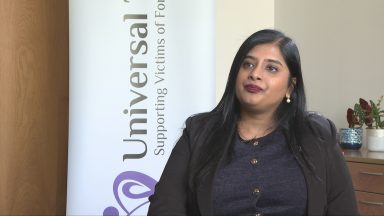
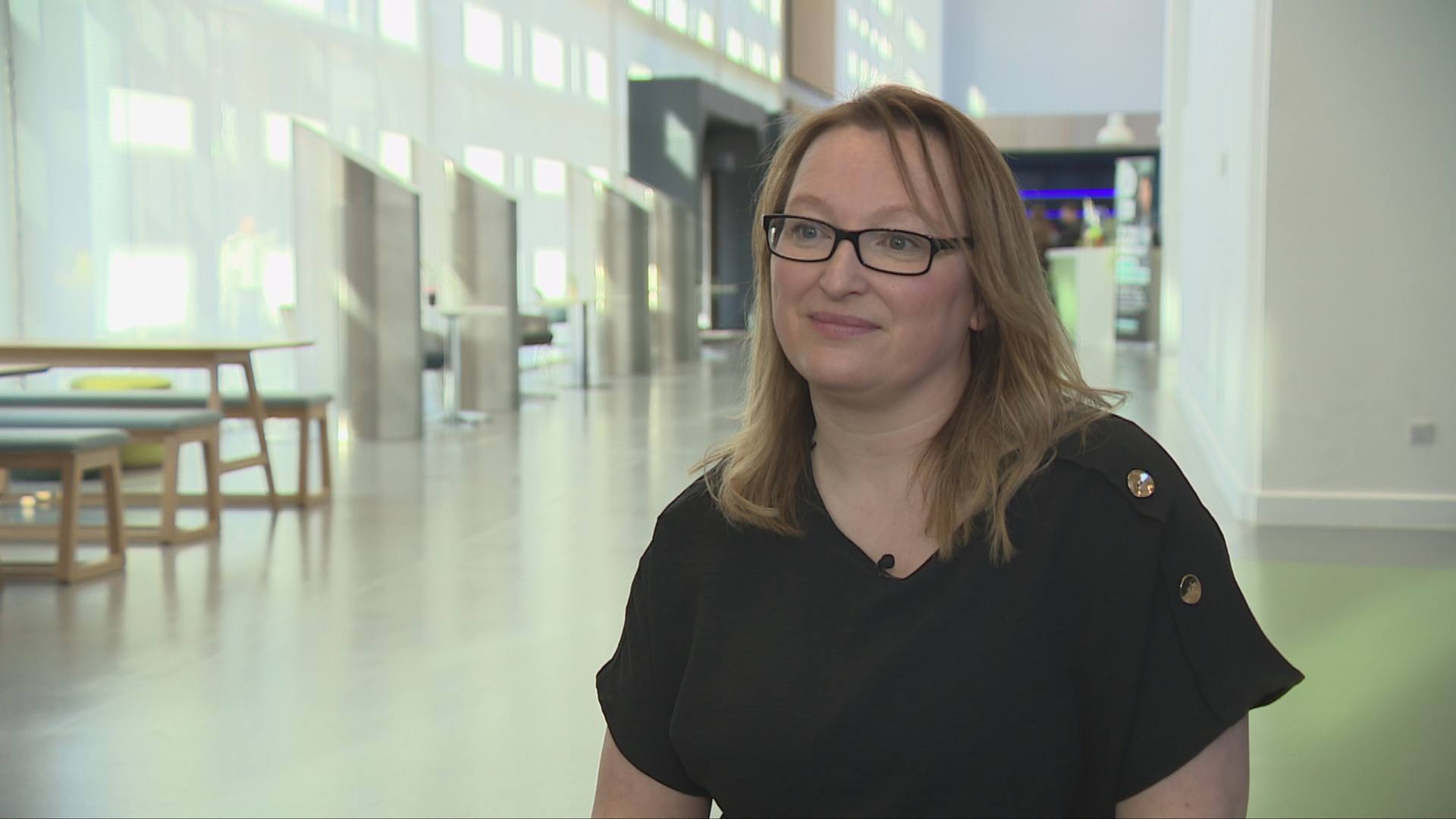
Trustee Dr Lynsay Matthews, a public health lecturer at the University of the West of Scotland, says the condition is frequently dismissed as severe PMS or misdiagnosed as bipolar disorder or borderline personality disorder (BPD).
“PMDD has a really debilitating impact on the lives of people who live with it across their whole lives,” she said.
“People describe PMDD as a confusing disorder; they have a dual personality, a ‘Jekyll and Hyde’ experience, leaving them feeling confused and frightened.
“They sometimes engage in destructive behaviours at certain phases of the menstrual cycle – disordered eating, substance use, or other behaviours – that they don’t understand when they feel themselves and healthy.
“PMDD impacts all parts of life: education, employment, finances, and relationships. But there is so little data that has been generated here in the UK; that’s a big gap to fill, which is important for people improving their quality of life.”
Katie has welcomed the initiative, calling it “a huge lightbulb moment” for women’s health.
“To go that extra mile to implement research funding – it gives you a lot of hope for the future for someone with PMDD that there might be some sort of treatment one day.
“There are researchers and medical professionals out there that genuinely really care about the topic and want to strive for a change. I think that’s really positive.”
Find out more about IAPMD UK.
Help and support is available now if you need it. Details of services available can be found at stv.tv/advice
Anyone feeling emotionally distressed or suicidal can call Samaritans for help on 116 123 or email jo@samaritans.org
Follow STV News on WhatsApp
Scan the QR code on your mobile device for all the latest news from around the country