 STV News
Prison inspectors have highlighted the “insidious consequences of overcrowding” in Scotland’s jails in their latest report.
His Majesty’s Inspectorate of Prisons for Scotland visited Low Moss prison, on the outskirts of Bishopbriggs in August last year.
One of the “most troubling aspects” identified in the inspection was the high caseload for staff in the prison’s substance use team.
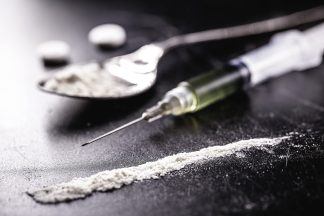
The report said that both Scottish Prison Service (SPS) staff and NHS workers at the prison “provided care and support for those under the influence of illicit substances” – but added that some nurses on the substance use team were supporting up to 86 patients.
Their report revealed that almost two thirds (63%) of inmates there had seen staff abusing, bullying, threating or assaulting other prisoners – with almost half (48%) saying staff had behaved like this to them.
And while there were “strong operational responses by the prison to violent incidents” the inspectors stressed there was a “need for more strategic prevention focused activity” as well as “targeted improvements in relation to violence reduction and drug testing”.
Meanwhile the prison’s social work team was said to be “under the most pressure”, with the report highlighting a “significant backlog in risk assessments”.
Built with the capacity to hold 784 prisoners, when the inspectors visited in August 2025 there were 835 inmates in Low Moss – with the report stating that 100 additional spaces at prison had been created by “overcrowding cells”.
The report told how “significant management effort” was spent finding suitable accommodation for incoming prisoners – with pressures in the rest of the prison estate meaning Low Moss can take in inmates from as far afield as Peterhead.
The report said: “The inspection of HMP Low Moss represented another case study in the insidious consequences of overcrowding in Scottish prisons.”
It added that the impact of this was felt by “prisoners who share single cells that are below the minimum space standards recognised by the Council of Europe and the International Committee of the Red Cross”.
But the report also said overcrowding had led to the loss of a dedicated first night in custody unit – which had been established to help those just entering the prison – with this no longer operating “because of the difficulties of managing the population, leaving a poorer experience for new admissions”.
In addition overcrowding also impacted the “quality of work staff are able to engage in for those in their care”, the inspectors said.
Their report also told how the prison relied on people working “ex-gratia, overtime and bank shifts to cover the extra staffing agreed for the overcrowding”.
But the report warned: “Using overtime on a long-term basis is unsustainable and, with no sustainable plans to reduce the overpopulation, staff were left exhausted and unwilling to work the extra hours.”
The “understandable focus” of prison staff was on ensuring prisoners had their “basic entitlements” – such as visits, meals, time in the fresh air, and recreation, but this came “at the expense of personal officer work, and prisoners’ access to employment, education, case work and gym”.
Meanwhile the NHS team at the prison meanwhile relied on bank staff to cover four out of five backshifts with the inspectors adding that this “risked compromising the delivery of safe and effective care, particularly in the context of additional demands such as managing prisoners’ taking of illicit substances”.
An SPS spokesperson said: “Since the inspection, almost 12 months ago, a full regime and attendance pattern review has been implemented resulting in substantial changes across several areas referenced in the report.”
But the inspectors also found “many impressive things” at Low Moss, with the report stating that “critical areas of the prison” were “functioning well”.
The SPS spokesperson said: “We welcome the Chief Inspector’s report on HMP Low Moss, which acknowledges ‘impressive’ work across key areas of the prison, including reception, recovery and life skills, as well as the positive impact of the prison’s partnership with Early Years Scotland in supporting families, despite the population pressures staff continue to manage.
“It is also pleasing that they found a strong culture of collaborative working between the NHS and SPS leading to improved patient outcomes for the prison population.”
A Scottish Government spokesperson welcomed the report and said: “We are pleased that the inspectorate highlights key strengths, including positive family interactions, strong relationships with Family Contact Officers, and the range of high-quality purposeful activity available to prisoners.
“These should continue to be encouraged to support preparation for release.”
The spokesperson added: “The high prison population in Scotland continues to place pressure on staff and the regime at HMP Low Moss, as is evident in areas such as integrated case management, healthcare and cell sharing.
“We are committed to improving the quality of care for individuals in custody and will work with partners to address these concerns.
“Despite these challenges, we welcome the areas of good practice identified, including healthcare inductions and person-centred treatment through the Talk to Me – the Scottish Prison Service’s crisis response policy for individuals at risk of suicide.”
Follow STV News on WhatsApp
Scan the QR code on your mobile device for all the latest news from around the country