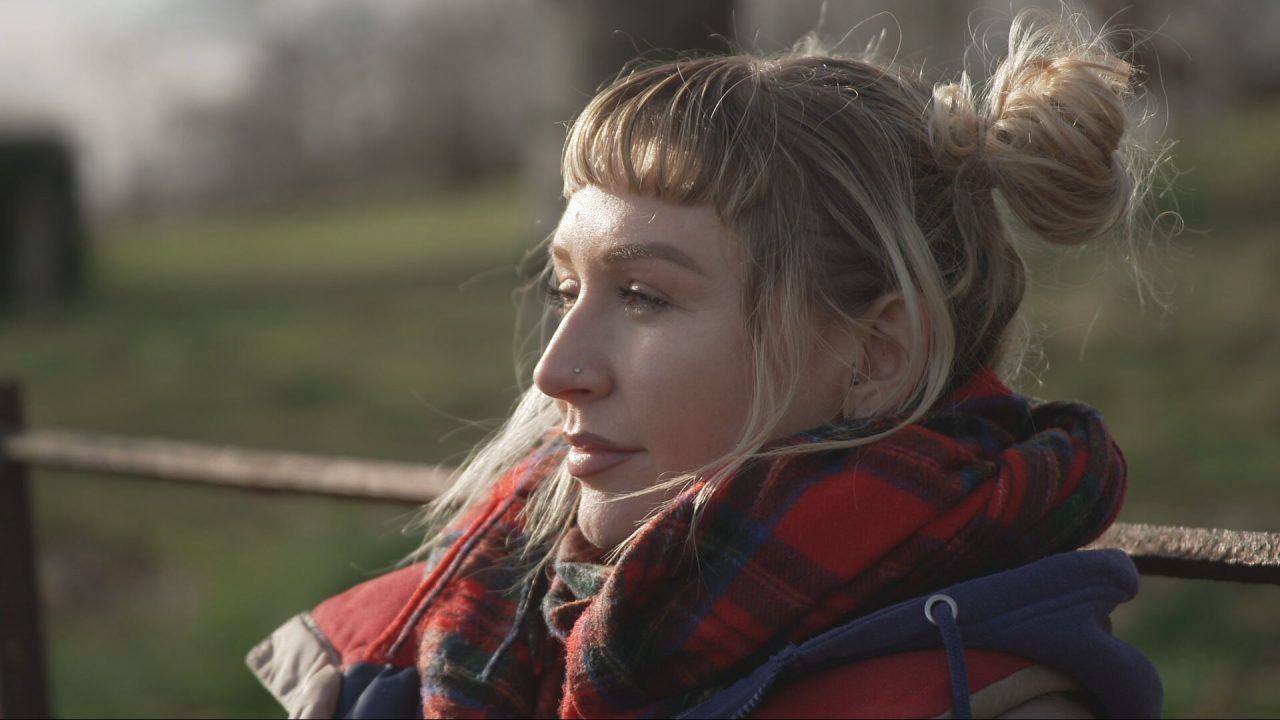
Roisin McCarney was just 24 when a doctor told her she was “99% sure” the mole she had come to get checked was melanoma.
She had gone to the appointment alone, so the shock was immediate and overwhelming when the news was delivered.
“As soon as those words hit, I just thought, ‘What?’,” Roisin told Scotland Tonight.
“I think in movies they actually describe it as everything going silent and that is genuinely what happens. It was pretty horrific. I was just in floods of tears.”
“At 24, you just never expect cancer. It’s never going to be you.”
For the Glasgow singer, it was the beginning of a cancer journey that would span her 20s, forcing her to confront the years she had spent using sunbeds in pursuit of a tan.
Doctors removed several moles and began treatment, unsure at first whether the cancer had spread.
Roisin responded well and was told she was cancer free. But two years later, it returned.
“I think when it comes back a second time, more fears get brought up. I think I was quite naive at 24 and I thought, that’s me done. That’s it. It’s gone forever.
“Everything is on pause while everything else goes on. At 28, a lot of my friends were getting married, settling down, moving on with their lives, and here I was, stuck again.”
‘I was hooked on sunbeds’
Now 30, Roisin has made changes to her life to enhance her well-being. But she’s also had to reflect on the past – and the choices she made when she was younger.
Roisin worked in a tanning salon part-time from the age of 18, using the sunbeds during her four years there.
“We got 60 minutes free a month. And when you’re 18 years old, you’re going to take it.
“I was always told that if you had sunbeds before you went on holiday, you wouldn’t burn. So that was actually what led me into using sunbeds in the first place.
“As soon as I started doing that, was me hooked because I was just loving being tanned. I’m very pale. So I was just hooked on being tanned.
“I think everybody feels better with a tan. When you come back from holiday, you’ve got that glow, everybody feels better and you just get addicted to feel them and looking like that.”
She added: “You do get made to sign a waiver, but again, when you’re 18, you’re thinking, ‘that’ll never happen to me, or if it does, I’ll be well old by the time cancer’s ever even mentioned in my vicinity.'”
Roisin’s experience reflects a wider trend. Since the early 1990s melanoma rates in Scotland have more than doubled.
Around 1,500 people are now diagnosed with melanoma each year – a 106% increase on the early 1990s – while deaths have risen by 29%.
Dermatologists say the vast majority of skin cancers are caused by ultraviolet (UV) radiation from both the sun and sunbeds. And it is not just affecting older people.
‘There is no safe way to get a tan’
 STV News
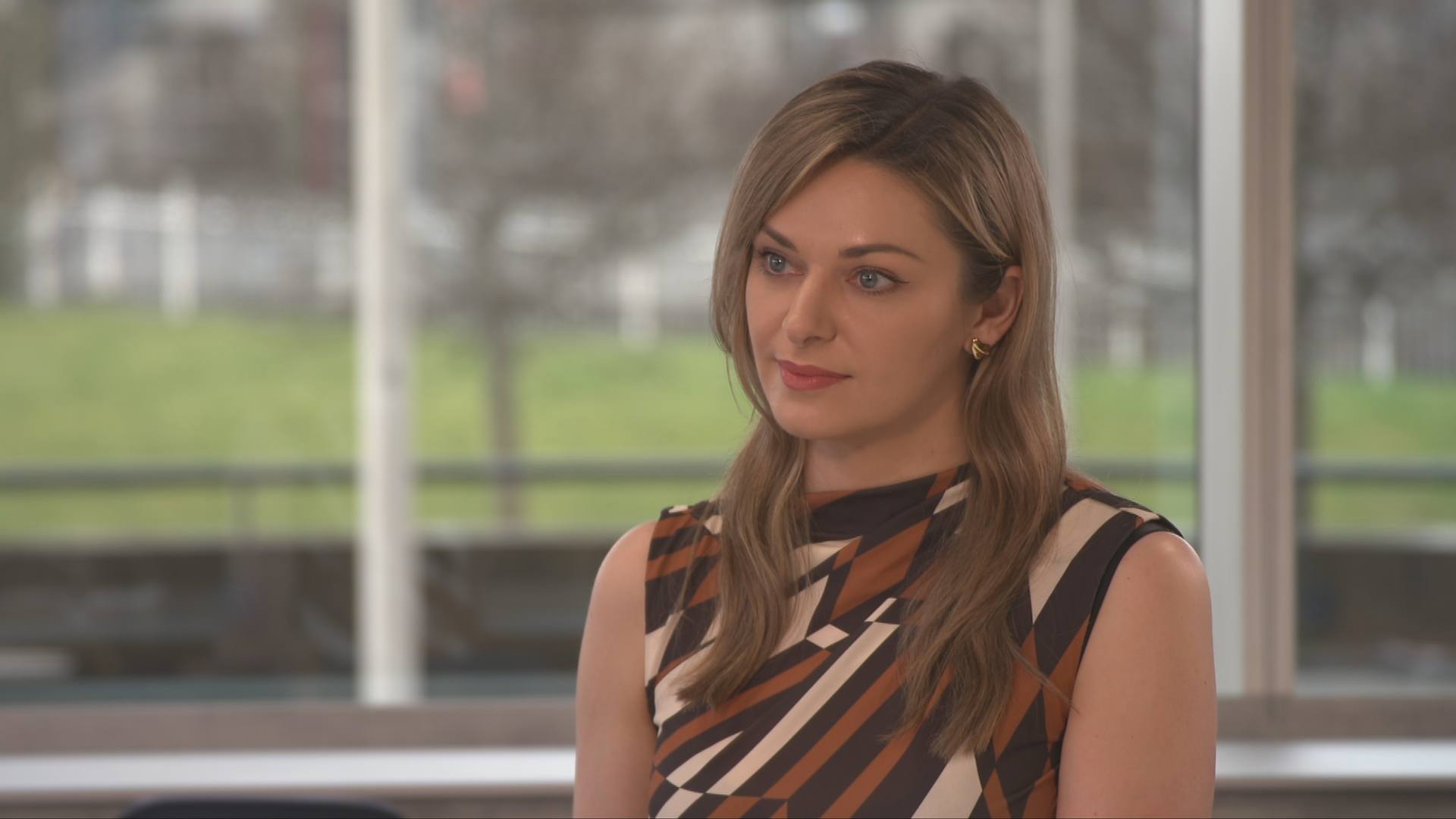
Dr Amy Perkins, who specialises in skin cancer prevention, says around 90% of cases are preventable.
“Every time your skin changes colour in response to UV, it is being damaged. There is no safe way to get a tan. Even using a sunbed just once can increase your risk of skin cancer significantly.
“Everyone loves the summertime to go outside and get the good weather. However, that UV radiation, if we get a certain amount of it, interacts with our skin and damages it permanently.
“And if this happens in the perfect conditions, then this eventually can cause skin cancer.”
According to the charity Melanoma Focus, almost a quarter of Scots (24%) use sunbeds at least once a year – and one in five (21%) use them at least once a month.
Around 45% report burning annually – rising to 65% for 19 to 32-year-olds.
While Scotland banned under-18s from using sunbeds in 2009, experts remain concerned about persistent myths around “safe tanning” and building a base tan before holidays.
‘Sunbeds are safe if used responsibly’
Frank Taylor owns one of the UK’s largest chains, Indigo Sun.
“It is safe to use sunbeds if they’re used responsibly,” he told Scotland Tonight, adding that his salons are supervised and carry out ID checks before allowing sessions.
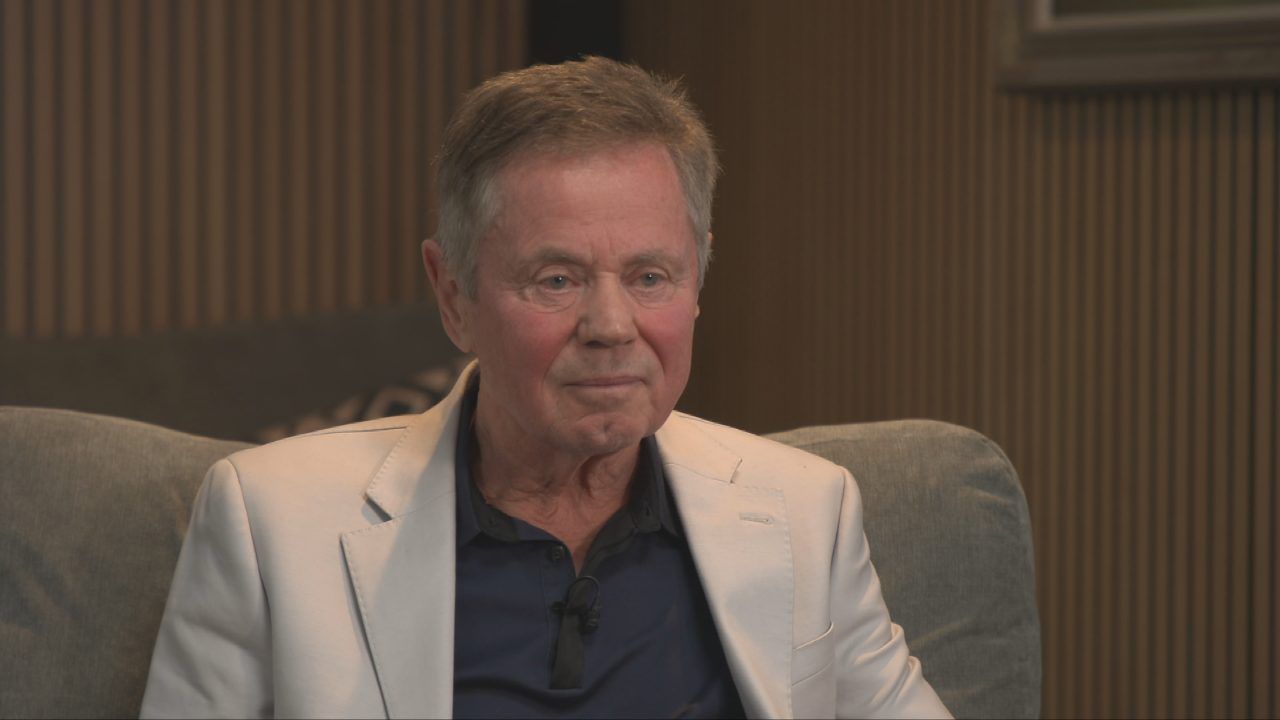
“Then and only then will they be allowed a session,” he said. “And if the customer says, I’d like, say, 15 minutes, they won’t get 15 minutes. We’ll start them at a low level to check for any reaction. So it’s perfectly safe.”
Last year, Indigo Sun ran an online advert promoting the health benefits of sunbeds, citing research from Edinburgh University.
The Advertising Standards Authority ruled the advert was misleading, saying the research was not robust enough to support the claims.
Its guidance is clear: “When advertising sunbeds or tanning service, don’t claim that sunbeds are safe or provide health benefits.”
Indigo Sun pulled the advert, but a section of its website still references the research paper.
Frank said: “What I have on the website is I have that paper from Edinburgh University. It’s still there. It says the same things, but I’ve put no interpretation on it. It’s a scientific paper and I think, let people see it and read it for themselves.”
‘Significant risks’
Public health bodies, however, remain clear that sunbeds carry significant risks.
The British Association of Dermatologists “strongly advises against using sunbeds” and that it’s a “mistake to assume” our climate makes intentional sunbed use “safe”.
“I find the number of people still using sunbeds in Scotland and the UK in general extremely shocking because there is hard and fast evidence that sunbeds are causing a huge boom in skin cancer and they’re making people look older.
“Now the thing is I do not blame individuals. This is not blaming individuals using sunbeds. What I do blame is the sunbed industry.”
For many young people, ideas about tanning are shaped online where sunbeds are often portrayed as beneficial.
Dr Amy Perkins uses social media to challenge those claims and share evidence about the risks of UV exposure.
“For me, the only safe way that we can really get across how dangerous sunbeds are and just how much damage they are causing is with a complete ban on sunbeds.”
Roisin has also turned to social platforms, posting images of her scars and treatemnt in the hope of encouraging others to think twice.
“What has been refreshing is the amount of messages that I’ve had from people saying, ‘I actually stopped using sunbeds because you’ve been sharing this’, or ‘I stopped using this and I got my moles checked’.
“I’ve been on this journey, and it’s just nice to know that it’s not going to waste. I wouldn’t be sharing it unless I thought it was going to help people.
“In a country known for its lack of sunshine, the dangers of chasing a tan may be greater than many people realise.”
The Sunbed Association said their members are law-abiding businesses who work in a regulated environment.
A spokesperson said: “We would call for greater recognition of the role that responsible operators play in public education and harm reduction around responsible UV exposure.
“We would also warn against blunt measures that would drive millions of Britons to unregulated and more harmful alternatives, as has happened in Australia.
“There is a lot of misinformation around the debate about tanning, so we decided we would ask the public what they thought.
“We commissioned an independent poll carried out by YouGov and the results were fascinating. Almost three out of four UK adults (73%) agree that sunbed use should be a personal choice as long as regulations are followed.
“That is a hugely powerful message and one that policymakers should heed.”
Follow STV News on WhatsApp
Scan the QR code on your mobile device for all the latest news from around the country