Council tax, water bills, and road tax will go up from today despite measures unveiled by the prime minister designed to bring down the spiralling cost of living, as Good Morning Britain’s Ashna Hurynag reports
Households are facing a host of increases in their bills as what is being dubbed yet another “awful April” takes effect.
While energy bills are falling – for the time being at least – charities have warned that hikes to council tax, water, broadband and mobile phone costs are threatening to stretch many households to breaking point.
A number of changes to household bills previously announced by the government come into effect on 1 April. So what is changing, and what help is available for those struggling to pay?
Energy bills
Energy bills are the only household bill that are expected to fall this April, reducing by 7% for most households.
Energy regulator Ofgem’s price cap will drop from the current £1,758 to £1,641 – a reduction of £117 or around £10 a month for the average household using both electricity and gas.
However, the decrease is lower than the average £150 cut to bills pledged by Chancellor Rachel Reeves in November’s Autumn budget, when she moved 75% of the cost of the renewables obligation from household bills onto general taxation and scrapped the energy company obligation (Eco) scheme.

The energy price cap is currently in place until 30 June, raising concern that energy bills could rise significantly from July as a result of the Middle East conflict, with latest predictions suggesting this could be by well over £300 a year.
Gas prices have leapt at the fastest pace since the outbreak of war in Ukraine in 2022, after Iranian strikes led Qatar to halt production of liquified natural gas.
In the meantime, consumer groups have urged households to send in meter readings ahead of Wednesday’s changes to ensure their energy usage is billed at the lowest possible rate, and investigate fixed rate deals.
Council tax


Across England, the average Band D council tax in 2026/27 will be £2,392 – an increase of £111 or 4.9% from 2025-26, according to the Ministry of Housing, Communities & Local Government.
The figures include all additional charges, including adult social care, parish precepts and costs levied by police, fire and regional authorities where appropriate.
In Scotland, households will see rises of between 4% and 10%, whilst in Wales bills will go up by 4% to 5%.
It is the fourth year in a row that the England-wide increase has averaged around 5%, meanwhile the increases in Scotland and Wales are generally lower than previous years.
Water bills
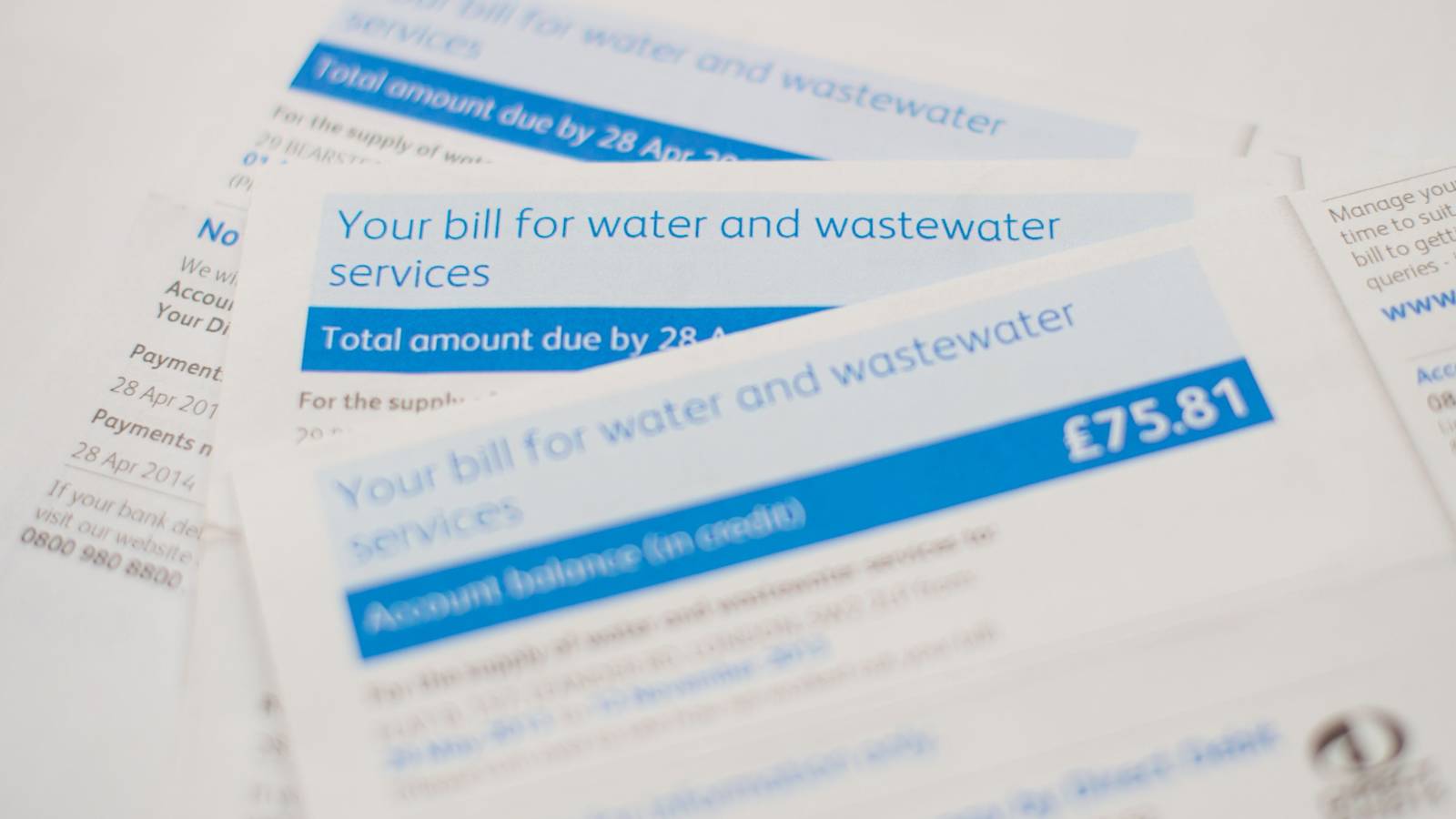
Household water bills across England and Wales are to rise by an average of 5.4%, equating to £33 a year for the average household.
There is significant regional variation in bill increases, with Severn Trent customers seeing a 10% increase, Sutton
and East Surrey imposing an 11% increase, Bristol Water a 12% rise and Affinity Water (central region) customers warned they have a 13% jump coming.
Around 2.5 million households are eligible for social tariffs, with savings of around 40%.
Broadband and mobile phones
Both broadband and mobile phone rates are rising due to annual, contractually permitted increases designed to match the rising costs of doing business and investing in network infrastructure.
Many contracts include a clause stating that monthly bills will increase every April by the Consumer Price Index (CPI) rate published in January, plus an additional 3.9%. The CPI currently stands at 3.2%.
A host of broadband providers are hiking prices by almost £50 per year. Consumer group TotallyMoney say BT, EE, Plusnet and Virgin Media are all hiking broadband prices by £4 a month, Sky by £3, and Vodafone by £3.50.
Their spokesperson James McCaffrey said: “One in four broadband customers are out of contract, paying up to £9 per month more than those in contract. If you’re out of contract, then you’re free to leave and find a better deal. If you want to stay with your current provider, pick up your phone and haggle for a new deal.”
Totally Money added that “millions” of people are out of contract with their mobile phone provider, and so also free to leave and find a better deal – with some SIM only deals available for less than £5 a month.

Car tax
Also in the Autumn budget, Chancellor Rachel Reeves announced that the standard tax rate for all petrol, diesel or hybrid cars registered after 1 April 2017 rises to £200 from today.
The exact fee for your annual road tax will be determined by the year your car was first registered, the type of fuel it uses and its tailpipe emissions.
Drivers whose vehicle was listed for over £40,000 when it was first sold, or £50,000 for an electric car, may also be liable for the ‘luxury car tax’ fee.
Electric cars no longer qualify for free road tax.
Air passenger duty
Air passenger duty (APD) will rise from £7 to £8 for a domestic UK flight in economy, from £13 to £15 for a short-haul European economy flight and from £90 to £102 for an economy long-haul seat.
APD is a tax on airlines and aircraft operators, but it is understood that the cost of this is ordinarily passed through to the consumer in prices.
APD does not apply to children under 16 travelling in basic economy.
What support is there?
Citizens Advice chief executive Dame Clare Moriarty said that struggling households “need a lifeline”.
“Many households never saw the back of the last cost-of-living crisis… Those struggling most need a lifeline.
“This should include better targeted energy bill support for people on low incomes, help with soaring rent costs, and support to help people get out of debt,” she said.
Concerns over cost of living pressures were addressed by Prime Minister Sir Keir Starmer last month when he announced a £53 million plan of support, targeted at customers who are “most exposed” to the consequences of rising oil and gas prices. Oil costs soared in response to the war in Iran, which began with joint Israeli-US strikes on February 28.
Households may be able to get help with essential costs from their local council, sometimes known as the “household support fund”.
Funding is aimed at anyone who’s vulnerable or cannot pay for essentials, such as food, energy and water bills, and essential items. You do not have to be getting benefits to get help from your local council.
Individuals can check with their local council to find out what support is available.
The Citizens Advice Bureau also offers help and advice to those struggling. Moriarty said: “With key bills such as council tax and water rising from April and global instability threatening further price shocks, we’re concerned about those who have exhausted every option to keep pace.
“So far this year, we’re helping someone every 30 seconds with crisis support – that’s food bank referrals and charitable grants. And average debt owed is hitting record levels.
“Those struggling most need a lifeline. This should include better targeted energy bill support for people on low incomes, help with soaring rent costs, and support to help people get out of debt.”
Follow STV News on WhatsApp
Scan the QR code on your mobile device for all the latest news from around the country