The chancellor has promised people will get help with their energy bills, which are being driven up by the Iran war, but support isn’t coming yet, and it won’t be for everyone.
Household energy bills have fallen on Wednesday by 7% thanks to the latest price cap, but they are expected to rise by 18% hike from July.
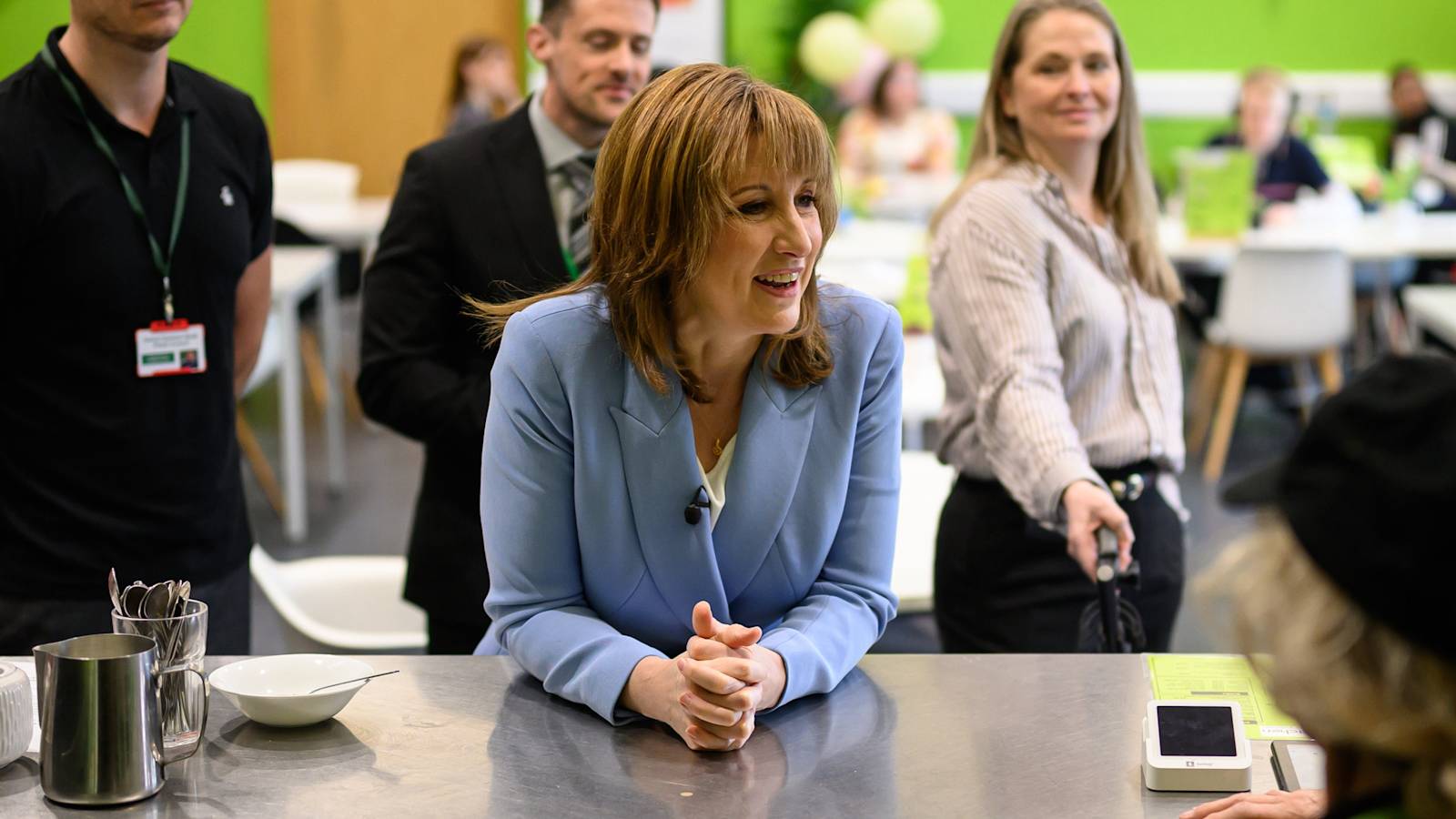
Rachel Reeves told ITV News she is using a three-month delay between price caps, when warm weather means energy consumption is lower, to assess what support could be provided.
“We’re using this time we have to work through all the different contingencies and different options, for more tailored and targeted support.
“What we’ve done so far is reducing costs for everybody’s prescriptions, trains, and of course, most of all on energy bills,” she said. “But we’re looking at what else might be needed.”
Her words come ahead of a press conference by Prime Minister Sir Keir Starmer, in which he is set to talk about both the ongoing conflict in the Middle East and government support for households.
Since fighting began in Iran, oil prices have soared in response to Tehran’s block on tankers passing through the Strait of Hormuz.
Families with a 55-litre diesel car face paying more than £100 at the pump for the first time since December 2022.
But the chancellor said she was holding off making any decision on whether to scrap a planned 1p rise in fuel duty, which is set for September.
“At the moment it’s difficult to know where we’re going to be in a week’s time, let alone in six months time, ” she said.
“So we’re working through, different options at the moment and to plan for different eventualities.”
She added: “What we don’t want to do is to have a sort of blanket approach of support during times of elevated prices, because all that means is that the same people will have to pay back that support with higher taxes, or less money for services like the NHS in the future.
“That’s why at the moment we’re working on contingency planning and tailored, targeted support.”
She said the best way to get bills down is to de-escalate the conflict in Iran and open the Strait of Hormuz, which is a critical shipping lane for moving oil from the Persian Gulf.
In normal times, the Strait would see around 20% of the world’s oil supply flow through it, but that has been reduced to almost zero since the conflict began.
Reeves, however, insisted the UK has a sufficient supply of fuel.
“We don’t have a problem with supply. There’s plenty of supply. The impact at the moment is a price impact.
“We get very little of our oil and gas from the Middle East, but we are all affected when prices go up.”
Asked if people should ration their energy usage, she said: “People shouldn’t have those concerns. They should carry on acting as normal. And they should also be confident that government is contingency planning for a whole range of scenarios.”
She pointed to action to prevent energy bills unfairly profiting from the crisis by price gouging, and said people looking for cheaper fuel can use a government service to compare pump prices.
RAC figures on Tuesday showed average diesel prices at UK forecourts were 182.8p per litre, up 40p since the start of the conflict, which brought the cost of filling up a 55-litre family car to £100.52.
The average cost of petrol is 152.8p per litre, an increase of 20p since the war began.
Ahead of his press conference, the prime minister said: “In an uncertain and volatile world, it is my Government’s duty to protect the British people at home and abroad.
“I know the public are concerned about the conflict in Iran and what it means for them and their families.
“I want to reassure them that they have a Government on their side, working with allies on de-escalation and bearing down on the cost of living.
“Today, millions of people up and down the country will see energy bills go down by £117, wages go up for the lowest paid, and more support will be available for people who need it most – because of the decisions this Government has taken.
“But we must go further to bear down on costs, and that means pushing for de-escalation in the Middle East and a re-opening of the Strait of Hormuz. That is the best way we can bring down the cost of living for families and that is my focus.”
Follow STV News on WhatsApp
Scan the QR code on your mobile device for all the latest news from around the country