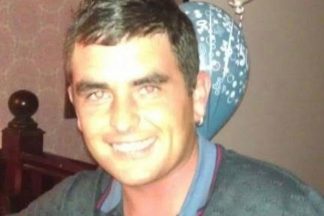
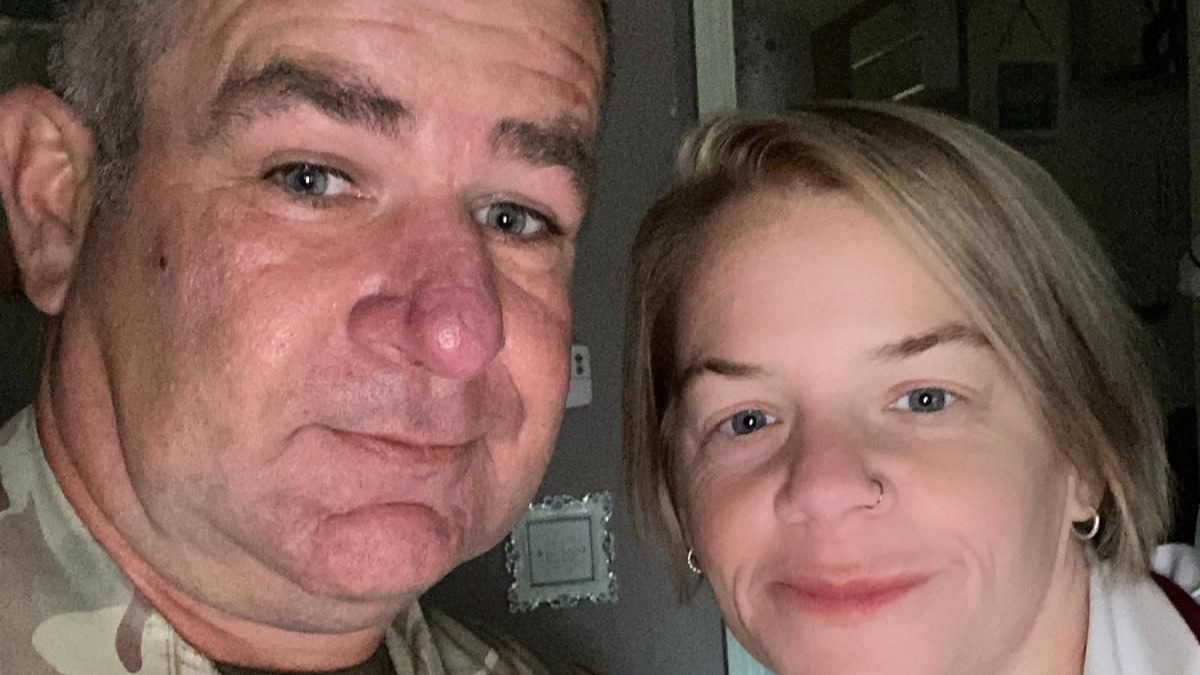
When Wayne Mallon left the army, he began to suffer frequent headaches, which can be a symptom of blast-related traumatic brain injury, as ITV News’ Geraint Vincent reports
Words by ITV News Senior News Editor, Paul Tyson
An army veteran died from an overdose of prescription drugs he took to cope with the pain of frequent severe headaches that may have been caused by his military service, a coroner ruled on Thursday.
Wayne Mallon spent 24 years in the Royal Artillery, serving two tours each in Kosovo, Iraq and Afghanistan.
He suffered from hearing loss while still in the army through “significant operational exposure” to blasts, but was otherwise fit and healthy when he was discharged.
Soon, though, Wayne began to suffer from frequent headaches.
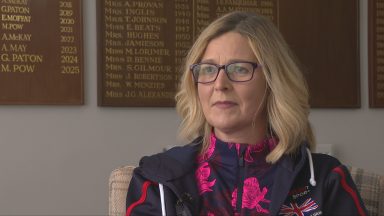
Speaking to ITV News before the inquest, his wife Jo said: “They started off quite mild, but they were getting more and more intense.
“They were increasing over time, they were getting longer as well, they were lasting a lot longer, and he’d take paracetamol, and it shifted, but then it was becoming so they weren’t working, but he just wouldn’t go and seek help, and he was taking more and more medication to deal with the pain.”
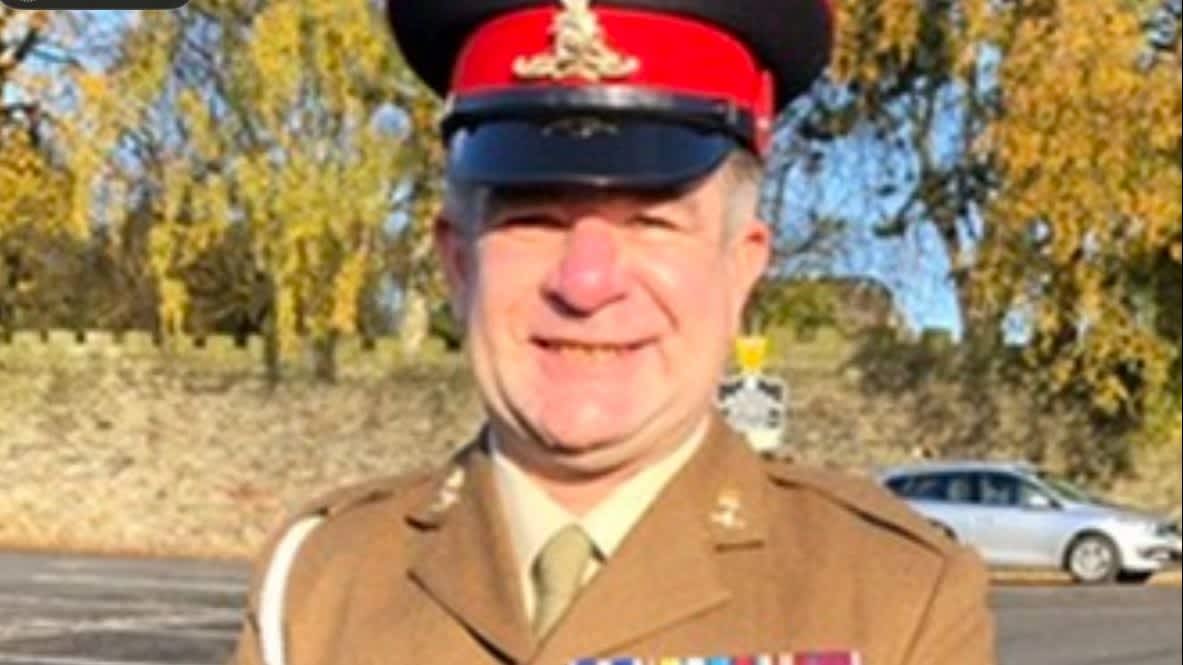
Jo believes Wayne was suffering from post-traumatic stress disorder, a psychiatric condition related to his military service, but she believes too that his exposure to blasts over many years may have physically damaged his brain.
Severe headaches can have many causes, but they are a characteristic symptom of blast-related traumatic brain injury (TBI).
Dr Steve Allder, a consultant neurologist who has studied the condition in military veterans, said: “With blast TBI, when you suspect it, the studies are really clear that one of the characteristics over five years is progressive headache.
“Seeing headache that gets worse and worse and worse and more intensive is not that common in normal civilian TBI, but it seems to be characteristic of people who have blast injuries and do badly.”
Joanne also noticed a dramatic change in Wayne’s personality.
“He used to love putting his uniform on. Pride, you know, proud that he’d served the country and things, and he just really loved his job. He was very caring, honest, quite blunt sometimes, but very caring. A family man,” she said.
“But he started to change, become more angry with life and treat people differently.
“His moods, one minute he’d be alright and the next minute he wouldn’t… It was becoming a nightmare… He was just becoming a stranger. It wasn’t the same person that I’d married.
“How he was being, that wasn’t the Wayne that we knew. That wasn’t our go out, have fun, dad, stepdad, husband. Our life completely changed when he left the army; we left the army. We lost our support.”
A former psychiatric nurse, Jo recognised some of Wayne’s symptoms as possibly linked to PTSD, but others, like personality change, are often seen in veterans suffering the effects of blast exposure.
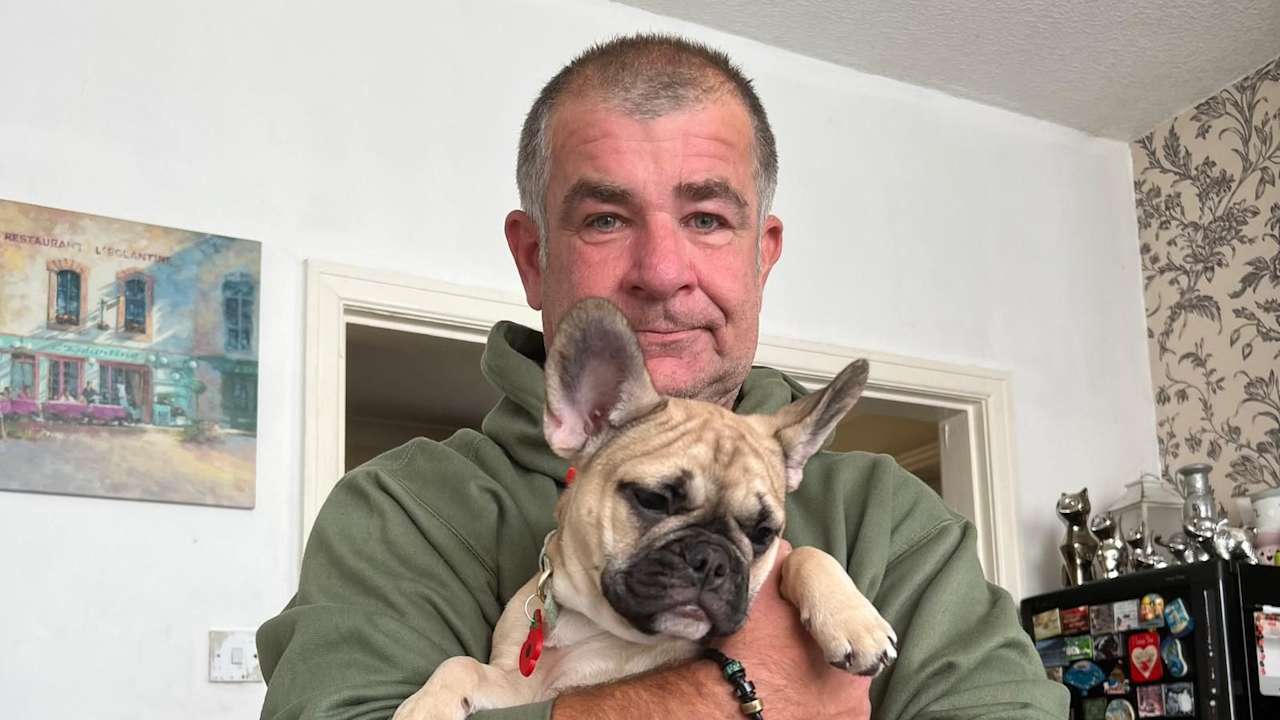
Jo said: “We’d been watching SEAL Team on Sky and they did actually mention brain trauma, and I literally was about to say something, and he looked straight at me, and he went, ‘don’t’.
“I never mentioned it again, but we’d seen it on the programme, and that got me thinking, maybe…”
In the US, many thousands of military veterans have been diagnosed with blast TBI, which can be caused by exposure to a major explosion or by repeated exposure to a low-level blast.
Research has shown that even the shockwaves from their own weapons can be powerful enough to cause microscopic damage to soldiers’ brains.
In some people, over time, this damage can reach a critical mass where the brain loses its ability to heal itself, and severe neurological symptoms appear, worsening over time.
In the UK, there is little awareness, even in the medical profession, of this ticking time bomb in the military veteran community.
“There’s no information out there. There’s nothing. It’s all in America. Well, if American troops are going through it, it’s obvious that British troops are going through it,” Jo said.
“And we’re always sending men here, there and everywhere, and women. So why isn’t it looked at here?”
In a narrative verdict, Lancashire Coroner Mrs Emma Mather concluded that Wayne died from an overdose of prescription drugs, adding: “This was done in the context of Mr Mallons suffering nightmares and headaches as a previous serving member of the military.”
Blast TBI can be detected after death only if the brain is preserved quickly for a specialist autopsy by a neuropathologist, but a lack of awareness of the condition means this rarely happens.

Noting the lack of evidence, the coroner nonetheless found: “It is possible that his headaches were caused by his time in the military.”
This is as close as any inquest in the UK has come to acknowledging blast TBI as a possible factor in a veteran’s death.
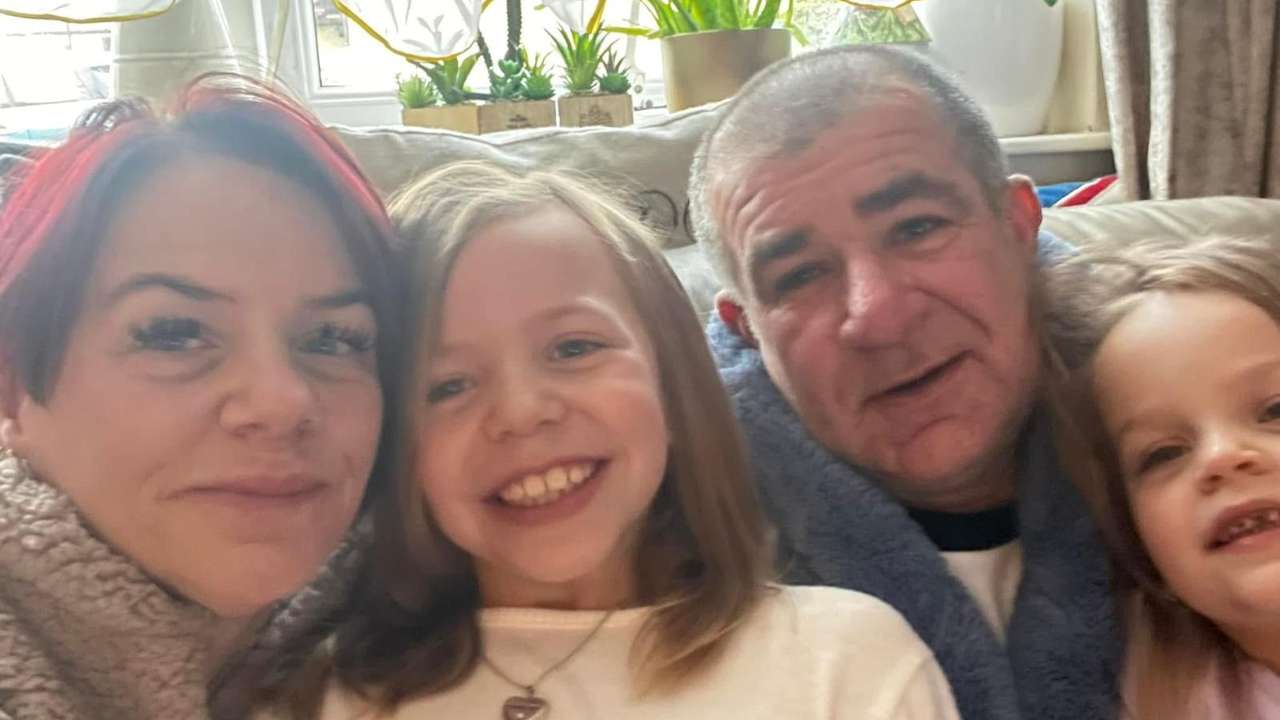
Now Jo Mallon and her daughters, Lottie, 12 and Millie, 9, are left with questions about what caused Wayne’s suffering and are angry at the lack of support for families.
“You go on the internet, and there’s nothing, there’s no support, there’s nothing and that needs to change,” Jo said.
“This needs looking into, and what I could have done with was just somebody to talk to. Somebody to say, yes, you’re not alone, you’re not alone… Just for somebody to say, well, actually, we’re looking into that, and that’s a possibility.”
A spokesman for the Ministry of Defence told ITV News: “We know blast exposure causes physical change or injury in the brain that is only now becoming detectable and recognised with recent advances in the field, and we know there are alleged long-term effects of this exposure, but causation has not yet been shown and is the subject of much ongoing research.
“We are actively working on advancing the diagnosis, management and rehabilitation of patients with Mild Traumatic Brain Injury. This includes over £4m in funding for the latest advanced research, which will help both military and civilian patients.”
Follow STV News on WhatsApp
Scan the QR code on your mobile device for all the latest news from around the country