 STV News
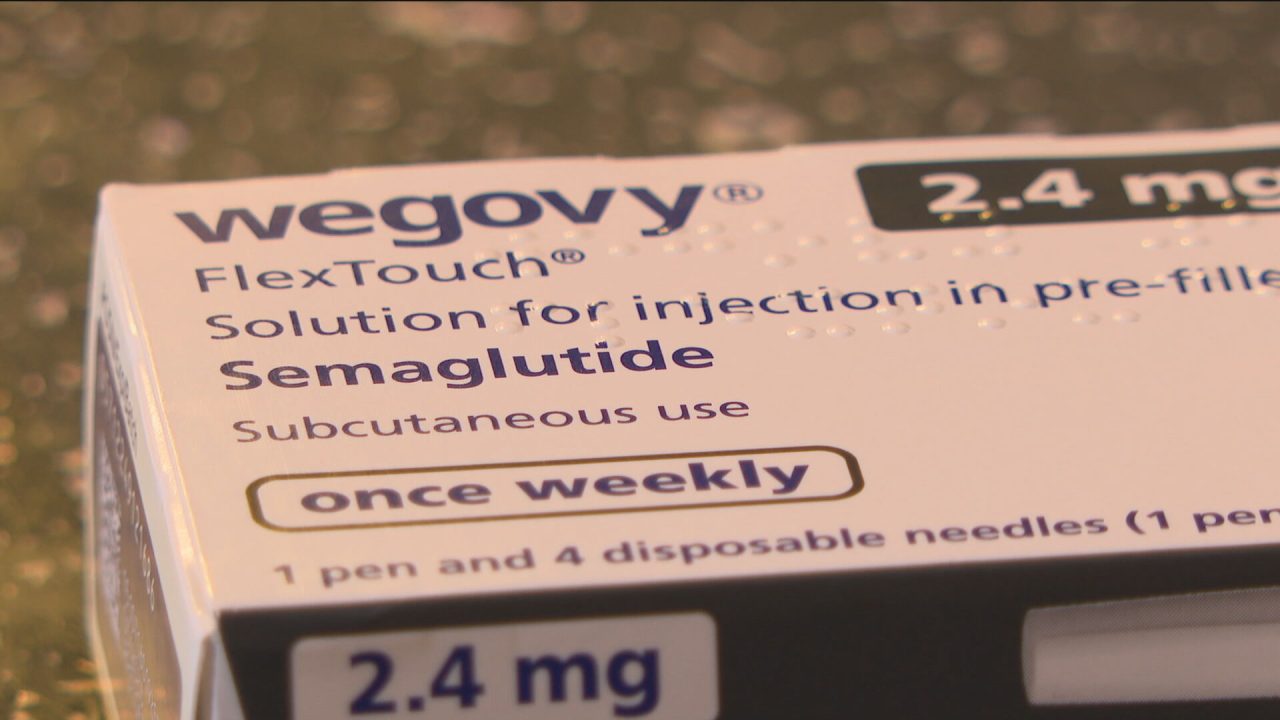
Jabs like Wegovy and Ozempic may cut the risk of life-threatening complications after a heart attack, researchers have discovered.
GLP-1 drugs were found to have a powerful effect in preventing tissue damage, which has the potential to cut the risk of serious problems that affect up to half of all patients suffering a heart attack.
Experts believe they could be given by paramedics at the scene if somebody has suffered a heart attack.
The new study was led by the University of Bristol and University College London (UCL), and looked at GLP-1 drugs, which include semaglutide (Wegovy and Ozempic).
Previous studies have shown the drugs can lower the risk of serious heart problems, regardless of a patient’s other health conditions or the amount of weight they lose.
In the new study, experts looked at how the drugs could help reverse blockages caused by cells called pericytes, which constrict blood vessels at the onset of a heart attack and reduce blood flow.
Dr Svetlana Mastitskaya, senior lecturer in cardiovascular regenerative medicine at Bristol Medical School and the study’s lead author, said: “In nearly half of all heart attack patients, tiny blood vessels within the heart muscle remain narrowed, even after the main artery is cleared during emergency medical treatment.
“This results in a complication known as ‘no-reflow’, where blood is unable to reach certain parts of the heart tissue.
“Our previous research has shown that this narrowing of blood vessels contributes significantly to ‘no-reflow’, a complication that increases the risk of death or hospital admission for heart failure within a year of a heart attack.
“But our latest findings are surprising in that we have found GLP-1 drugs may prevent this problem.”
Using mice, the team found GLP-1 drugs improved blood flow to the heart following a heart attack by activating potassium channels and thus relaxing pericytes.
This allowed the blood vessels to open up, reducing the risk of further damage to the heart.
Dr Mastitskaya told the Press Association they could be given to patients even if they have not had the drug before.
She said: “The drugs can be given by paramedics attending the patient even on the way to the hospital and/or during surgical reopening of the occluded artery. This needs to be determined by clinical trials.”
Professor David Attwell, from UCL and the study’s co-lead, said: “With an increasing number of similar GLP-1 drugs now being used in clinical practice, for conditions ranging from type 2 diabetes and obesity to kidney disease, our findings highlight the potential for these existing drugs to be repurposed to treat the risk of ‘no-reflow’ in heart attack patients, offering a potentially life-saving solution.”
The study was published in the journal Nature Communications.
Follow STV News on WhatsApp
Scan the QR code on your mobile device for all the latest news from around the country