
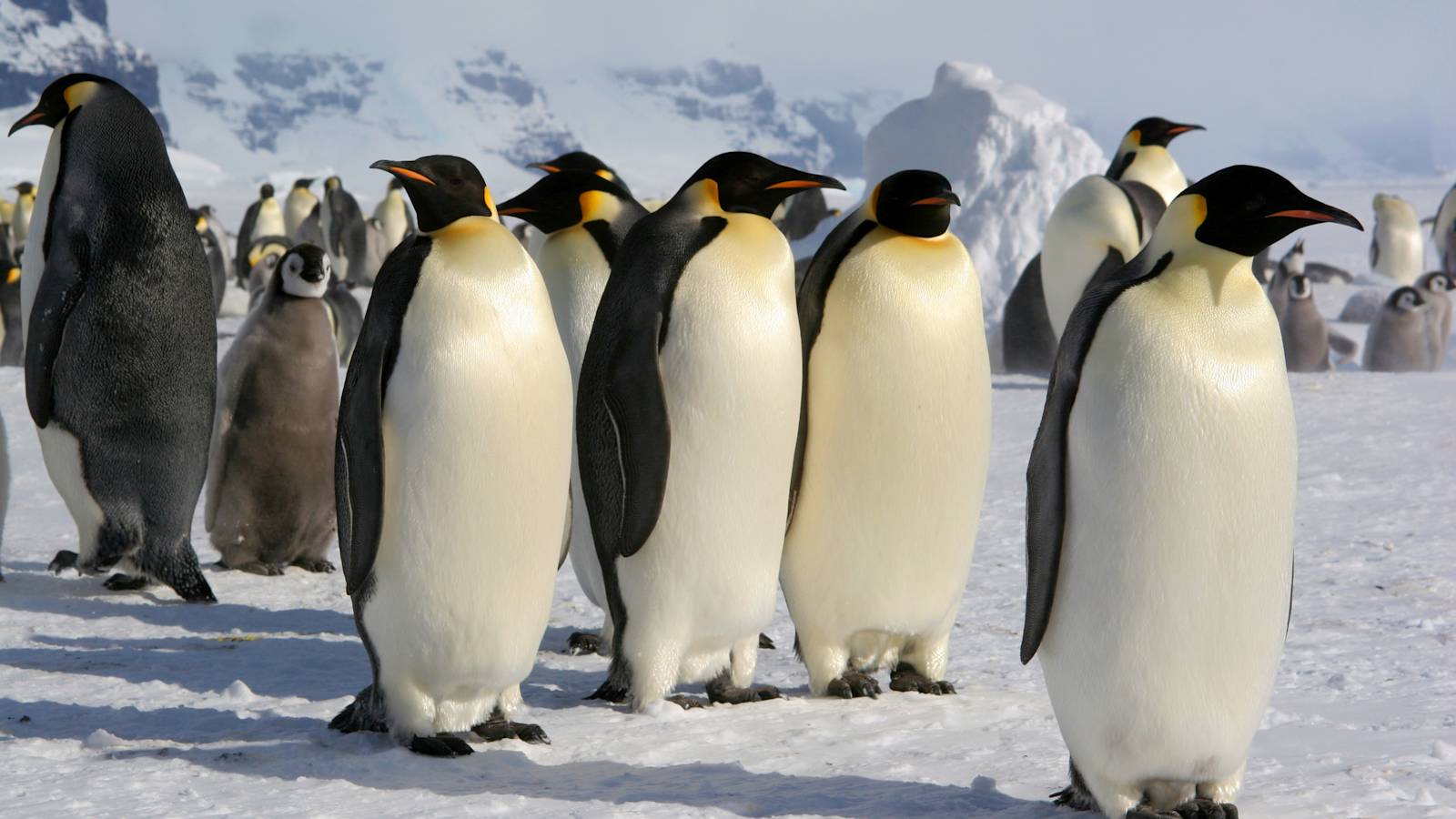
Emperor penguins and Antarctic fur seals are both facing extinction because of climate change, according to a new conservation assessment.
The populations of both species have plummeted in recent years due to a loss of sea ice and reduced food availability.
The assessment, from the International Union for Conservation of Nature (IUCN), has prompted calls for urgent action to reduce planet-heating greenhouse gas emissions.
Emperor penguin populations were found to have declined by around 10% between 2009 and 2018, equal to approximately 20,000 adult penguins.
The emperor penguin, which is only found in Antarctica, has moved from “near threatened” to “endangered” on the IUCN’s red list as global warming drives the early break-up and loss of sea ice.
New projections show that the species’ population will halve by the 2080s without an abrupt and dramatic reduction in planet-heating emissions.
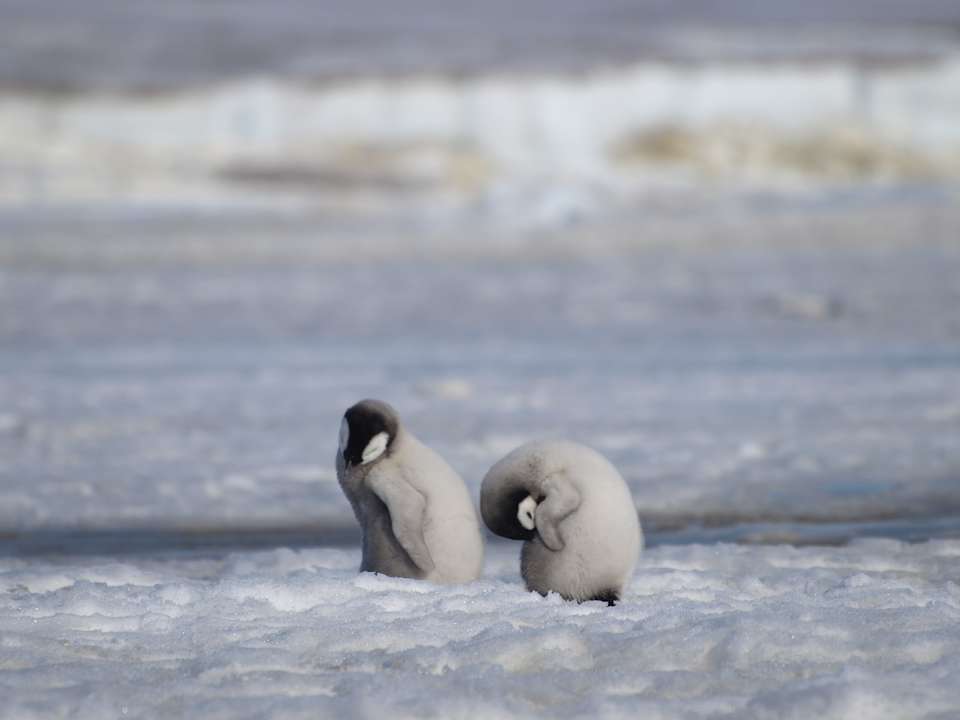
The birds require sea ice that is “fastened” to the coastline, ocean floor or grounded icebergs as a habitat for their chicks, as well as during moulting season when they are not waterproof, so its loss can be deadly.
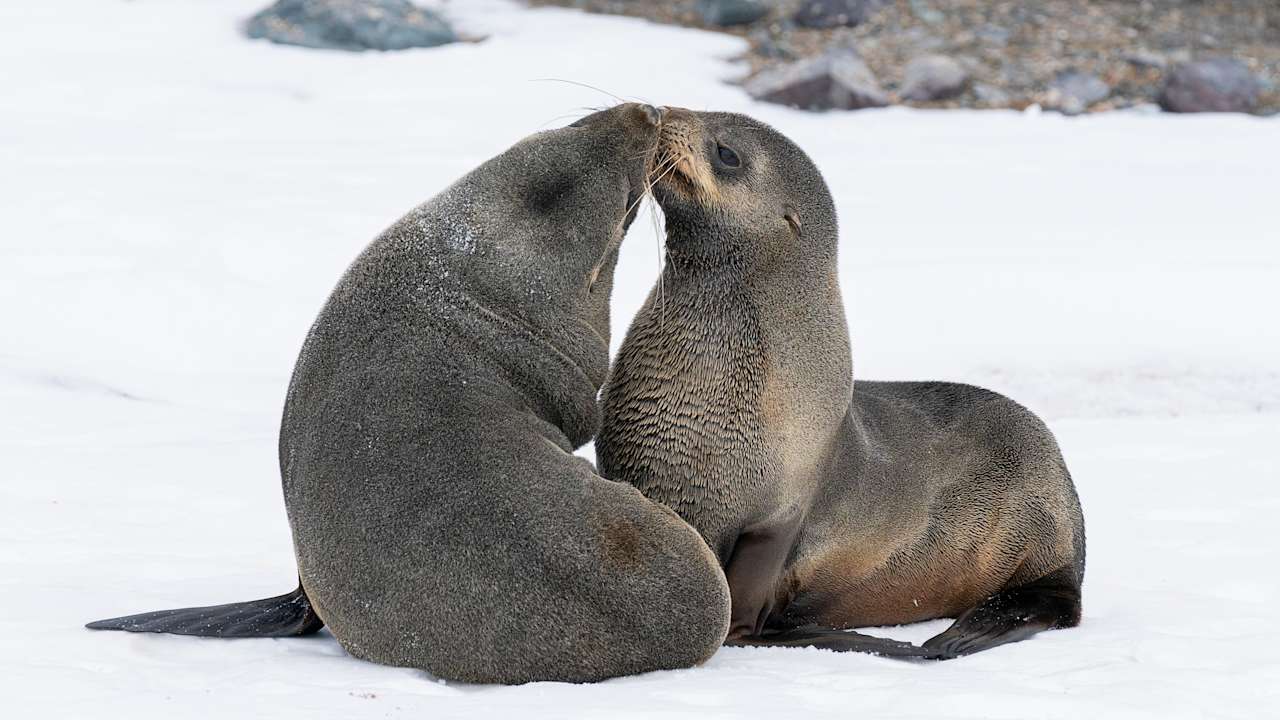
Meanwhile, the Antarctic fur seal populations plummeted by more than 50% over 25 years, prompting its category to jump from “least concern” to “endangered”.
The number of mature seals has fallen from an estimated 2,187,000 in 1999 to 944,000 in 2025 as rising ocean temperatures and shrinking sea ice push krill, a major food source, to greater ocean depths in search of colder water.
In South Georgia, an island north of Antarctica in the Atlantic Ocean, krill shortages have dramatically reduced the survival of seal pups in their first year, leading to an ageing breeding population, the experts said.
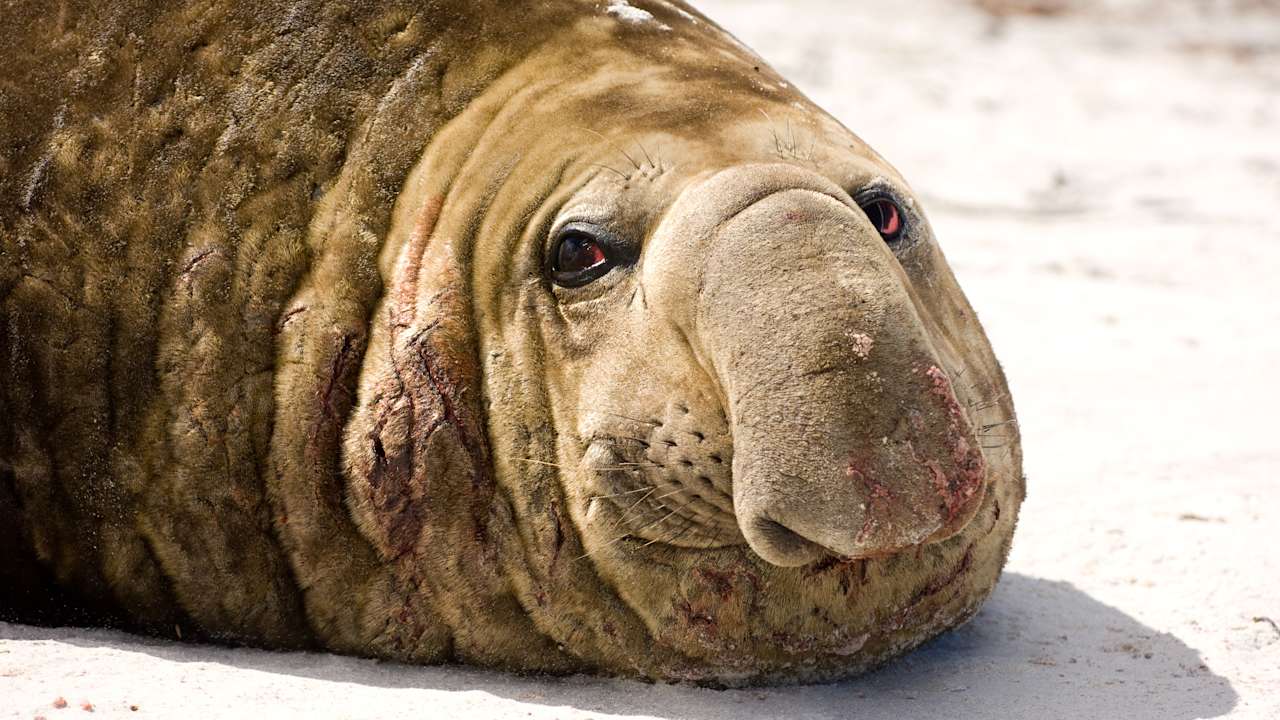
The southern elephant seal has also dropped in population and moved from “least concern” to “vulnerable” on the red list, as bird flu threatens the species.
The disease has affected four of the five major subpopulations, killing more than 90% of newborn pups in some colonies and seriously impacting adult females.
There are growing concerns that disease-related mortalities of marine animals will increased as the earth warms, particularly in polar regions where animals have had less exposure to pathogens.
Martin Harper, chief executive of BirdLife International, which co-ordinated the emperor penguin assessment, said: “Climate change is accelerating the extinction crisis before our eyes.
“Governments must act now to urgently decarbonise our economies.”
The WWF warned that Emperor penguins could become extinct before the end of this century, unless governments act now to reverse the warming of Antarctic waters.
Dr Grethel Aguilar, IUCN director general, said: “These important findings should spur us into action across all sectors and levels of society to decisively address climate change.”
“As countries prepare to gather at the Antarctic treaty consultative meeting in May, these assessments provide essential data to inform decisions regarding this majestic continent and its awe-inspiring wildlife.”
The WWF, which has supported research efforts to monitor the species, is calling for emperor penguins to be designated as a “specially protected species” under the Antarctic Treaty.
Follow STV News on WhatsApp
Scan the QR code on your mobile device for all the latest news from around the country