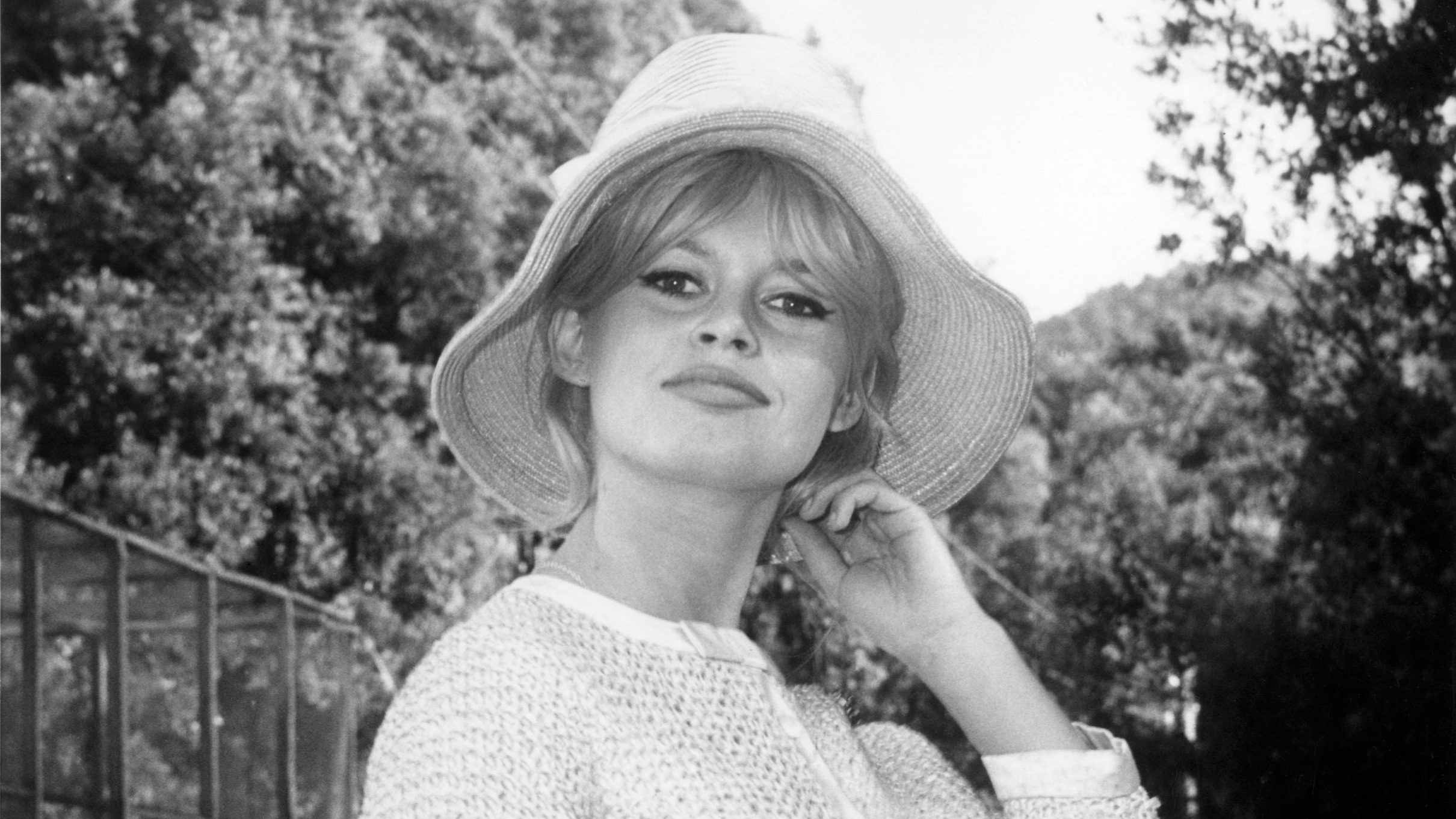
ITV Arts Editor Nina Nannar looks back at the life of Bardot, an icon of cinema and fierce advocate for animal welfare
The former actor and singer-turned animal rights activist Brigitte Bardot has died aged 91.
Bruno Jacquelin, of the Brigitte Bardot Foundation for the protection of animals, told The Associated Press that she died at her home in southern France on Sunday. Her cause of death has not been disclosed.
He said no arrangements have yet been made for funeral or memorial services. It comes after she had been hospitalised last month.
Posting on X, French President Emmanuel Macron said: ‘’We are mourning a legend.”
The French film star was known for being a figurehead of the sexual revolution during the 1960s, starring some 28 films including ‘And God Created Woman’ (1956), and ‘The Truth’ (1960).
Her widespread appeal led her to be chosen as the model for “Marianne” in 1969, the national emblem of France and the official Gallic seal. Bardot’s face appeared on statues, postage stamps and even on coins.
The British Academy of Film and Television Arts (Bafta) wrote on X: “Bardot became known as a symbol of sexual liberation in film and starred in numerous French cinema hits in the 1950s and ’60s.”
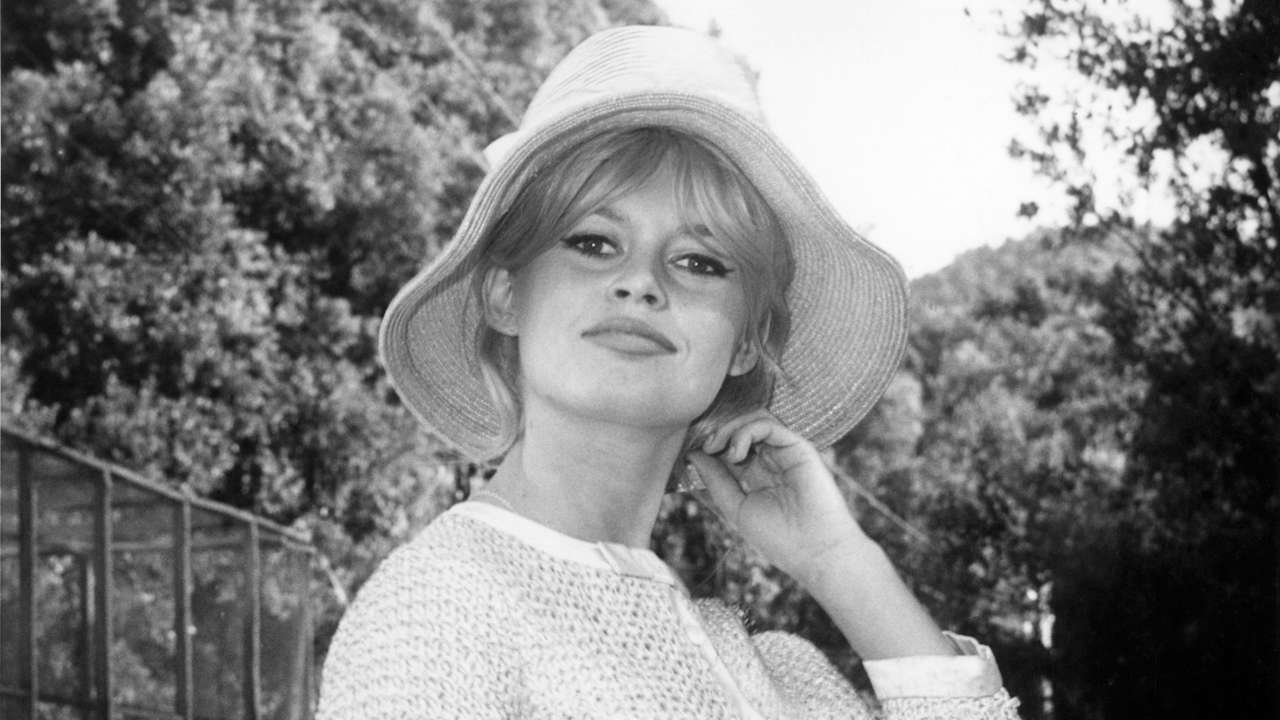
She later turned her back on a career on the arts to campaign for animal rights, setting up the Brigitte Bardot Foundation, working for the “protection of wild and domestic animals in France and internationally”.
Her campaigns saw her travel to the Arctic to blow the whistle on the slaughter of baby seals, condemn the use of animals in laboratory experiments, and oppose sending monkeys into space.
“Man is an insatiable predator,” Bardot said on her 73rd birthday, in 2007.
“I don’t care about my past glory. That means nothing in the face of an animal that suffers, since it has no power, no words to defend itself.”
In later life, she became known for holding far-right political views, decrying the influx of immigrants into France, including Muslims.
She was convicted five times in French courts of inciting racial hatred.
Subscribe free to our weekly newsletter for exclusive and original coverage from ITV News. Direct to your inbox every Friday morning.
Bardot married Bernard d’Ormale in 1992, a onetime adviser to former National Front leader Jean-Marie Le Pen.
In 2012, she penned a letter in support of Marine Le Pen, the current leader of the party – now renamed National Rally – in her failed bid for the French presidency.
Le Pen posted on X that Bardot’s death was an “immense sorrow”.
She continued: “She was incredibly French: free, untamable, whole. She will be greatly missed by us.”
In 2018, at the height of the #MeToo movement, Bardot said in an interview that most actors protesting sexual harassment in the film industry were “hypocritical” and “ridiculous” because many played “the teases” with producers to land parts.
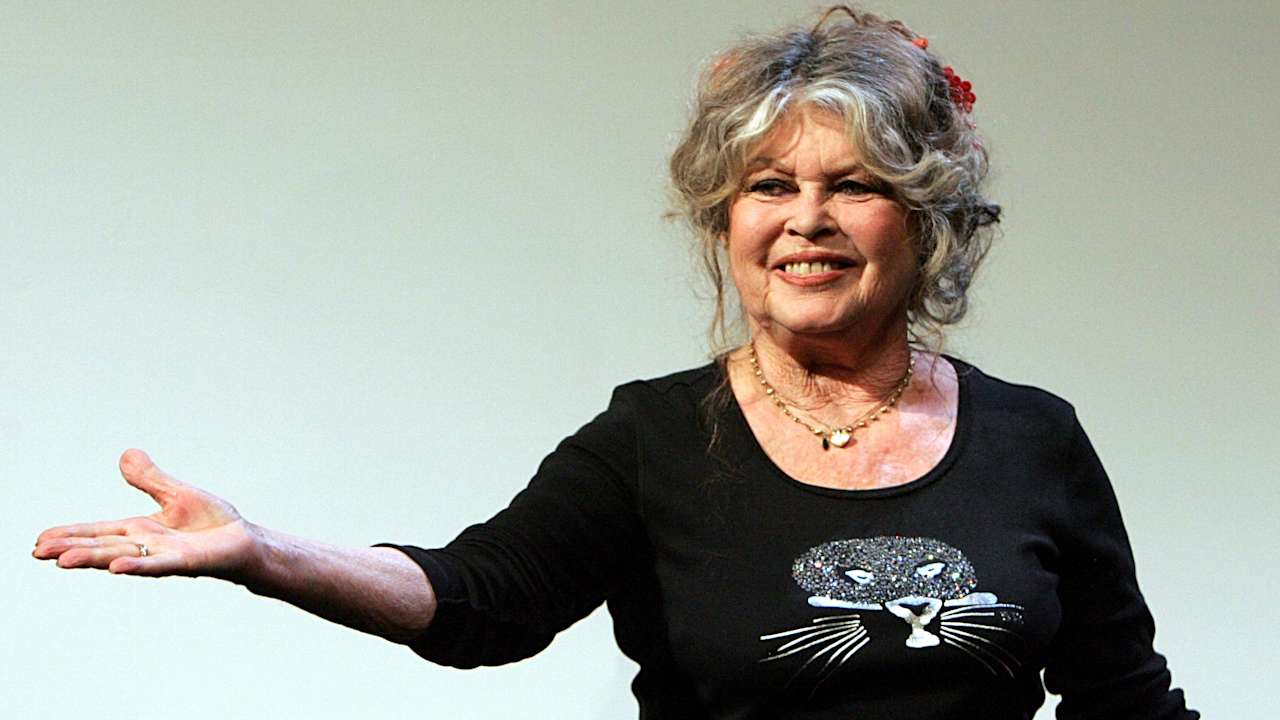
She said she had never had been a victim of sexual harassment.
Bardot was born in 1934, and was described as a “shy” child. She learned ballet, and was discovered by a family friend who put on the cover of Elle magazine aged 14.
Bardot once described her childhood as “difficult” and said her father would sometimes punish her with a horse whip.
She married French screenwriter and director Roger Vadim, who wrote and cast her in “And God Created Woman”.
The film, which portrayed Bardot as a bored newlywed who has sex with her brother-in-law, had a decisive influence on New Wave directors Jean-Luc Godard and Francois Truffaut – came to embody the hedonism and sexual freedom of the 1960s.
The film catapulted Bardot to fame, but she later lamented her performance.
“It’s an embarrassment to have acted so badly,” Bardot said of her early films.
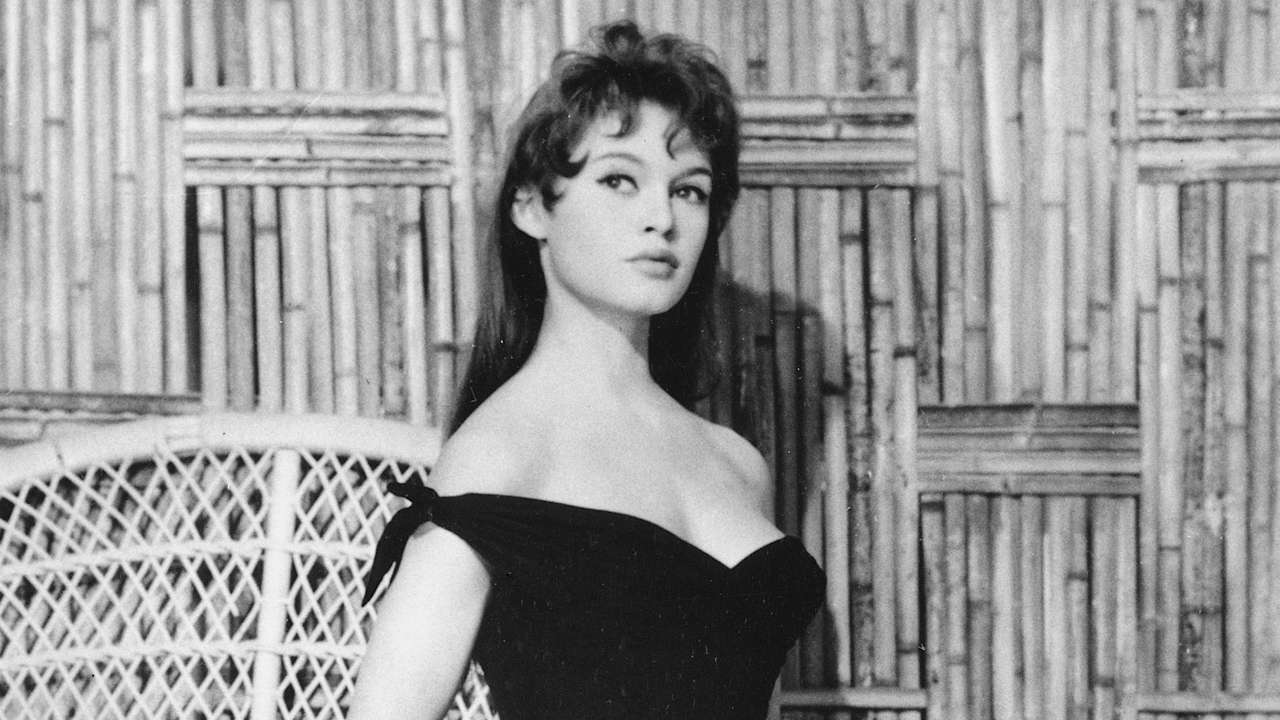
“I suffered a lot in the beginning. I was really treated like someone less than nothing.”
Bardot blamed constant press attention for the suicide attempt that followed ten months after the birth of her only child, Nicolas.
Photographers had broke into her house only two weeks before she gave birth to snap a picture of her pregnant.
She later retired to her Riviera villa in St. Tropez at the age of 39 in 1973 after “The Woman Grabber”, before re-emerging into a career of animal rights activism.
Bardot once said that she identified with the animals that she was trying to save.
“I can understand hunted animals because of the way I was treated,” Bardot said. “What happened to me was inhuman. I was constantly surrounded by the world press.”
Follow STV News on WhatsApp
Scan the QR code on your mobile device for all the latest news from around the country