ITV News’ Martha Fairlie sets out the government’s reasoning for the ban
Words by ITV News Producer Hannah Ward-Glenton
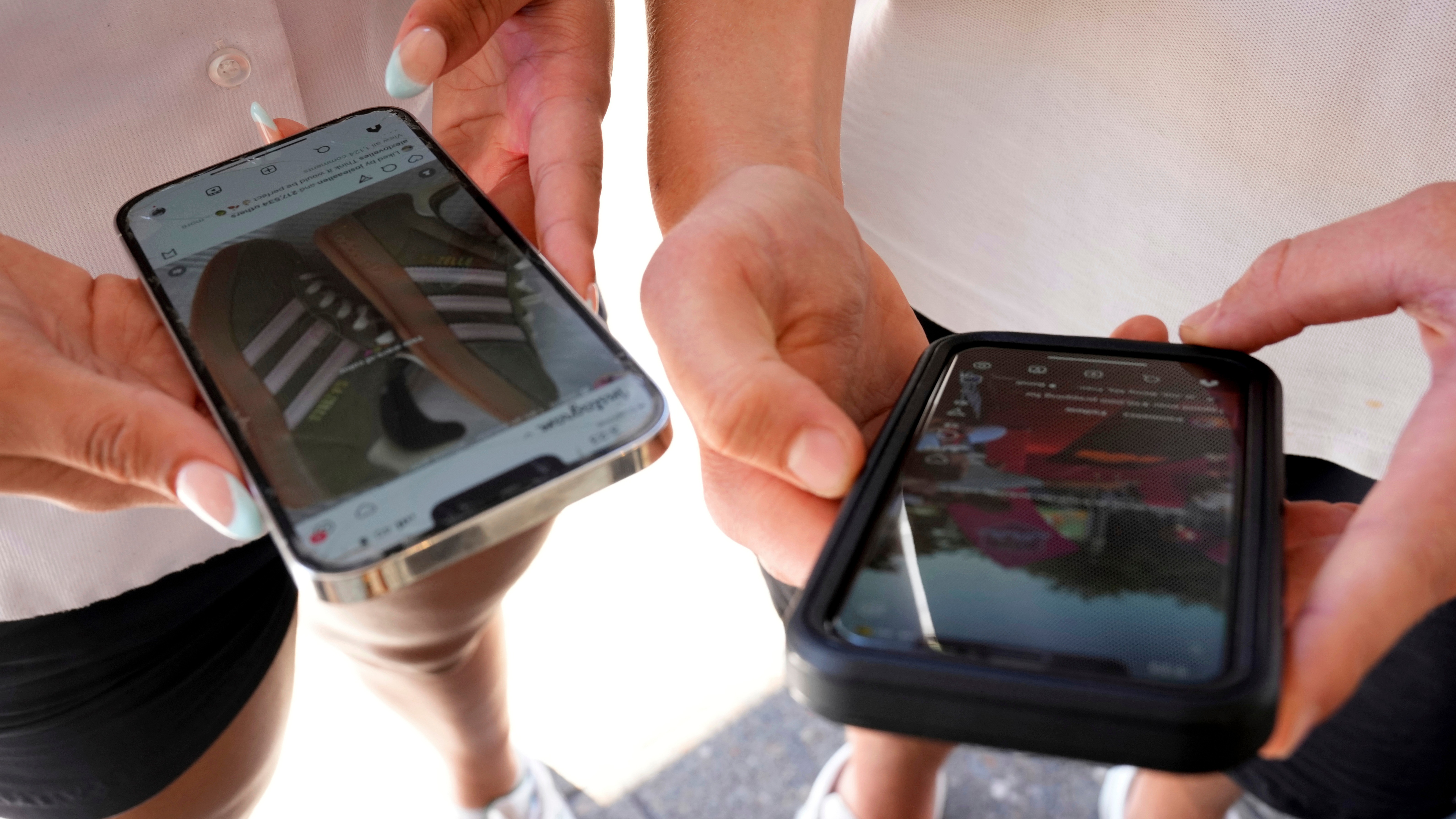
Under-16s in Australia are officially banned from social media as of December 10, in a move brought in by the government to make the internet a safer place for young people.
TikTok, Instagram, Facebook, X, Snapchat, YouTube, Kick, Twitch, Threads, and Reddit will all be impacted by the changes after Australian officials deemed the sites harmful to young people.
“Social media is doing harm to our kids, and I’m calling time on it,” Prime Minister Anthony Albanese said in November 2024 while announcing the plan.
Some of the sites are already banning young people in the run-up to the law change.
But it is no easy task to remove 2.6 million people from social media, so how will it work? And could the UK follow suit? ITV News explains.
How will platforms ban young people?
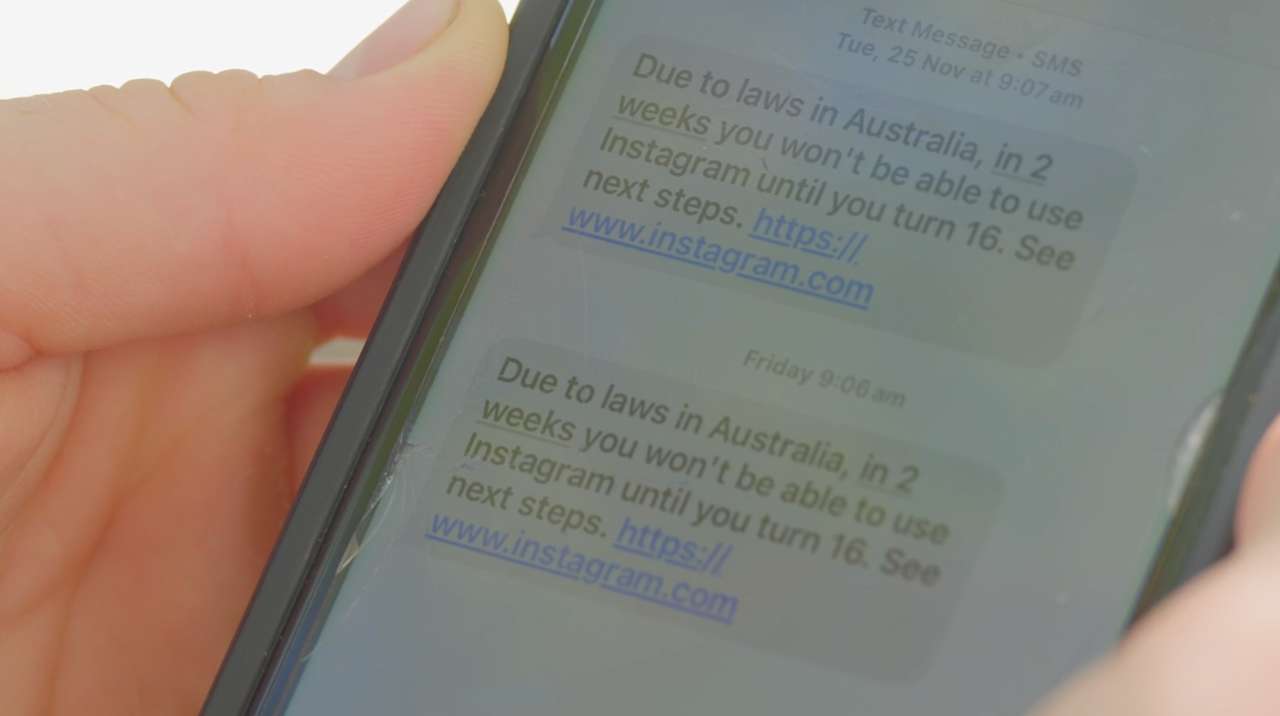
Meta, the parent company of Instagram, Facebook, and Threads, has already started rolling out its plan to ban young people from its platforms.
Two weeks ago, 13 to 15-year-olds were notified that their access to those sites would be limited from December 4, with all users impacted by the law to be removed before it took effect on December 10.
But Meta Managing Director William Easton has made it clear that the method would not be the company’s preferred way of protecting young people.
“We’re committed to meeting our compliance obligations and are taking the necessary steps to comply with the law. That said, we hope to continue engaging constructively with the Australian government to find a better way forward,” he said.
Snapchat announced at the end of November that it would be freezing the accounts of under-16s as soon as the law took effect.
“We will be taking steps to lock accounts of users in Australia under 16 years of age. We understand this can feel disappointing and want to ensure anyone impacted knows how these changes affect them,” the company said in a statement.
Both companies urged people to download any content that they wanted to keep.
Snapchat said locked accounts would be preserved for three years, in which time they could be reactivated if the user turned 16.
Despite the law coming into effect next week, most of the relevant social media platforms have yet to confirm how they will stop under-16s from accessing their sites.
TikTok said it “will comply with the law and meet its obligations”, but provided no further details.
Reddit and Kick were only added to the list on November 5, giving the platforms a much shorter timeframe for adapting to the new rules, and YouTube, Kick, Twitch, and X have yet to say how they will adapt to the new rules.
Could facial recognition be used?
The Australian government carried out a trial into age assurance and how best to test the ages of people on social media.
One option that was tested was facial recognition, but it is by no means a perfect system.
“I got 14 for one of them, then I got 37 for another,” one teenager participating in the trial said, referring to their age.
Another said, depending on whether he pulled faces or not, his age varied from 14 to 43, according to one piece of software.
The main findings from the report were that age assurance could be done “privately, efficiently and effectively”, that there are no “substantial technological limitations” preventing the policy from working, but also that there is “no one-size-fits-all solution” for making it work.
What happens to young people who break the rules?
The Australian government has made it clear that it is the social media companies that are responsible for keeping young people off their sites, not the users.
Social media sites could be fined up to AUD$50m (£25m) if they fail to take “reasonable steps” to exclude under-16s from their sites.
“We have met with several of the social media platforms in the past month so that they understand there is no excuse for failure to implement this law,” communications minister Anika Wells told reporters in November.
Will more platforms be affected?
Australia’s eSafety Commissioner Julie Inman Grant, who will enforce the social media ban, said the list of age-restricted platforms would evolve as technology changes, which could mean more sites will be impacted.
Has there been backlash?
Critics of the legislation fear that banning young children from social media will impact the privacy of all users, who must establish that they are older than 16.
The prime minister said in a press conference earlier in the month that users would not have to provide ID in order to use social media sites.
“Our legislation specifically prohibits platforms from requiring government-issued ID,” Albanese said in a video posted on X on November 26.
More than 140 Australian and international academics with expertise in fields related to technology and child welfare signed an open letter to Albanese last year opposing a social media age limit as “too blunt an instrument to address risks effectively”.
The ban was also set to be challenged in the High Court thanks to the advocacy group, Digital Freedom Project.
“All Australians, including young people, have a Constitutionally-implied right to freedom of political communication. This legislation improperly robs 2.6 million young Australians of that right,” the Project said in a statement on November 26.
It said the new law “trespasses on the Constitutional right of freedom of political communication and is therefore unlawful”.
Anika Wells referred to the challenge when she later told Parliament her government remained committed to the ban taking effect on schedule.
“We will not be intimidated by legal challenges. We will not be intimidated by Big Tech. On behalf of Australian parents, we stand firm,” she said.
Could the rest of the world follow in Australia’s footsteps?
There are currently no plans for the UK to take the same steps as the Australians.
The government said on December 17, 2024, that it is “aware of the ongoing debate as to what age children should have smartphones and access to social media.”
“The government is not currently minded to support a ban for children under 16,” it added.
The statement was made in response to a petition signed by more than 132,000 people to introduce 16 as the minimum age for children to have social media.
European Commission President Ursula von der Leyen told a United Nations forum in New York in September that she was “inspired” by Australia’s “common sense” move to legislate the age restriction.
Malaysia has also announced plans to ban social media accounts for children under 16 starting in 2026.
Social media platforms themselves have been making changes in recent years to try and improve safeguarding for young people.
Instagram limited teenagers to PG-13 content by default – only changeable with parental permission – in October, while YouTube has started using AI to track users’ viewing habits for age verification purposes in the US.
Follow STV News on WhatsApp
Scan the QR code on your mobile device for all the latest news from around the country