In Cuba, power is everything.
Not just the influence the Communist government wields over the people, but also the electricity, vital for so much of modern life.
Cubans’ ability to watch TV, read, and live with dignity is being suffocated.
This comes amid the United States Navy’s decision to stop all oil imports from Central and South America.
The American oil embargo has left the Caribbean island in crisis, forcing the local officials to choose which neighbourhoods to cut off and which to leave connected.
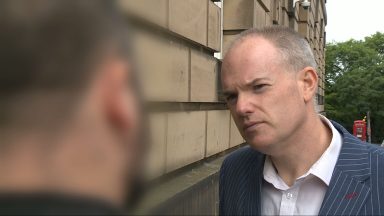
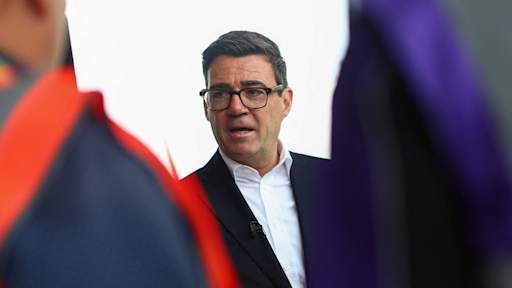
ITV News US Correspondent Dan Rivers sits down with Cuban Government Minister, Alejandro García del Toro
Often, the outages last for more than 24 hours, putting life on hold for those affected.
Cuba has endured decades of sanctions and trade restrictions, but the choking off of its oil supply, which comes almost entirely from Venezuela and Mexico, has left the country on the brink.
The Trump administration wants to coerce Cuba into accepting sweeping reforms, making it more aligned with the US and less aligned with countries like Russia.
Last month, John Ratcliffe, the head of the CIA, held a summit with senior Cuban officials, delivering a stark message: Allow real change or face military intervention.
Donald Trump said in March that he thinks he will have the “honour of taking Cuba” and has repeated his threats to topple the Communist government with increasing regularity.
Yet Cuba’s president, Miguel Diaz-Canel, remains intransigent – and ordinary Cubans are paying the price.
Petrol is rationed to 20 litres a month per person, but on the black market, if they can find it, Cubans are paying more than £5 a litre for petrol.
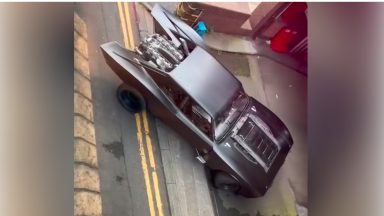
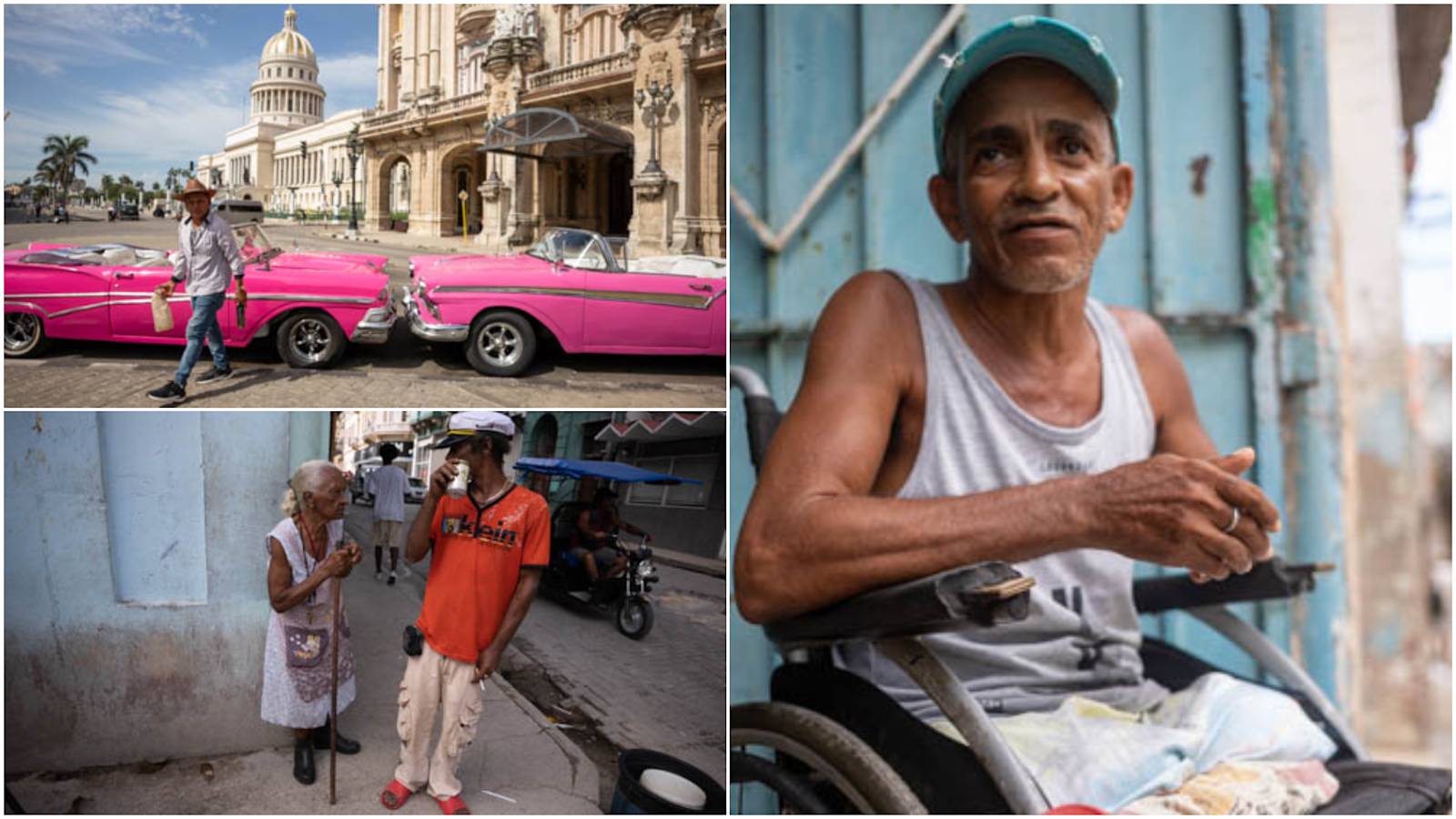
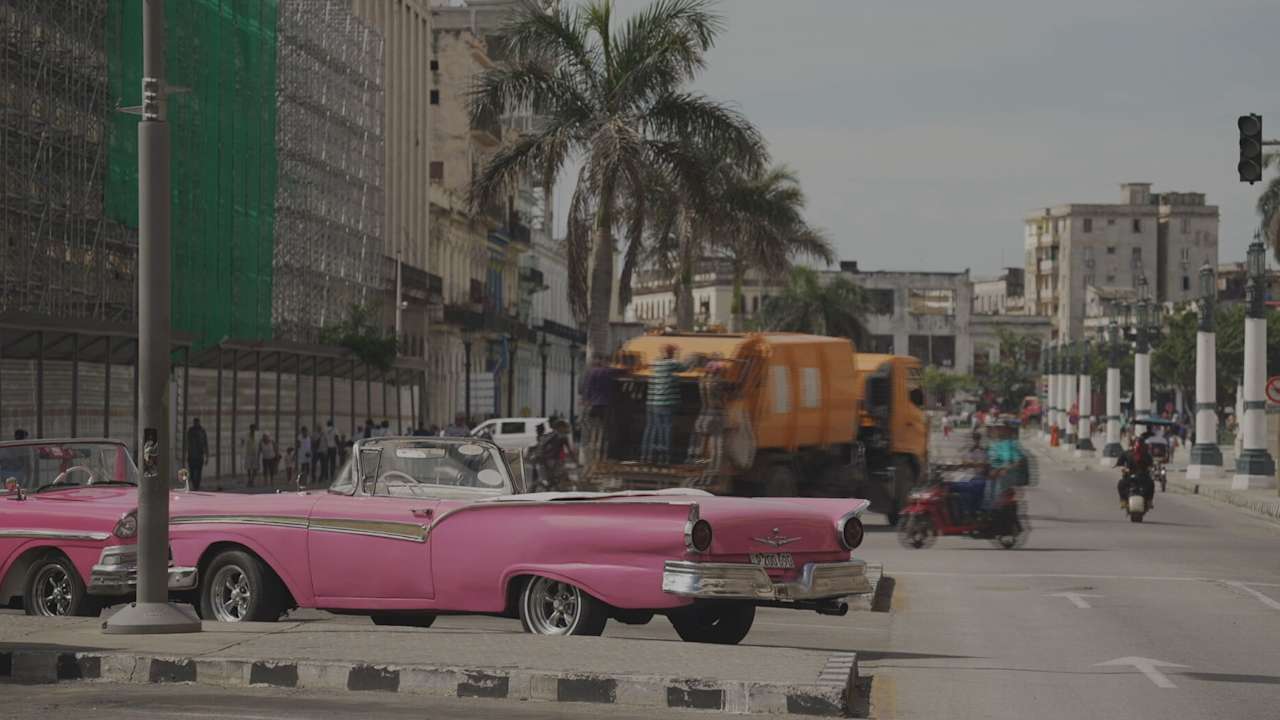
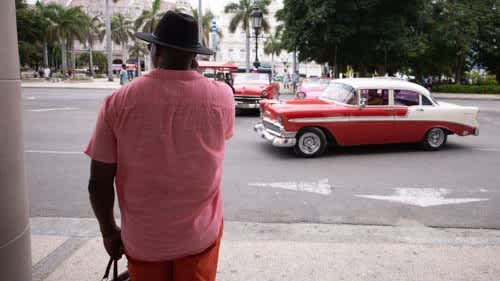
It means many of the classic 1950s vehicles, which have become a trademark of the tourist industry, lie stranded.
Those still operating are charging even higher prices for the dwindling number of tourists wandering around Havana’s historic streets.
This week, we watched as international hotel chains were forced to change their names to avoid incurring US secondary sanctions.
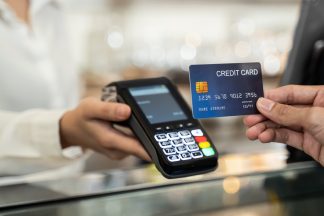
Mastercard and Visa have stopped working here, and the currency is becoming more worthless against the US dollar – the preferred currency for businesses.
What was once a popular tourist destination is now largely deserted. Cafes are empty, and bands play renditions of the Buena Vista Social Club hits to empty terraces.
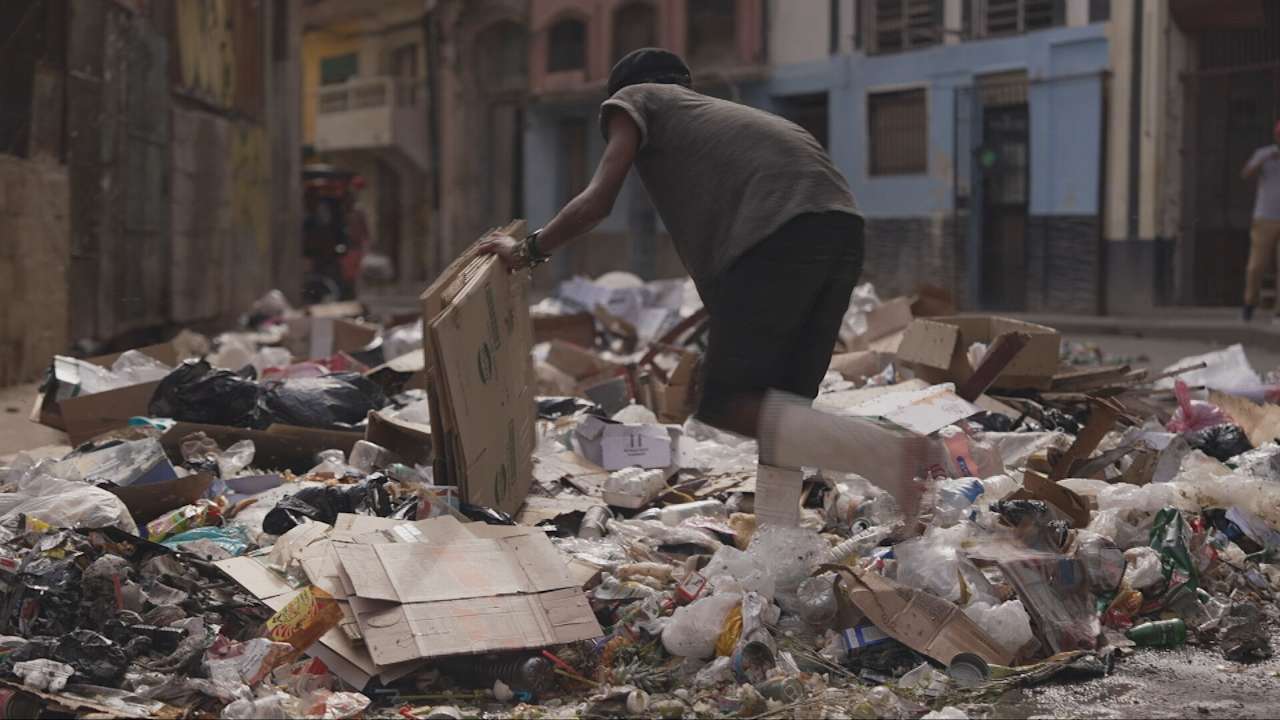
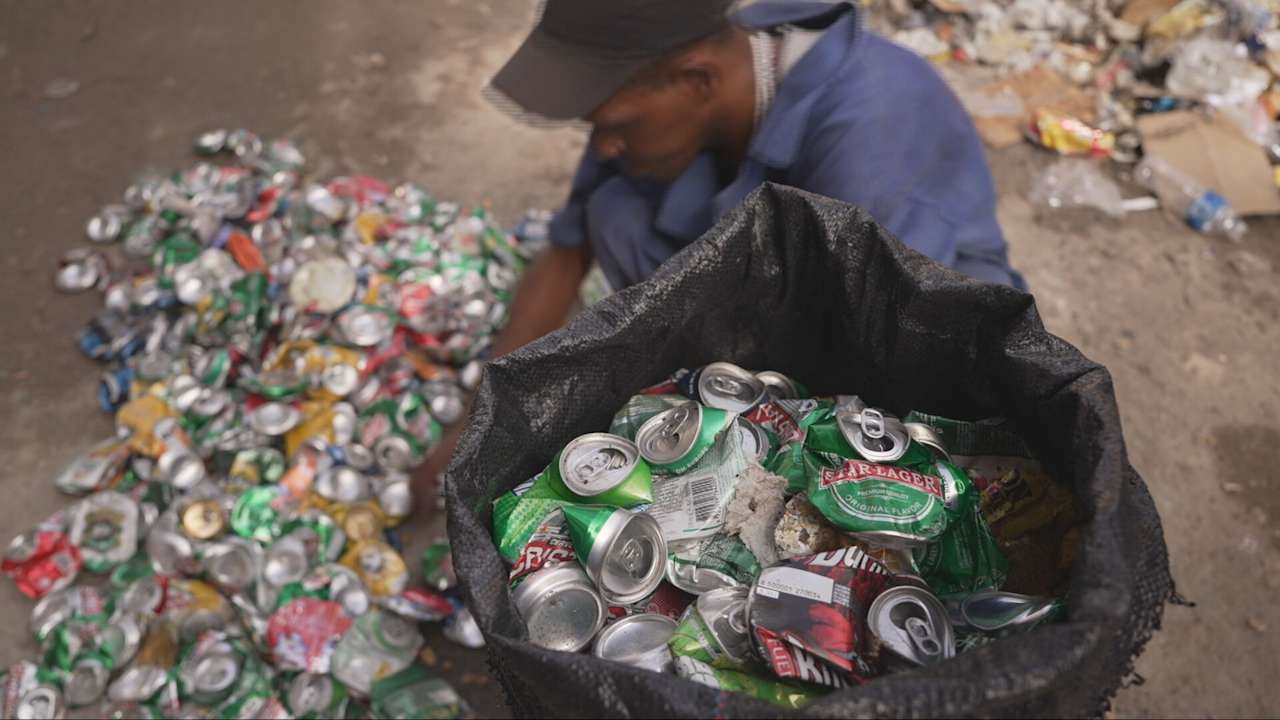
Towers of rubbish are left rotting on many street corners, some picked over by scavengers hoping to find a morsel of food or something worth salvaging.
In a country where the health service was once the apple of its eye, the system is now creaking under the pressure of the American blockade.
There is a flourishing black market in medicines advertised brazenly online by medical workers selling what they can steal from hospitals.
With Cuba less capable of producing its own sustenance, shipments of food and relief supplies are a vital lifeline.
We watched as a Panamanian-flagged vessel from Mexico arrived with 7,000 tonnes of milk, beans and rice.
It will help with the hardship, but not with the power.
One Russian oil tanker was permitted to dock, but its cargo wasn’t nearly enough to make any meaningful difference to the crisis.
One diplomatic source we spoke to thinks American military intervention is neither imminent nor inevitable, but at the same time believes the US will insist on change and is prepared to launch military action to achieve it.
For its part, the Cuban government and its vastly inferior military have distributed thousands of AK-47s to members of the Communist party, a token measure aimed at defence against a potential American invasion.
Would the US put boots on the ground?
It’s still haunted by its failed mission at the Bay of Pigs in 1961 when John F. Kennedy’s attempt to defeat Fidel Castro’s men ended in humiliation for the Americans.
Could the US, buoyed by its success in abducting Venezuelan President Nicolás Maduro, attempt to snatch and put on trial Castro’s brother, 95-year-old Raúl, who was recently indicted by the US?
Trump may opt for a campaign of airstrikes to decapitate the regime, starting with its current president.
While he deliberates on what action to take and when to take it, many Cubans are losing patience with their own government and its inability to establish any kind of resilience.
Follow STV News on WhatsApp
Scan the QR code on your mobile device for all the latest news from around the country