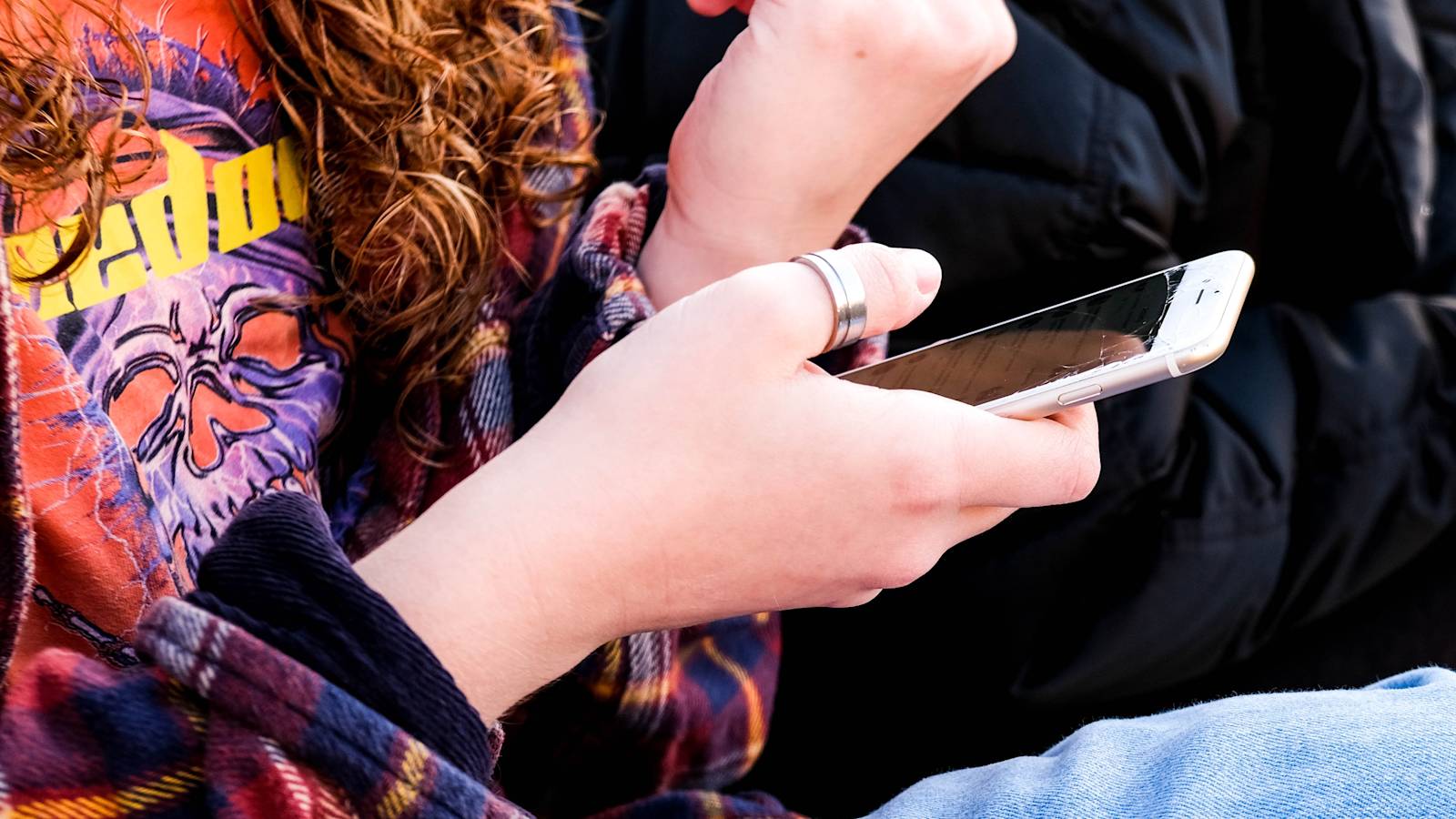
The government has announced further social media restrictions for older teenagers as it continues to roll out plans aimed at protecting young people online.
A social media curfew and restrictions on scrolling are among the new measures.
So what are the proposed changes and how could you be affected? ITV News explains.
What are the new restrictions?
Sixteen and 17-year-olds will face an overnight social media curfew, restrictions on infinite scrolling and breaks in AI chatbot use under new government plans.
The changes, part of the government’s wider restrictions on social media for children, will introduce default settings that prevent access for older teenagers between midnight and 6am.
Features that keep users hooked, such as never-ending reels and algorithmic feeds, will automatically be turned off.

Are the restrictions mandatory?
While these restrictions will become the default settings, they are voluntary, so you will be able to switch them off on your device.
This has prompted critics to question the effectiveness of the measures.
When do they come into place?
The proposals will be presented to parliament by the end of 2026, with the expectation that they could come into force in Spring 2027.
How do these plans fit into wider measures?
Last month, the government unveiled a social media ban for under-16s, which is expected to cover platforms including Snapchat, TikTok, YouTube, Instagram, Facebook and X, but not messaging services like WhatsApp and Signal, also from next spring.
The announcement came days before the Makerfield by-election, but it will fall to incoming prime minister Andy Burnham to figure out key details.
What is the point of the new rules?
Technology Secretary Liz Kendall said the latest measures will help ensure under-18s accessing social media apps for the first time won’t suddenly be exposed to the most addictive features.
“These measures will be crucial in helping young people get the sleep they need, focus on school and college, and spend more quality time with family and friends, all of which are fundamental to building a happy, healthy and fulfilling adult life,” Kendall said.
“We want young people to enjoy the benefits of technology while having the tools to make the online world a place where they can thrive.”
Families who took part in a government pilot involving more than 300 teenagers and parents across the UK reported that overnight curfews helped improve sleep and concentration, according to the Department for Science, Innovation and Technology (DSIT).
Kendall also wants to introduce new safeguards for children using artificial intelligence.
The proposals include requiring under-18s to take regular breaks while using chatbots and a crackdown on AI services that provide “dangerous, misleading or unverified mental health advice”, with ministers considering banning chatbots that pose a serious threat to children, the DSIT said.
New guidance for children, parents and guardians on safe AI use will be published, and media literacy teaching will be strengthened in schools from September.
How have the new measures been received?
Conservative shadow education secretary Laura Trott described the move as “another dog’s dinner” from Labour.
“Either they think 16 and 17-year-olds should be on social media, or they don’t, but curfews they can simply switch off won’t achieve anything.
“Giving 16-year-olds the vote while putting them under a social media curfew makes no sense.”
Follow STV News on WhatsApp
Scan the QR code on your mobile device for all the latest news from around the country