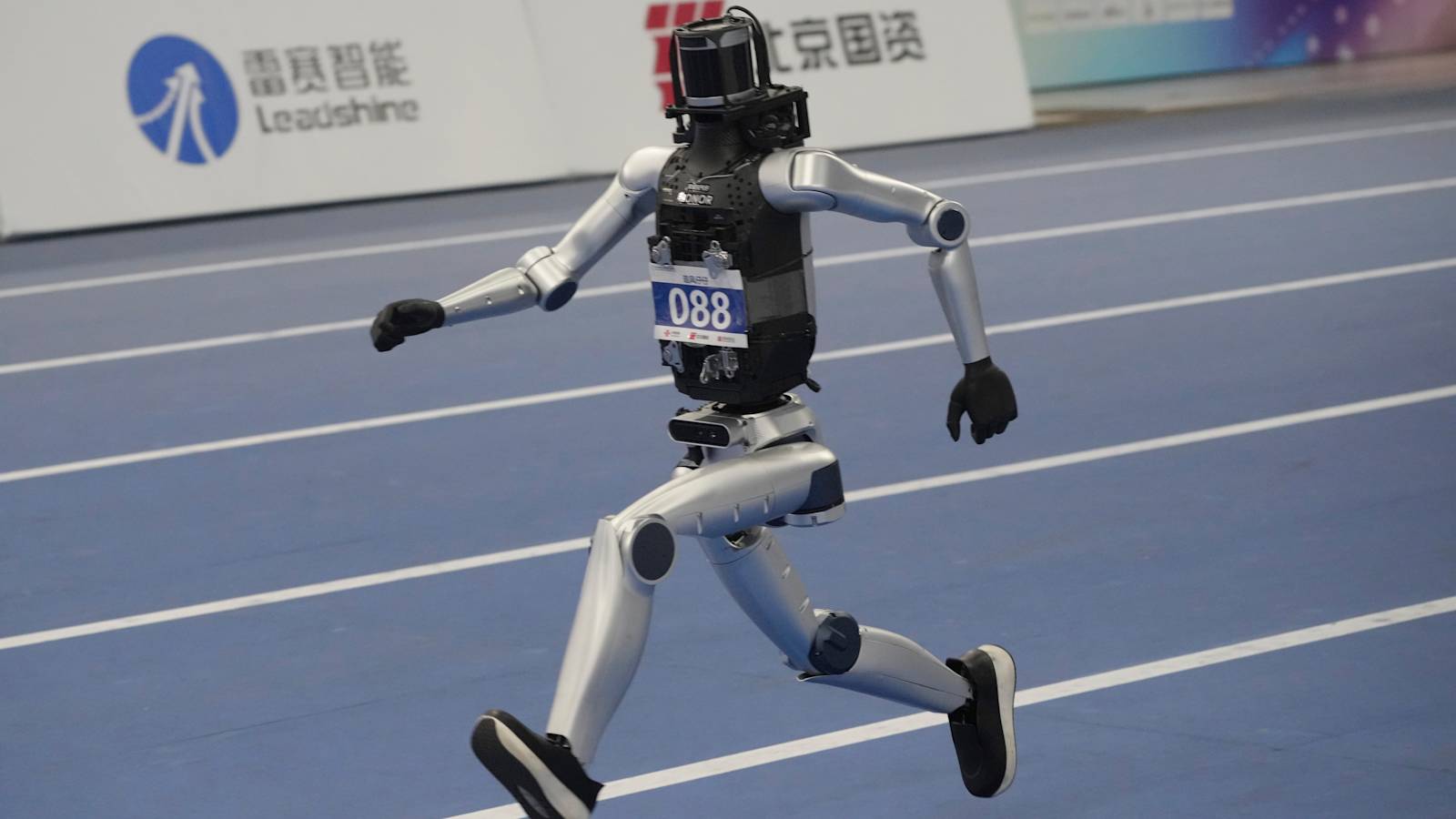
Chinese humanoid robots have smashed through multiple human world records, including beating Usain Bolt’s time in the 100-metre sprint.
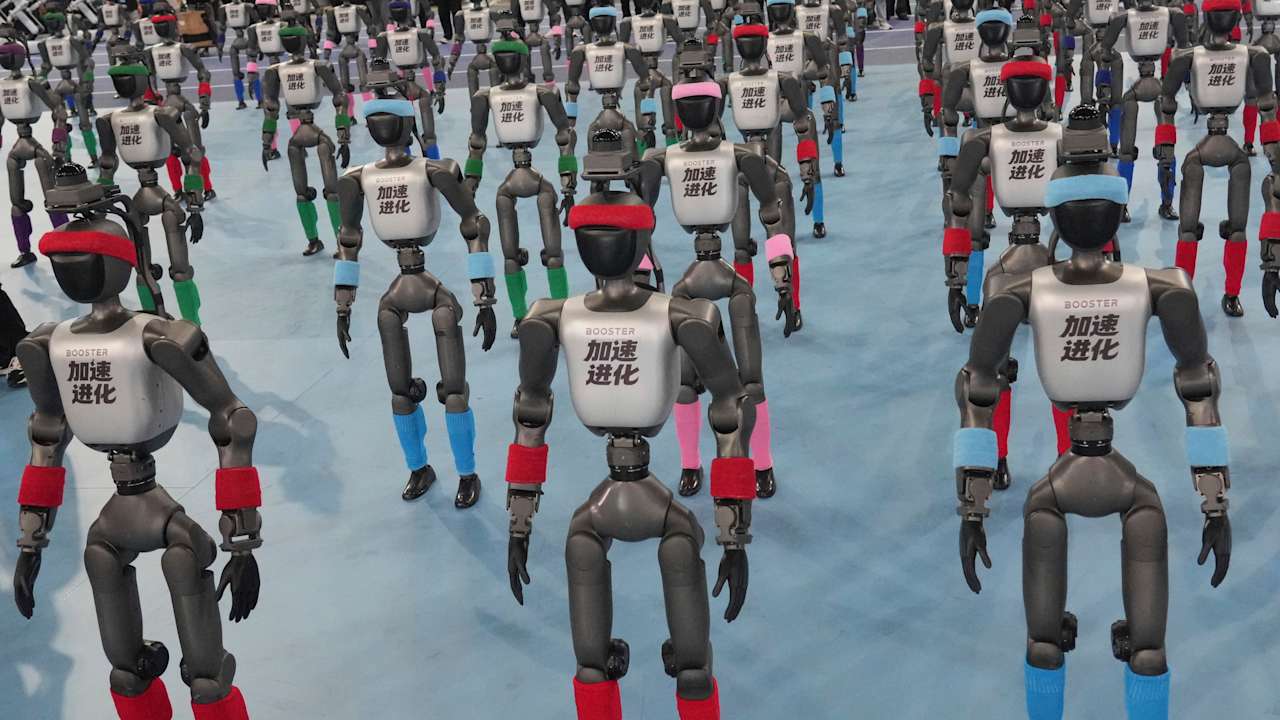
More than 2,000 humanoid robots participated in the Olympics-like World Humanoid Robot Games in Beijing, which is in its second year.
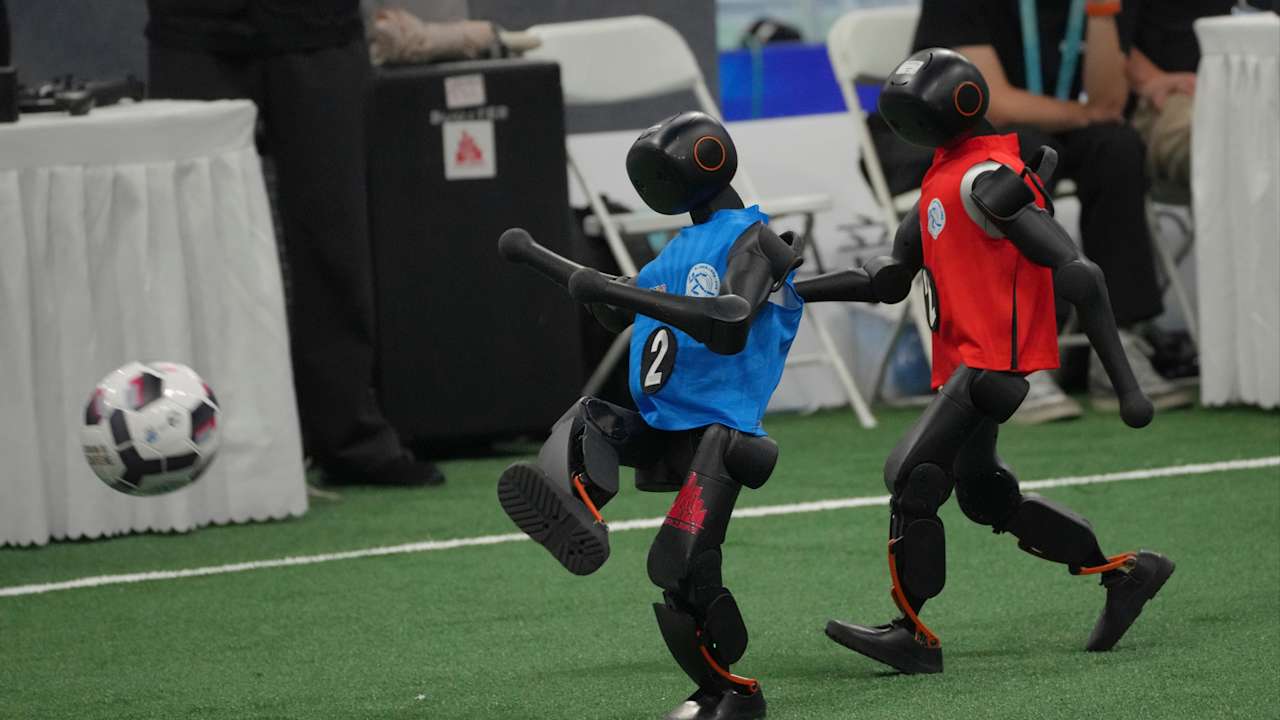
The competition showcases China’s rapid progress in advanced robotics, with 51 events and more than 1,000 competitions taking place including running, table tennis and football.
The games, which are taking place in the National Speed Skating Oval built for the 2022 Winter Olympics, opened the same week as Beijing held the 2026 World Robot Conference.
During the opening day of the games, a humanoid robot achieved a result of 9.39 seconds in the a 100-metre sprint, beating the human record of 9.58 seconds set by Jamaican athlete Bolt in 2009.
In a standing high jump, a humanoid robot was able to reach 2.88 metres – well above the 0.95 metres best result by a humanoid in last year’s first edition of the games.
It also surpasses the human high jump record of 2.45 metres, achieved by Cuba’s Javier Sotomayor in 1993.
Both robots were from Beijing-based X-Humanoid.
Spectators said they were excited about the humanoid robots’ quickly improving abilities, despite previously feeling “resistant” towards rapidly evolving technology.
“At first, I wasn’t very accepting of artificial intelligence. I was even a bit resistant to it, because of the possibility that it might replace or displace humans,” said Li Yanfeng, an education worker and a Beijing resident.
“But now that I see this development is unstoppable, I decided to come and take a look.”
China makes the majority of the world’s humanoid robots and the US has recently stepped up scrutiny of robots from the country.
Last month, the US Federal Communications Commission announced a ban on imports of new foreign-made humanoid robots, citing national security reasons.
The Pentagon recently also added Unitree, one of China’s leading humanoid robot makers, to its list of companies that it deemed have ties with the Chinese military, causing Beijing hit back at the accusations.
The Chinese embassy in Washington said Beijing had long opposed the “politicising” of trade issues with the US and said the ban was based on “groundless pretexts”.
It called on the US to “abandon its hegemonic mindset, and stop smearing Chinese companies and threatening them with sanctions”.
Follow STV News on WhatsApp
Scan the QR code on your mobile device for all the latest news from around the country