Corby, Northamptonshire, and Taranto are more than 1,000 miles apart, but families from both share similar stories and struggles, as ITV News’ Amy Lewis reports
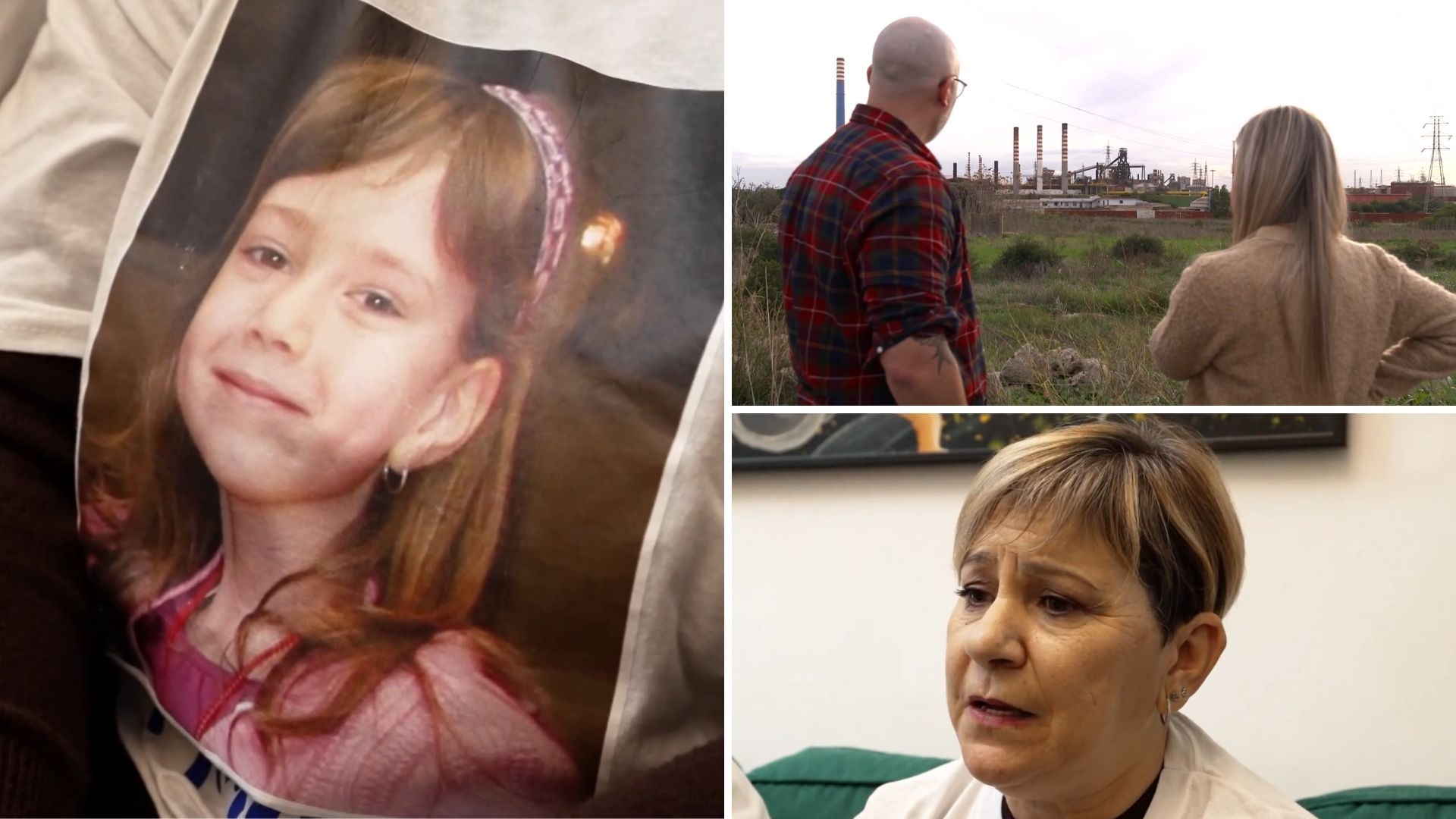
As a little girl, 13-year-old Manuela Santoro would duck down in the car when passing the Italian steelworks that her family believed caused her sister’s cancer and subsequent death.
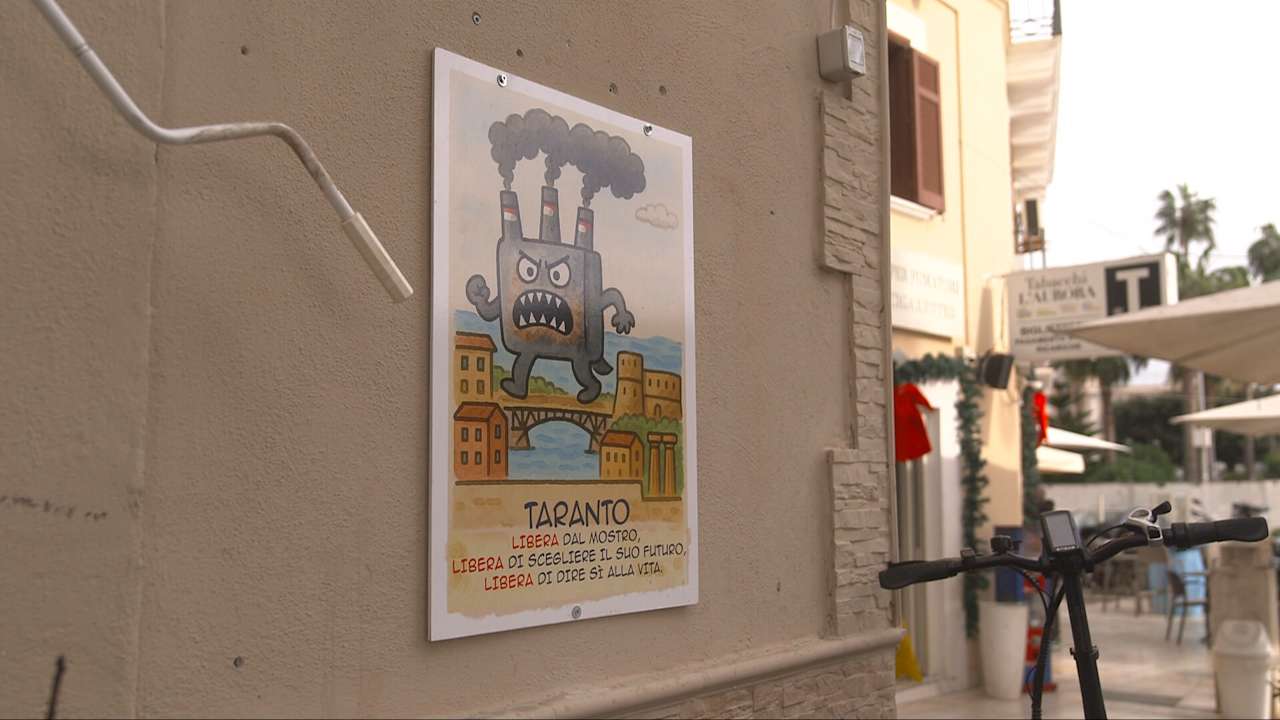
It is a feeling shared in Taranto, a small coastal city in Italy’s south, where posters plastered on walls call for “the monster” — the nearby steelworks — to close.
Corby, Northamptonshire, and Taranto are more than 1,000 miles apart, but families from both share similar stories and struggles.
After months of speaking online, campaigners from both areas have met for the first time to learn from each other.
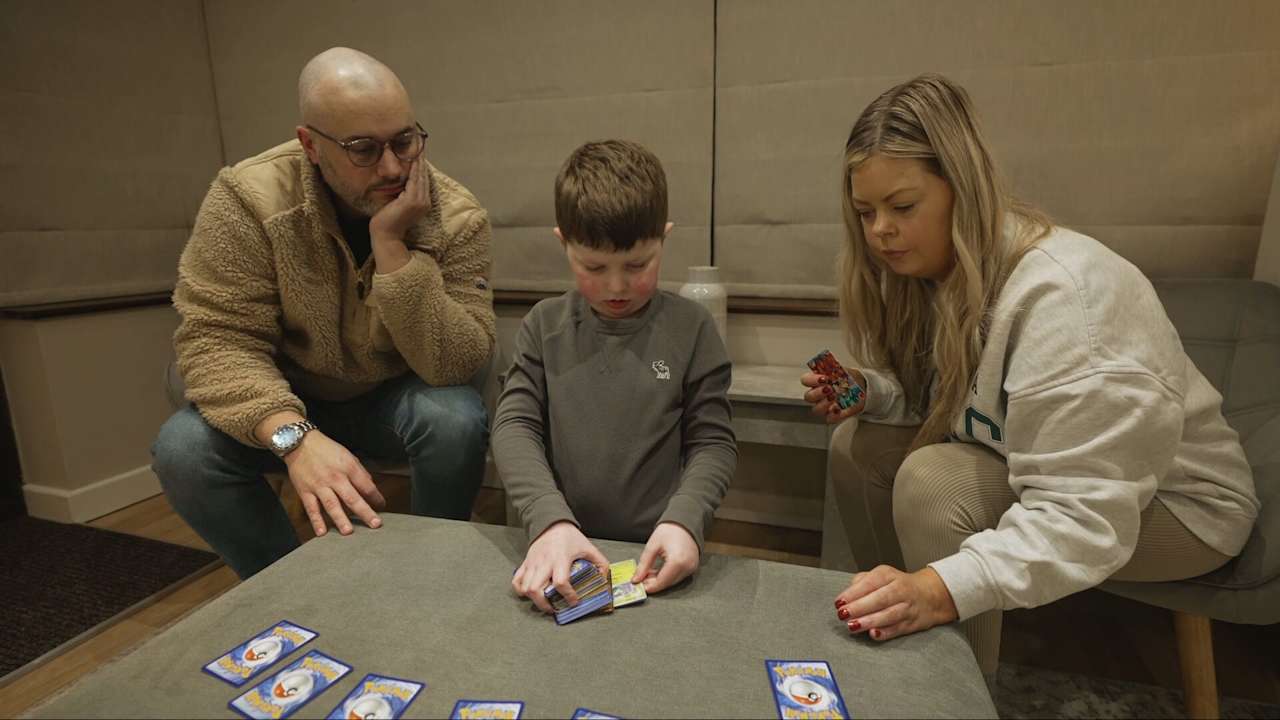
Alison Gaffney and Andy Hinde’s nine-year-old son, Fraser, was diagnosed with a rare form of blood cancer when he was 17 months old.
He was born in Corby, home to Britain’s biggest toxic waste scandal and the focus of the Netflix drama, Toxic Town.
They believe waste that was negligently moved around the town during the steelworks reclamation could have caused Fraser’s condition.
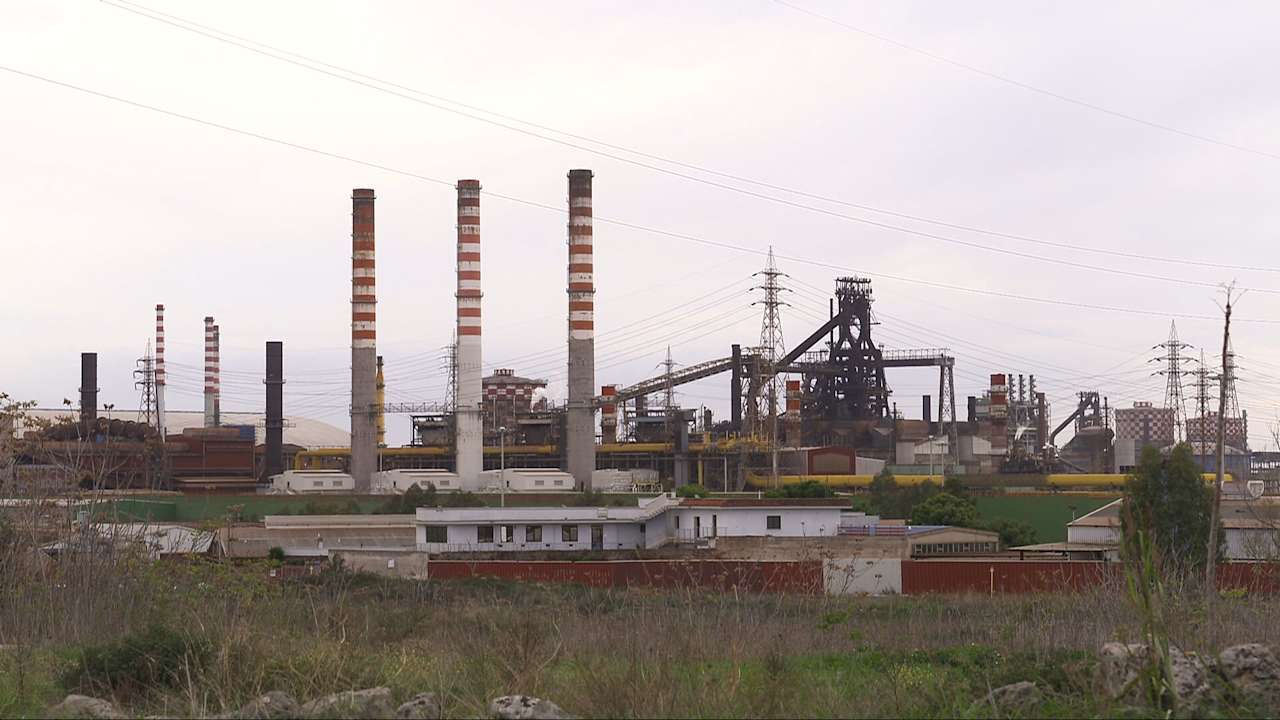
They travelled to Italy to meet families who live alongside the Acciaierie d’Italia plant, still known locally by its former name Ilva.
Here, children grow up talking about cancer.
Manuela never got to meet her older sister. Miriam died aged five, a year after being diagnosed with kidney cancer.
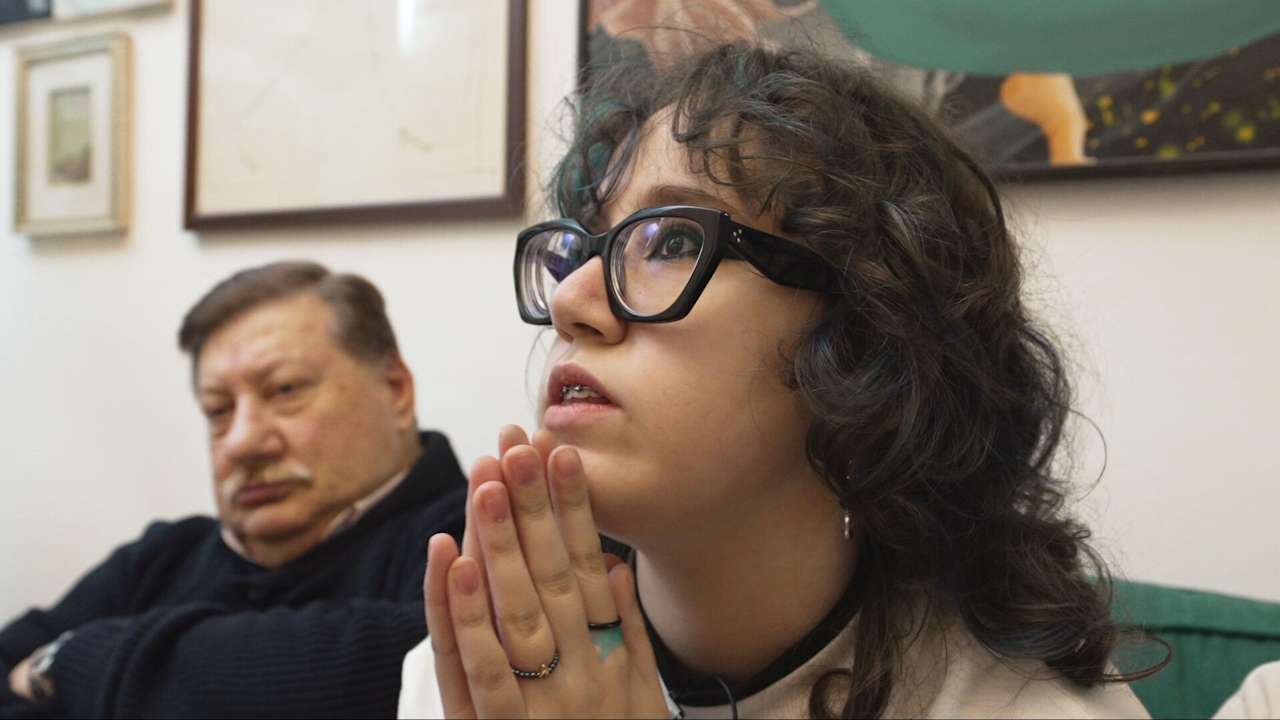
Speaking to other families at the meeting, Manuela said: “At the hospital in north Italy, the nurses would ask, ‘Where do you come from?’ and then we said Taranto and they said, ‘Of course.’
“They saw so many kids coming from here to there. Many babies got sick because of this factory, and my mother is really, really mad.”
At this, Alison and Andy looked at each other, acknowledging that they had heard something similar many times.
Alison told the room: “I think what you’ve just said really hits home, because it’s exactly the same as what we have.
“So, in our local hospital, they pointed out, ‘Why are there so many children and young people from Corby who are getting rare cancers?'”
Miriam’s mother, Antonella, also spoke of her anger.
She said: “We no longer have a need for a steelworks. A steelworks that day by day, for decades, made us sick and killed us.”
In Corby, the town’s main steelworks closed in the early 80s. The largest reclamation in Europe followed.
In 2009, a High Court judge ruled that the then-Corby Borough Council was responsible for toxic waste being negligently moved from the steelworks, causing birth defects in 18 children.
It was a landmark case, linking birth defects to airborne toxic waste. Other families in the town are now questioning whether the contamination has caused much wider health problems.
Alison and Andy have visited Taranto’s largest hospital to help prove it.
At Santissima Annunziata, they, and ITV News, were told an extra children’s ward opened in 2019, in part because they were seeing so many more children with cancer because, they say, of the impact the plant is acutely having on children’s health.
Sentieri, a government agency investigating the link between health and the environment, concluded in 2023 that cancer rates are significantly higher in the city than the rest of the Puglia region.
In adults, prostate and breast cancer rates are above what would be expected.
Cancer in newborns to 14-year-old children is more than 30% higher than the rest of the region, and young adults aged 15-30 years old are twice as likely to get cancer if they live here.
Thyroid cancer is of particular concern, says Valerio Cecinati, consultant and Director of Paediatric Oncology.
“Now the question is not only how to cure a child with cancer, but why a child has had childhood cancer,” he said.
“There is a clear link between the environment and the presence of childhood cancer.”
He added: “In my opinion, it is important to study other diseases in childhood that we have, like diabetes, epilepsy, because we have many studies that begin to talk about the link.”
In Corby, some families are concerned about where the waste was dumped and the damage it could potentially still be causing.
A whistleblower, a contractor who loaded the lorries at the time of the reclamation, has told ITV News previously that it was dumped at sites around the area.
In Taranto, a city with a population of 185,000, the steelworks is still operational.
It has repeatedly been found to be in violation of European environmental rules and ordered to clean up its act.
Progress has been slow, much to the anger of those who live in its shadow.
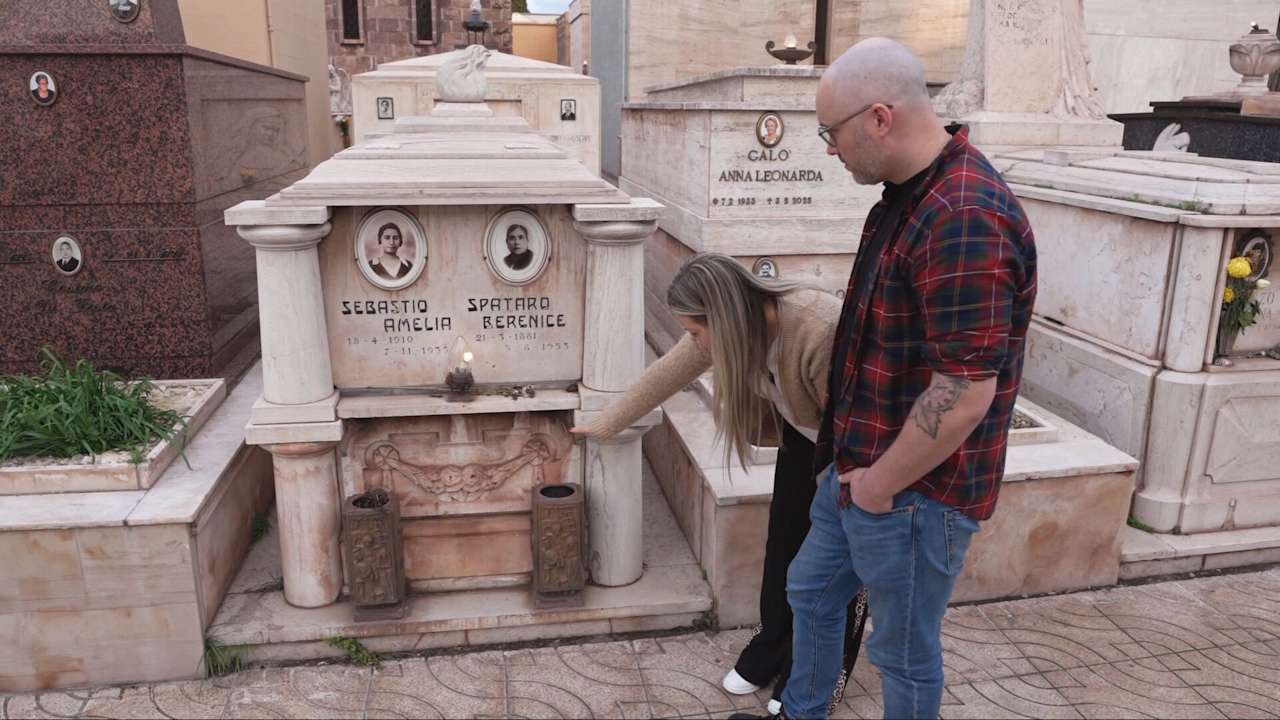
In the cemetery nearest Taranto’s plant, once white statues have turned a shade of red. For Alison and Andy, it is a bleak reminder of home.
During Corby’s reclamation, families spoke of seeing red dust around the town, and they say it can still be seen when new building developments disturb the land.
Alison told ITV News: “I think it’s really soul-destroying to see the red dust causing issues like we’ve seen back in Corby. You know this is a land where people are laid to rest and yet they’re still getting covered.”
Taranto’s Ilva plant, which opened in the mid-1960s, remains a major employer in the city, with 8,500 workers.
Italian journalist Federica Adriani connected the families from Taranto and Corby, so they can share information.
She told ITV News: “It is a strategic site for steel production in Italy, and some people here really want to keep it open because it gives jobs to many.”
The Ilva plant has not responded to ITV News’ request for a comment.
But North Northamptonshire Council said in a statement: “We are currently verifying data regarding the number of childhood cancer cases recorded for children living in Corby to understand whether there are any potential cancer clusters.
“This follows requests and concerns from members of the local community and we are keen to provide our support. Assessing the available data, ensuring that it is accurate and understanding what it shows is our priority at this stage.”
The council added that it understands people are worried about potentially contaminated land and that it will continue to review this.
For Alison, it is about protecting people, more than anything else.
“Prevention is the biggest thing that we can do here,” she said.
Follow STV News on WhatsApp
Scan the QR code on your mobile device for all the latest news from around the country