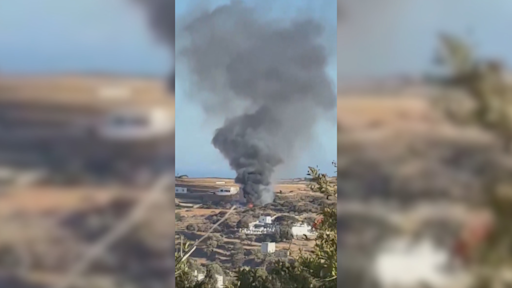
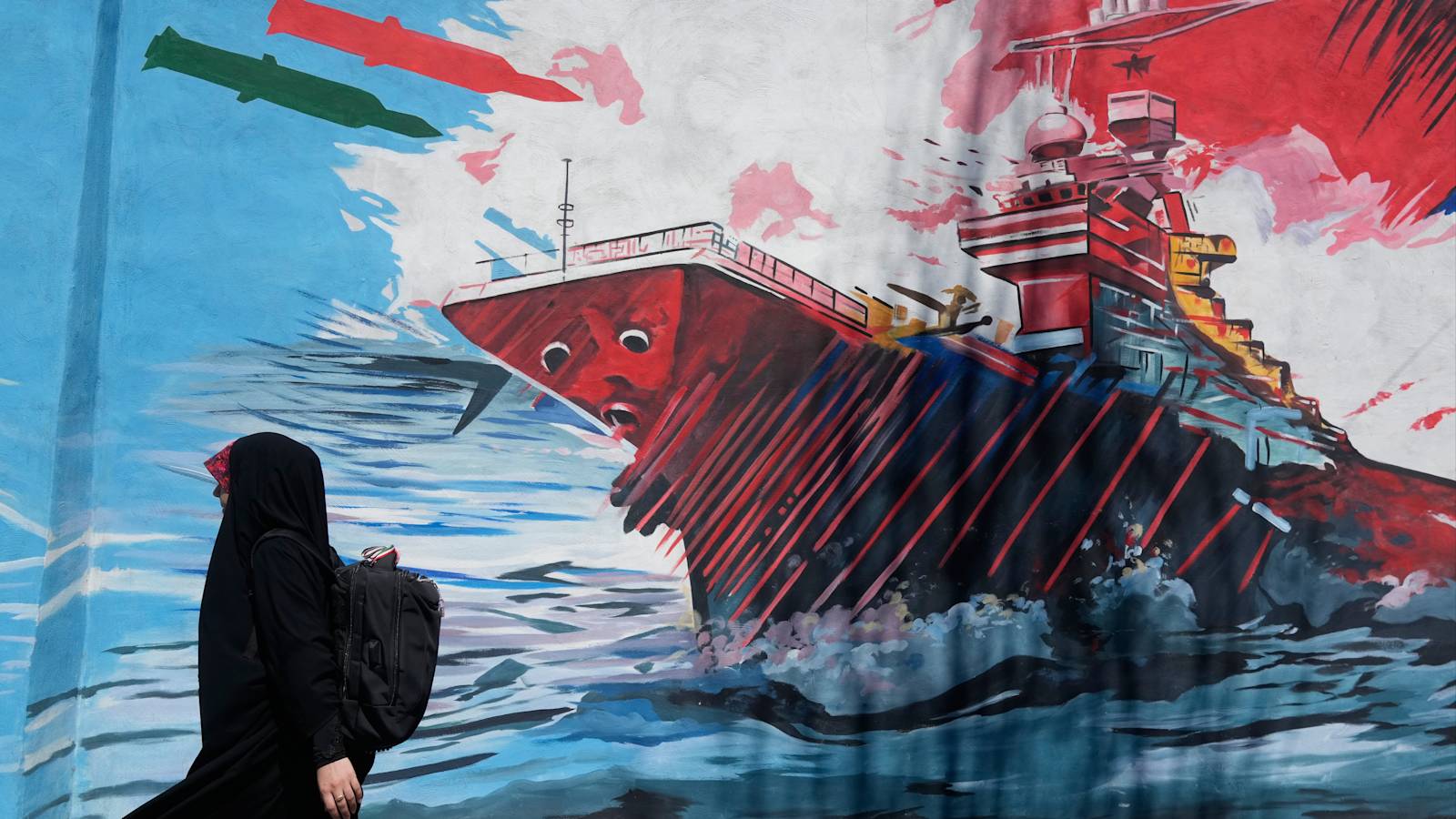
Iran has launched fresh attacks on US allies in the Gulf, in response to earlier airstrikes by the United States military.
The US launched strikes on Iranian military sites on Tuesday night, after blaming Tehran for the crash of an American Apache attack helicopter.
The escalation further strains a fragile ceasefire and complicates negotiations aimed at permanently ending the war that began in February.
Iran’s top diplomat vowed overnight that there would be a response to the new US strikes.
Iranian forces “will leave no attack or threat unanswered,” Iranian Foreign Minister Abbas Araghchi said in a post on X.
“Leave our region if you want to be safe.”
Jordan said on Wednesday it shot down five incoming missiles launched by Iran, which Iran said targeted the Muwaffaq Salti Air Base, which has hosted American F-35 fighter jets and other aircraft.
Jordan’s state-run Petra news agency carried the statement from its military, which added that there were no injuries in the attack and that explosives experts had examined the debris from the interceptions.
Iran launched attacks on sites in Bahrain, Kuwait, which both sounded alerts and fired air defenses in response.

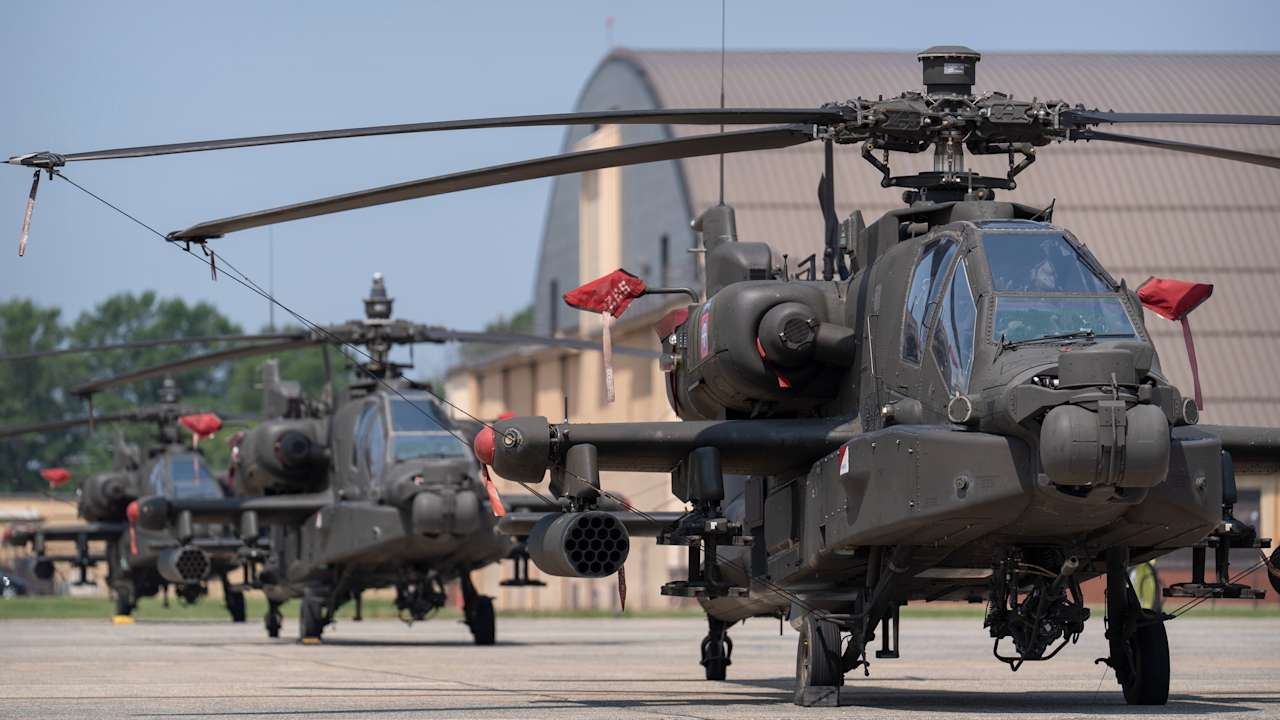
The latest strikes come after Washington blamed Tehran for the crashing of an American attack helicopter, which officials say collided with an Iranian drone on Monday.
It wasn’t clear whether the collision was intentional, and the crash is currently under investigation.
The Apache attack helicopter went down off the coast of Oman, while patrolling the Strait of Hormuz – a crucial shipping channel that Iran has had a hold over since Israel and the US launched the conflict on February 28.
Its two crew members were rescued by a US sea drone – the first incident of its kind in American military history.
US President Donald Trump said the crew members were “safe and uninjured” but added: “Nevertheless, the United States must, of necessity, respond to this attack.”
With the already delicate ceasefire strained even further, fighter jets from the US Air Force and Navy carried out out strikes on “air defense, ground control stations, and surveillance radar sites” in Iran on Tuesday – prompting retaliation by Iran.
Iran acknowledged strikes around Bandar Abbas and Qeshm Island, but gave no details on the damage.
“The operation was a proportional response to recent attacks on US forces and international commercial ships transiting regional waters,” US Central Command said.
Officials from both sides have struggled to reach a deal to permanently end the conflict after a ceasefire was agreed upon in April, particularly as Israel intensifies and expands its military campaign in Lebanon against Iranian-backed military group Hezbollah.
Iran and Israel exchanged fire on Sunday for the first time since the fragile truce took effect, partly triggered by Israeli strikes on Lebanon.
On Tuesday Iranian state television said that Israeli attacks had killed at least two members of the country’s air-defence units.
Both sides announed on Monday afternoon that they would halt attacks after pleas for calm by President Trump, but the ceasefire remained as delicate as ever.
Despite the latest flaring of conflict, Trump said earlier this week that he is still optimistic over a longer-lasting peace deal being struck.
Mediators, led predominantly by Pakistan, have been trying for weeks to get a deal across the line. However, both Iran and the US have taken hardline positions.
Washington wants to see Iran give up its stockpile of highly enriched uranium, which is believed to have been buried by American airstrikes during the 12-day war in 2025.
However, Tehran is refusing that and demanding relief from sanctions. It also wants the release of frozen assets even before a final agreement is in place, something rejected by Trump.
Israel’s military said on Wednesday it had launched multiple strikes in southern Lebanon over the past day, targeting Hezbollah infrastructure.
The continued fighting between Israel and Hezbollah is still a top Iranian priority, while Lebanon’s government has been taking an increasingly hard line against Hezbollah but remains unable to disarm the powerful militia.
Follow STV News on WhatsApp
Scan the QR code on your mobile device for all the latest news from around the country