 PA Media
A channel affiliated with Iranian state television claimed that a US fighter pilot ejected from their aircraft over south-western Iran.
It was not clear what may have happened to the plane on Friday, including whether Iran was claiming it was shot down or there was another issue.
If the claim is confirmed, it could lead to yet another dramatic escalation in the war, nearing the end of its fifth week.
The US did not respond immediately to requests for comment.
The anchor on the Iranian channel urged residents to hand over any “enemy pilot” to police and promised a reward for anyone who did.
 PA Media
The channel is in Kohkilouyeh and Boyer-Ahmad province, an intensely rural and mountainous region that spans over 15,500 square kilometres (5,900 square miles).
An on-screen crawl earlier urged the public to “shoot them if you see them,” referring to social media footage circulating of what appeared to be US aircraft in the area.
The channel showed metal debris in the back of a pickup truck while making the announcement but provided no other immediate details.
Throughout the war, Iran has made a series of claims about shooting down piloted enemy aircraft that turned out not to be true.
 PA Media
Friday was the first time that Iran went on television urging the public to look for a suspected downed pilot.
US Central Command, the Pentagon and the White House did not immediately respond to requests for comment.
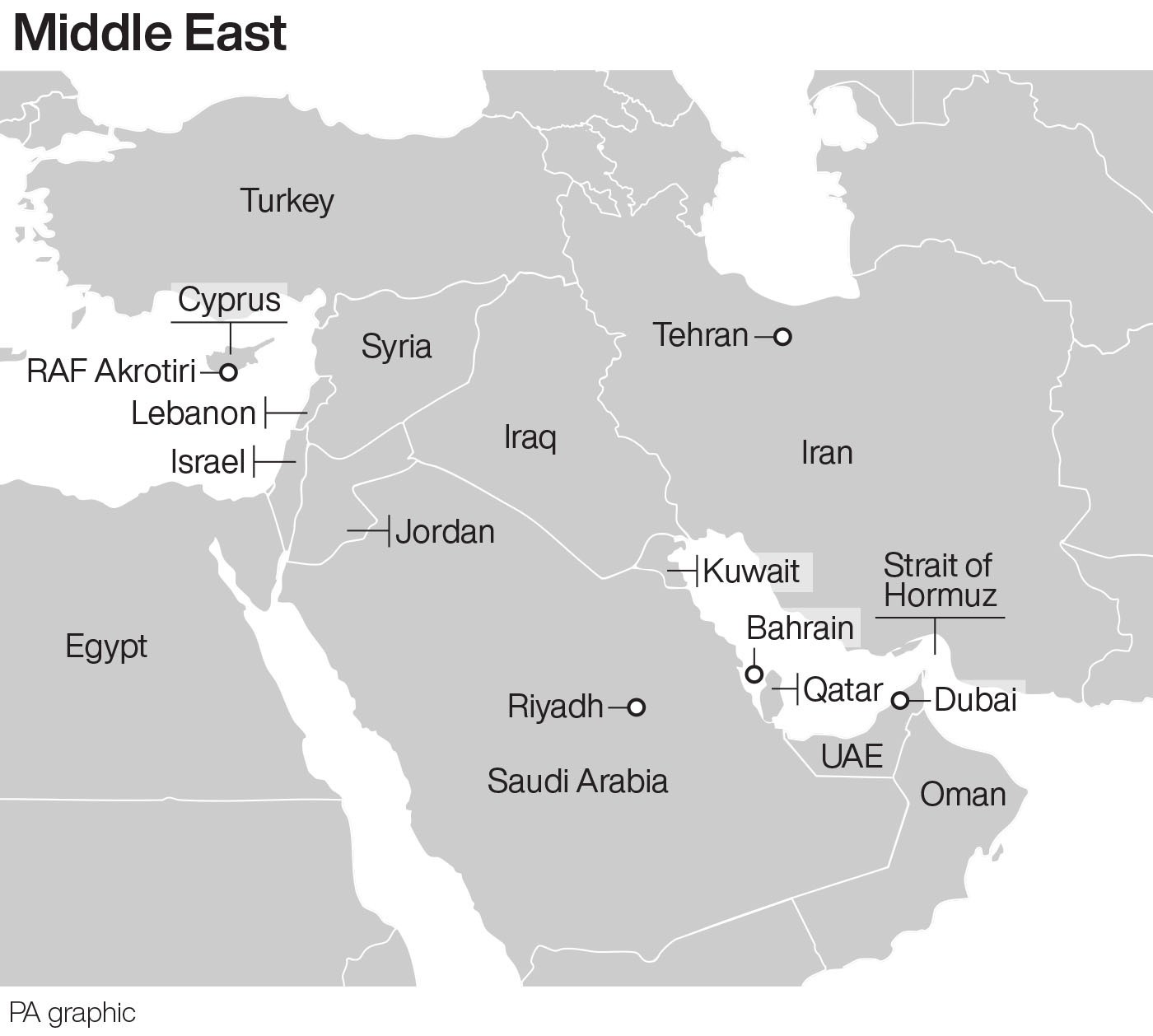
The claim came as Iran fired on targets across the region, setting Kuwait’s Mina al-Ahmadi oil refinery one fire.
The state-run Kuwait Petroleum Corp said firefighters were working to control several blazes there.
Kuwait also said that an Iranian attack caused “material damage” to a desalination plant.
Such plants are responsible for most of the drinking water for Gulf states, and they have become a major target in the war.
 PA Media
Tehran has kept the pressure on Israel and its Gulf Arab neighbours, despite US and Israeli insistence that Iran’s military capabilities have been all but destroyed.
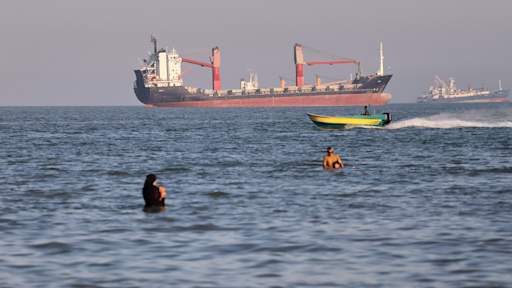
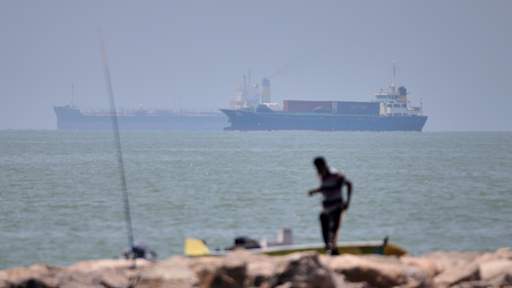
Iran’s attacks on Gulf energy infrastructure and its tight grip on the Strait of Hormuz, through which a fifth of the world’s oil and natural gas transits in peacetime, have roiled stock markets, sent oil prices skyrocketing, and threatened to raise the cost of many basic goods, including food.
Spot prices of Brent crude, the international standard, were around 109 dollars (£82.52) on Friday, up more than 50% since the start of the war, when Iran began restricting traffic through the Strait of Hormuz.
Sirens also sounded in Bahrain, Saudi Arabia said it had destroyed several Iranian drones, and Israel reported incoming missiles.
Authorities in the UAE shut down a gas field after a missile interception reportedly rained debris on it and started a fire.
Activists reported strikes around Tehran and the central city of Isfahan, but it was not immediately clear what was hit.
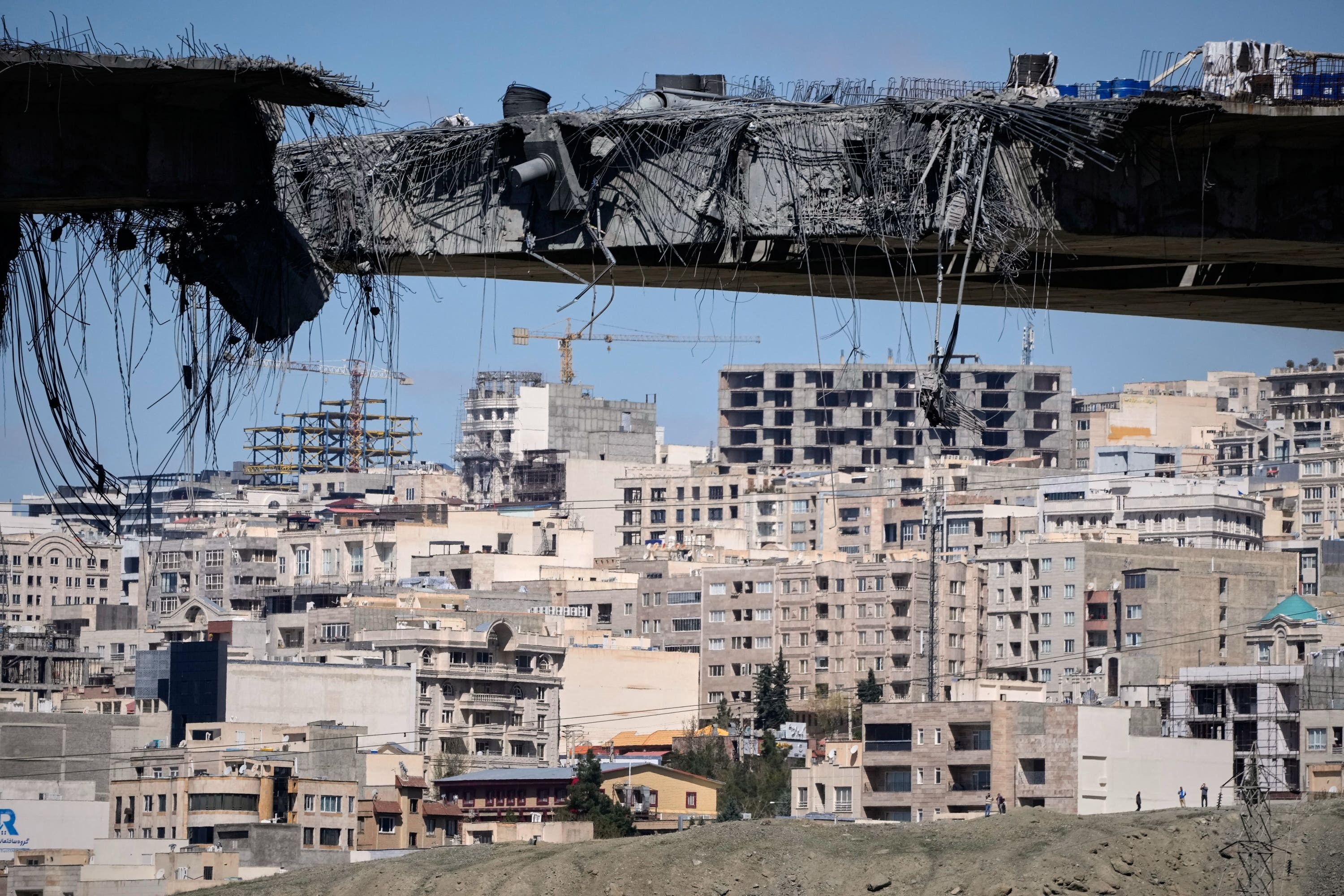
A day earlier, Iran said the US hit a major bridge, which was still under construction, killing eight people.
More than 1,900 people have been killed in Iran since the war began on February 28 with US and Israeli strikes.
In a review released on Friday, the Armed Conflict Location and Event Data, a US-based group, said they found that civilian casualties were clustered around strikes on security and state-linked sites “rather than indiscriminate bombardment” of urban areas.
 PA Media
More than two dozen people have died in Gulf states and the occupied West Bank, while 13 US service members have been killed and 19 have been reported dead in Israel.
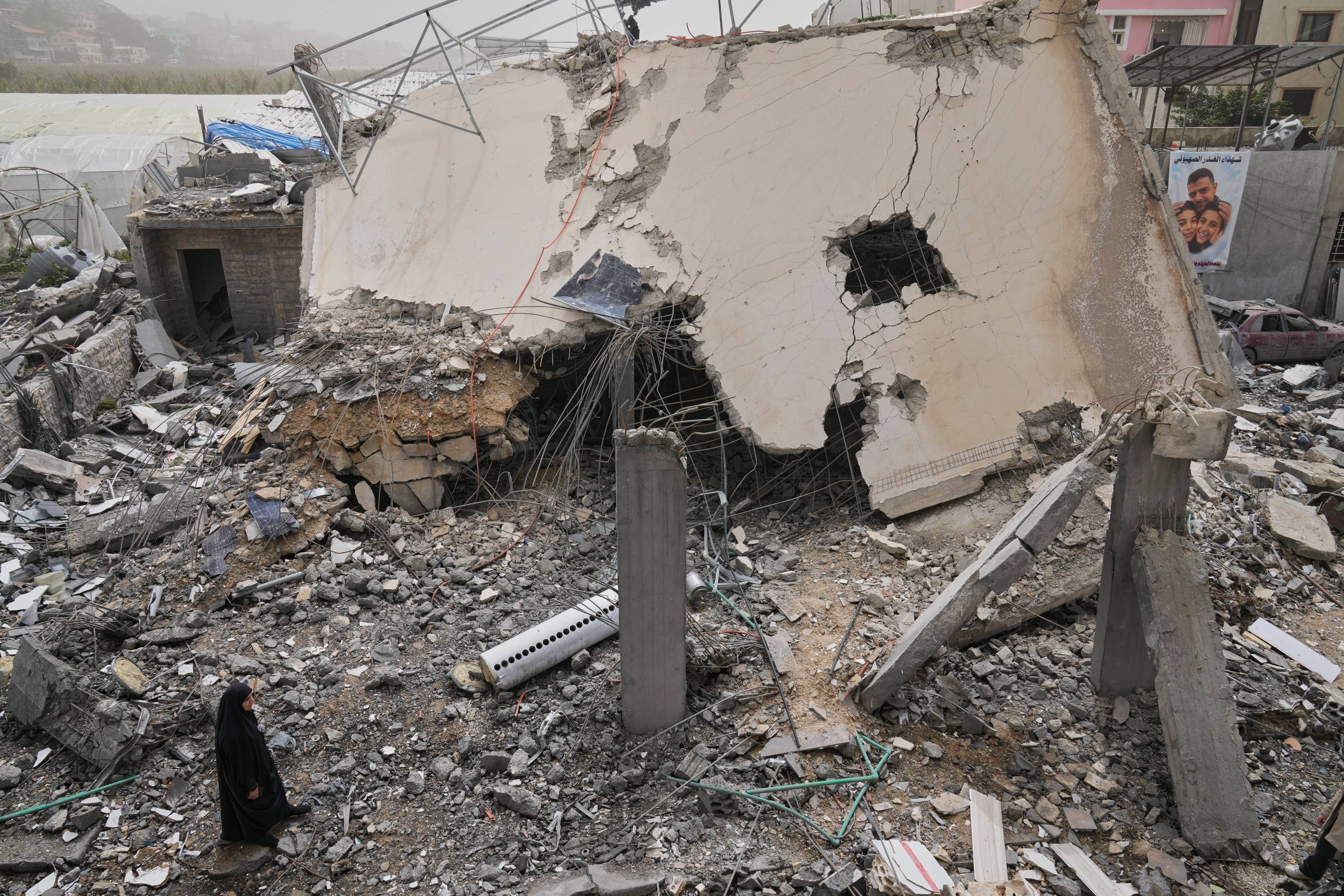
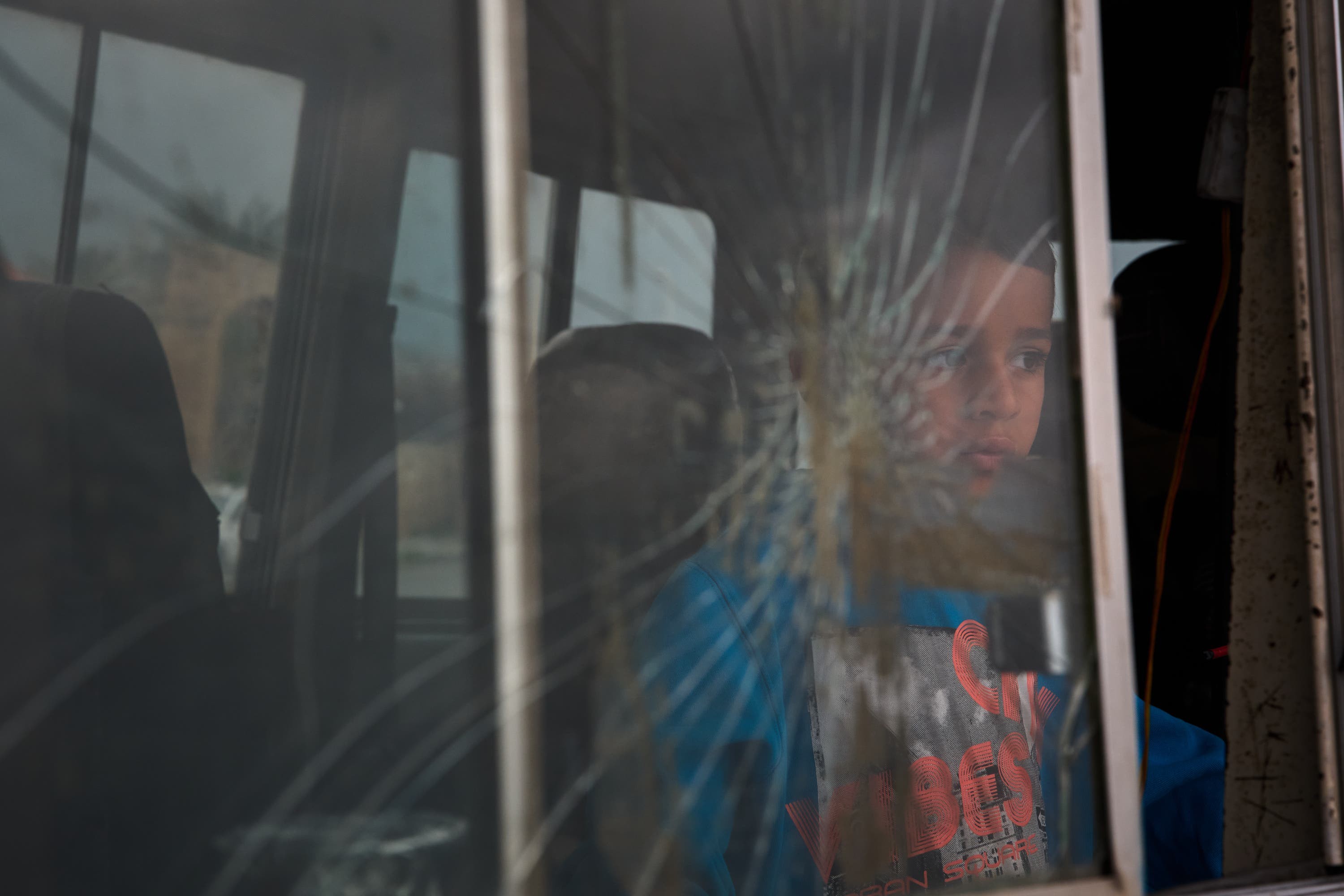
More than 1,300 people have been killed and more than one million displaced in Lebanon, where Israel has launched a ground invasion in its fight with the pro-Iranian Hezbollah militant group.
Ten Israeli soldiers have also died there.
In a sign that part of Iran’s theocracy could be willing to negotiate, the country’s former top diplomat published a proposal for ending the conflict in an influential American magazine.
Former Iranian foreign minister Mohammad Javad Zarif — a diplomat with long experience negotiating with the West who remains close to a pragmatic wing of Iran’s leadership — wrote on Friday that the time has come to end the suffering.
 PA Media
“Prolonged hostility will cause a greater loss of precious lives and irreplaceable resources without actually altering the existing stalemate,” Mr Zarif, who helped negotiate Iran’s 2015 nuclear deal with world powers, wrote in Foreign Affairs magazine.
The US has presented Iran with a 15-point plan for a ceasefire that includes reopening the Strait of Hormuz, dismantling Iran’s nuclear facilities and limiting its missile production in exchange for sanctions relief.
But no signs of progress were apparent in the diplomatic effort.
Follow STV News on WhatsApp
Scan the QR code on your mobile device for all the latest news from around the country