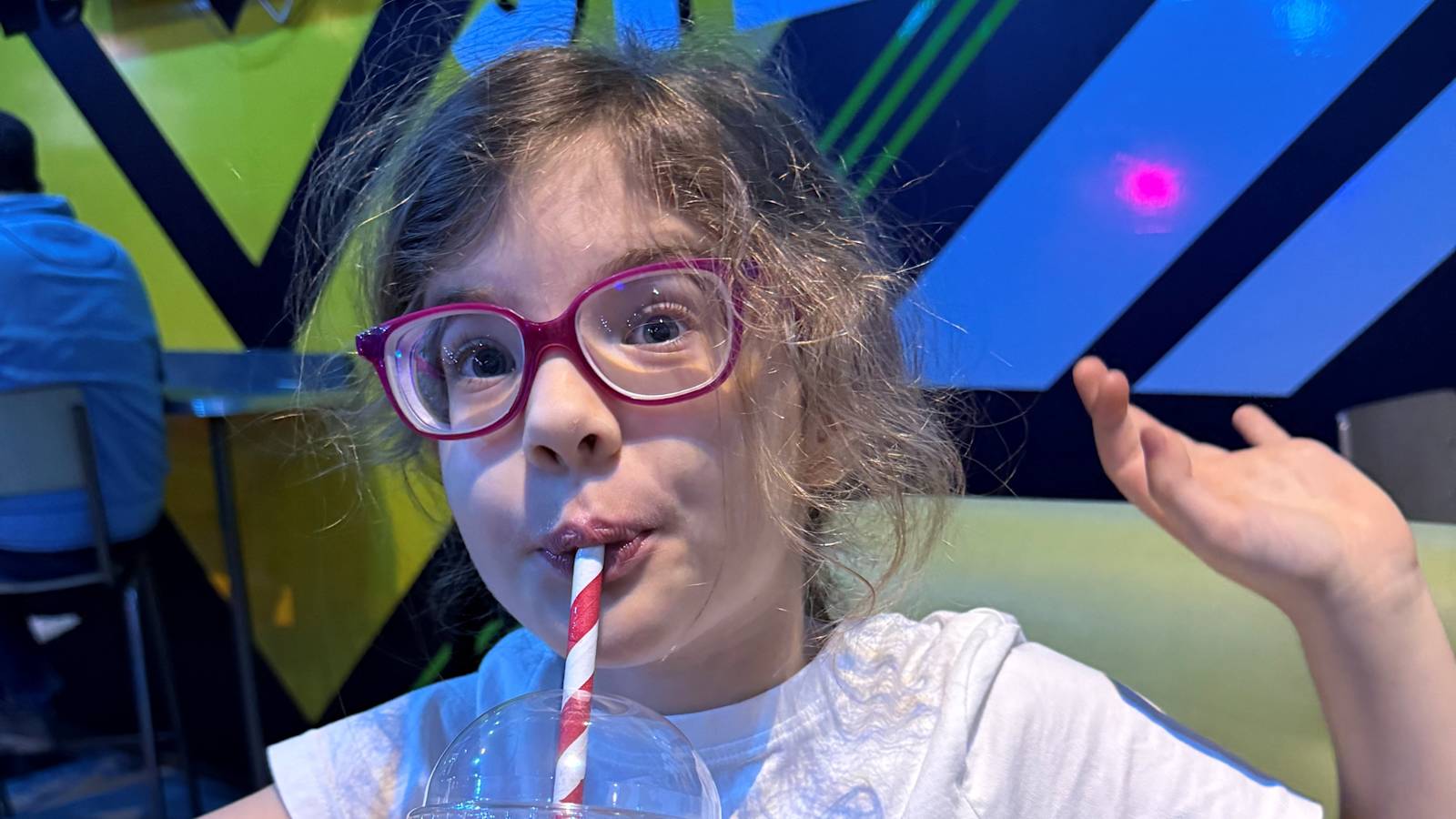
Saffie was five years old when she was diagnosed with a rare condition that meant she had no vision in low light and could end up losing her vision completely if not treated, as ITV News Health Correspondent Rebecca Barry reports
The parents of a six-year-old girl whose eyesight has been restored by gene therapy have described the results as a “miracle”.
Saffie Sandford, from Stevenage in Hertfordshire, has a rare genetic condition called Leber’s Congenital Amaurosis, which causes blindness.
Children with the condition typically have very little vision in daylight, and none in low light. It can lead to complete loss of sight by adulthood.
By the age of five, Saffie needed to use a torch to eat her meals and was unsteady on her feet.
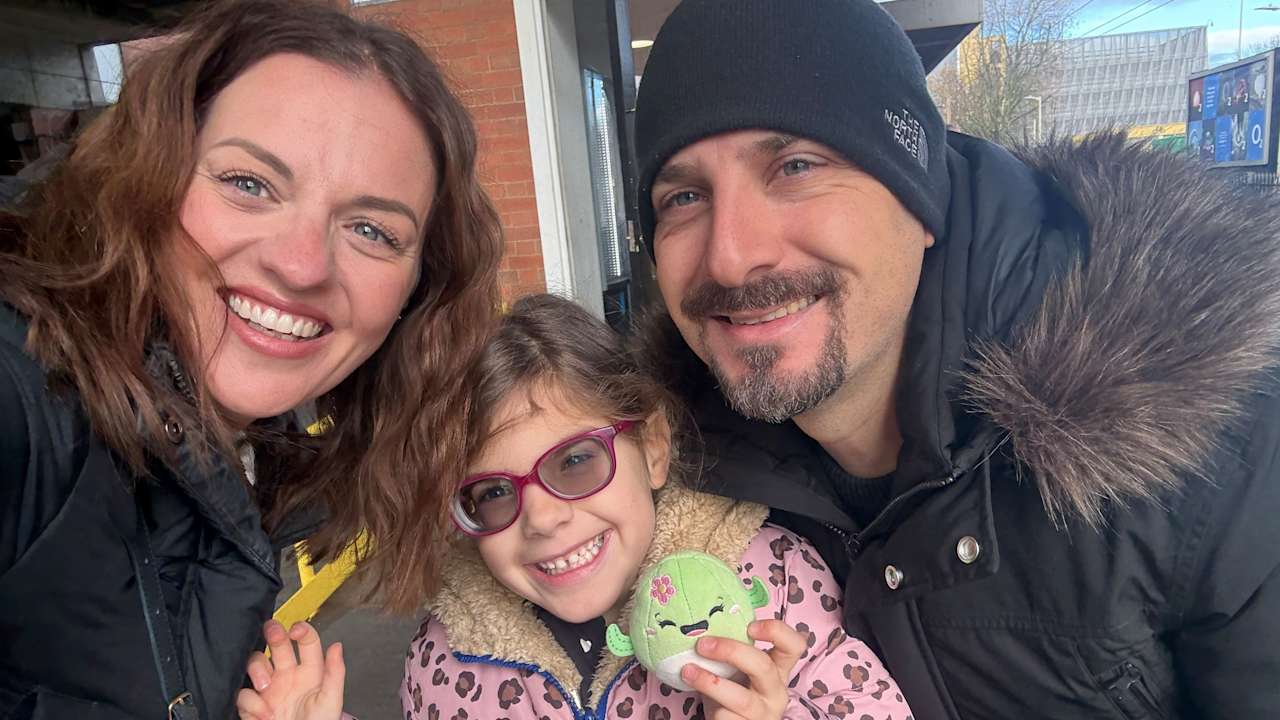
Saffie’s mum, Lisa Sandford, spoke to ITV News about the day they received the diagnosis.
“We both just cried,” said Lisa. “You can’t comprehend losing your eyesight – and you definitely can’t comprehend it for your child.”
But in 2025, Saffie had life-changing gene therapy at Great Ormond Street Hospital (GOSH).
Saffie has a faulty RPE 65 gene, which prevents cells in the eye making a protein needed for vision.
A modified virus was injected directly into the back of Saffie’s eyes, introducing healthy copies of the gene into the cells.
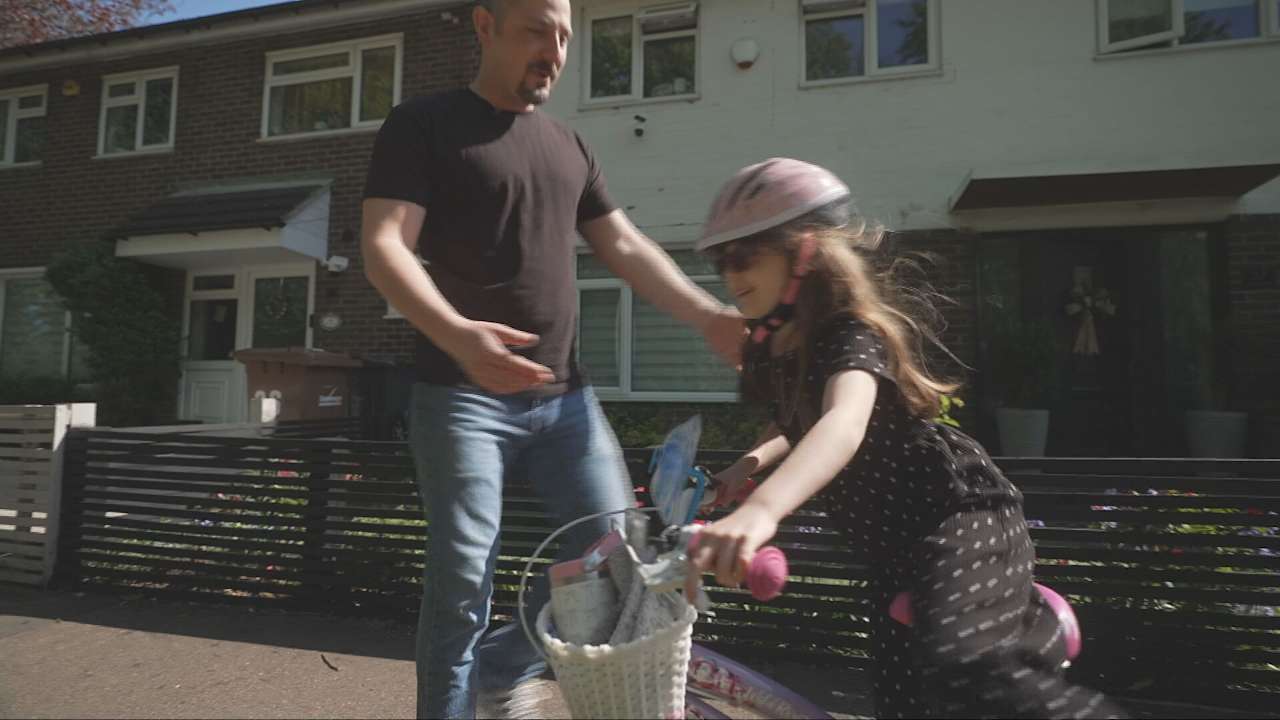
Saffie can now, for the first time, see her parents’ faces in the dark; she has learnt to ride a bike, enjoys trampolining and swimming – all activities that she struggled to do before the treatment.
“It’s like a miracle,” Lisa told ITV News.
“It’s like they have waved a magic wand and given Saffie her sight back. I just don’t think there is a better gift than that.”
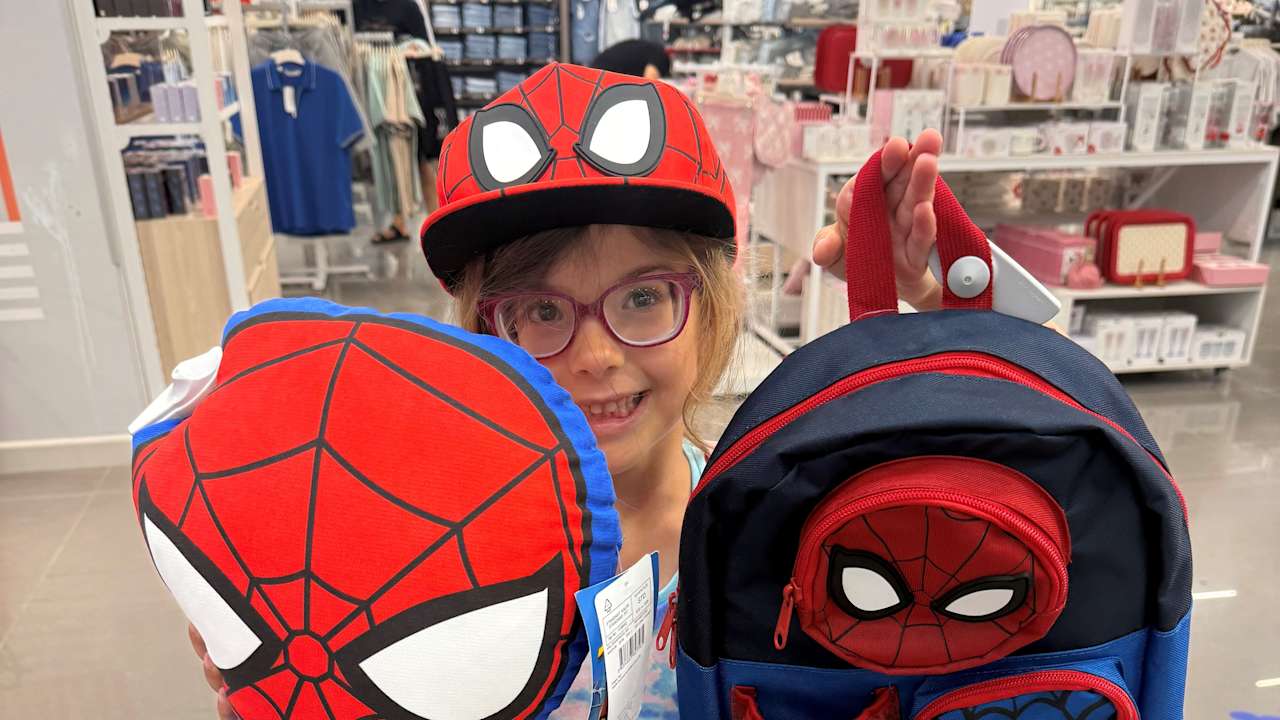
Researchers at GOSH and University College London (UCL) recently published new evidence showing that treating younger children, like Saffie, who have a rare inherited blindness with this gene therapy can improve sight at a critical stage of brain development.
Traditional eye tests can be difficult for young children, so the research team measured the electrical impulses being sent from the retina to the brain. Seventy per cent of the children showed improvements after treatment.
The team hopes this evidence will lead to more investment in gene therapy for children with other forms of rare genetic blindness.
Follow STV News on WhatsApp
Scan the QR code on your mobile device for all the latest news from around the country