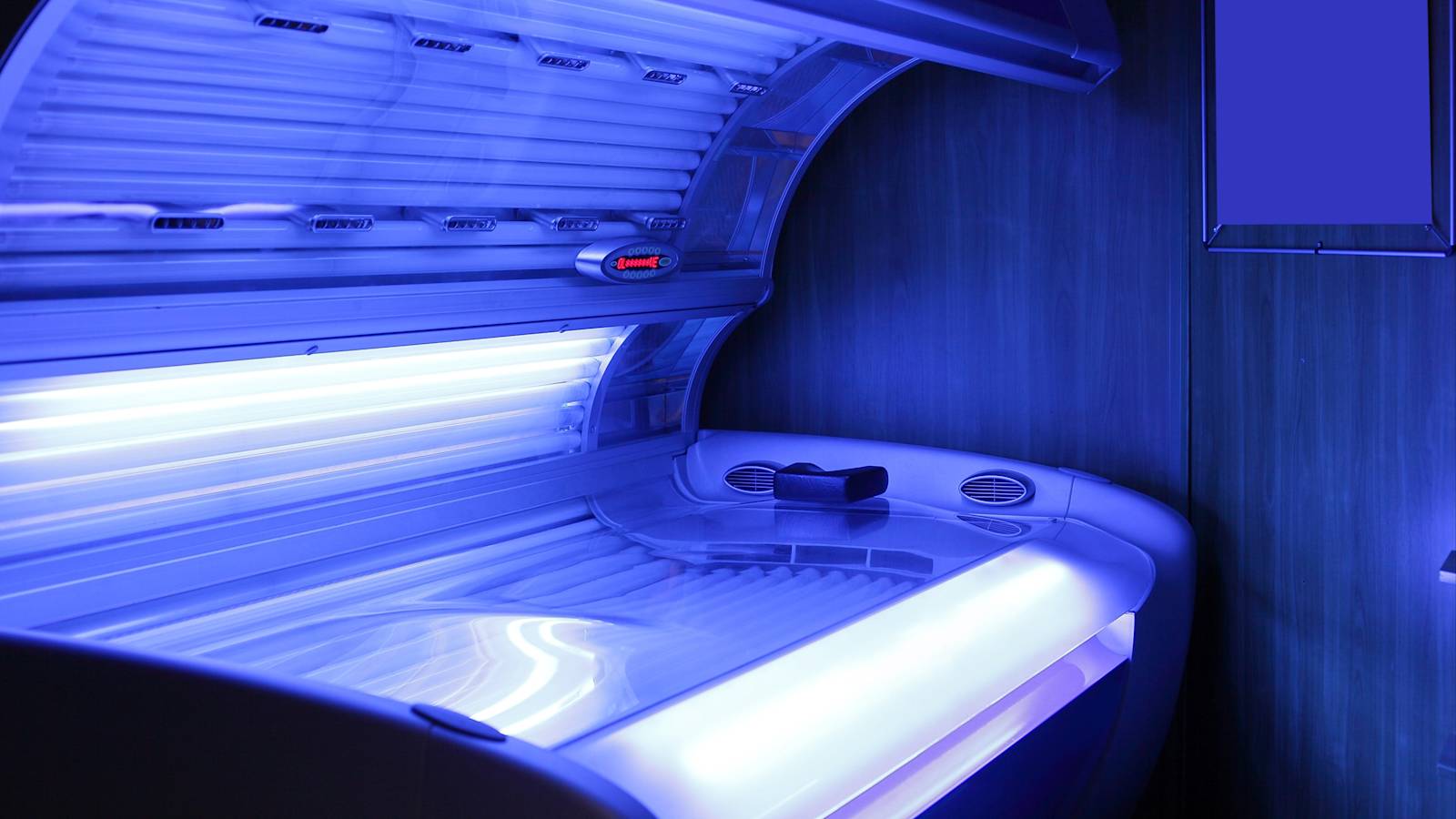
The government should consider a “total ban” on commercial sunbeds, a committee of senior advisors has urged ministers, amid reports of increased popularity of the products among young people.
The new report from the Committee on Medical Aspects of Radiation in the Environment (Comare), which is advising the government on the health effects of radiation, says that sunbed use has “not been much reduced, despite the introduction of laws to control use”.
It says that there are also suggestions that young people are “increasingly” using them.
Meanwhile, some sunbed operators are using social media to make “false and unsubstantiated claims of health benefits” of sunbeds, the new report states.
The experts recommend that the government should “consider whether it is appropriate to introduce a complete ban on the commercial use of sunbeds”.
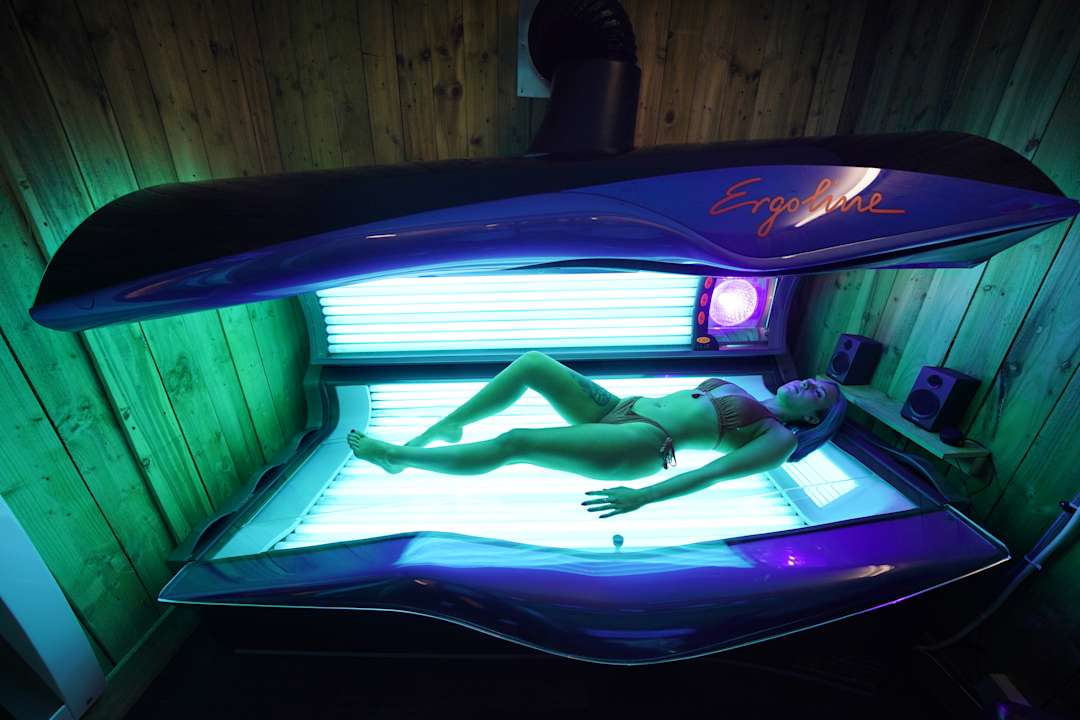
Sunbeds use high-intensity ultraviolet (UV) radiation for tanning.
Comare is a senior group of independent advisors who work within the government to give advice on the health effects of natural and human-made radiation.
Cancer Research UK says there is “no such thing as safe UV tanning” and too much UV radiation from the sun or sunbeds causes skin cancer.
Leading skin doctors from the British Association of Dermatologists and the British Photodermatology Group have called for a complete ban on commercial sunbeds.
Since 2010 it has been illegal for children to use sunbeds.
But the new report states: “The numbers of commercial sunbed outlets in the UK do not appear to have declined appreciably since 2009, suggesting that use has also not been much reduced, despite the introduction of laws to control use.
“There are also indications of increasing use by young people.”
The authors add: “Some sunbed operators are making false and unsubstantiated claims of health benefits and this is reinforced by the prevalence of such misinformation on social media platforms.”
They recommend that the government should revisit 2009 recommendations to control sunbed use.
Comare also call for the government to consider a total ban which “may be considered a legitimate course of action”.
“Government will also wish to consider whether it is appropriate to introduce a complete ban on the commercial use of sunbeds,” the authors wrote.
“While a ban should save lives and reduce costs of cancer treatment, there are wider policy considerations, for example in relation to the constraint on freedom of individual choice, which applies to a range of self-imposed risks.
“If government opts for a ban, this will require careful planning, with supporting public awareness campaigns and strong enforcement.”
The report highlights a study which found that banning commercial sunbeds would be cost-effective and would lead to fewer cases of skin cancer, fewer skin cancer deaths and ease the burden on the NHS.
There are currently three countries that have banned commercial sunbeds: Iran, Brazil and Australia. These bans apply to commercial sunbeds but home or private use remains possible.
Commenting on the report, Dr Tamara Griffiths, president of the British Association of Dermatologists, said: “There is now a consensus that sunbed regulation and enforcement in the UK are not strong enough.
“The British Association of Dermatologists believes that the case for a ban is already strong.
“Sunbed operators have demonstrated that they are not able to consistently meet existing requirements, including limits on the amount of UV radiation emitted by their machines and age restrictions.”
The Department of Health and Social Care has been approached for comment.
Follow STV News on WhatsApp
Scan the QR code on your mobile device for all the latest news from around the country