Report by ITV News Social Affairs Correspondent Sarah Corker and Senior Producer Lottie Kilraine
After decades of suffering alone, more women exposed to the controversial drug Stilbestrol are breaking their silence to speak out on what’s been described as one of the worst medical disasters in NHS history.
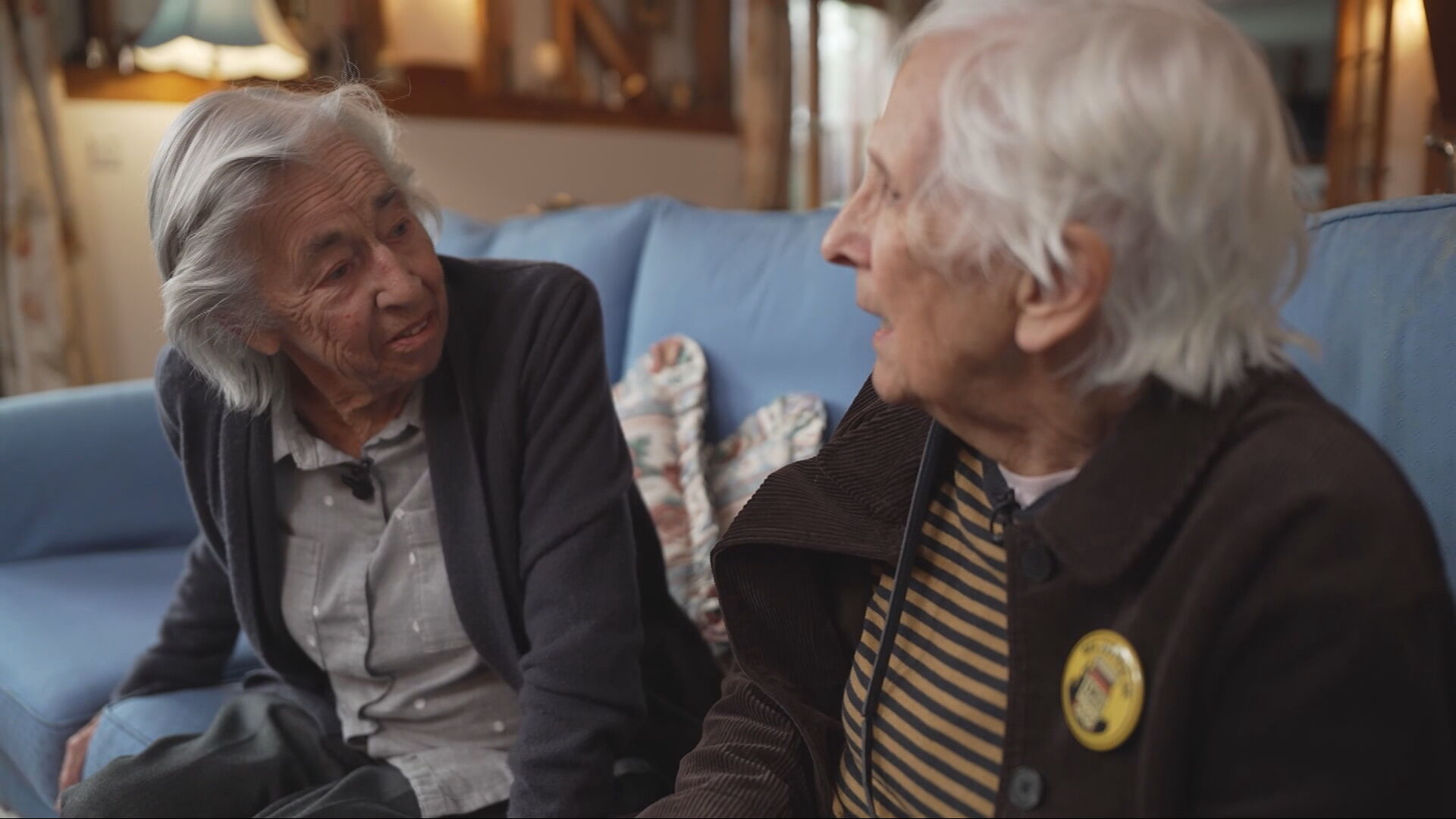
ITV News has brought together two mothers who were prescribed the anti-miscarriage drug commonly known as DES in the 1960s.
Jenny Brooks, 87, who lives in Berkshire, and 94-year-old Hilary Tasker, from Oxfordshire, have lived with the guilt of taking the DES all their life.
It was prescribed by NHS doctors, but they fear it may have affected the health of their children.
Both women described meeting another DES mother as “a release” and said it has made “a huge difference to finally be able to talk about it”.
DES was a synthetic hormone prescribed to an estimated 300,000 women on the NHS between the late 1930s and 1980s to treat several issues, including miscarriage, until it was linked to rare cancers and infertility in the daughters of those who took it.
The government has apologised to victims of the DES drug scandal after our year-long ITV News investigation exposed the scale of the harm caused, and the Health Secretary Wes Streeting has agreed to meet victims in the new year.
‘The pain was excruciating’: Jenny’s story
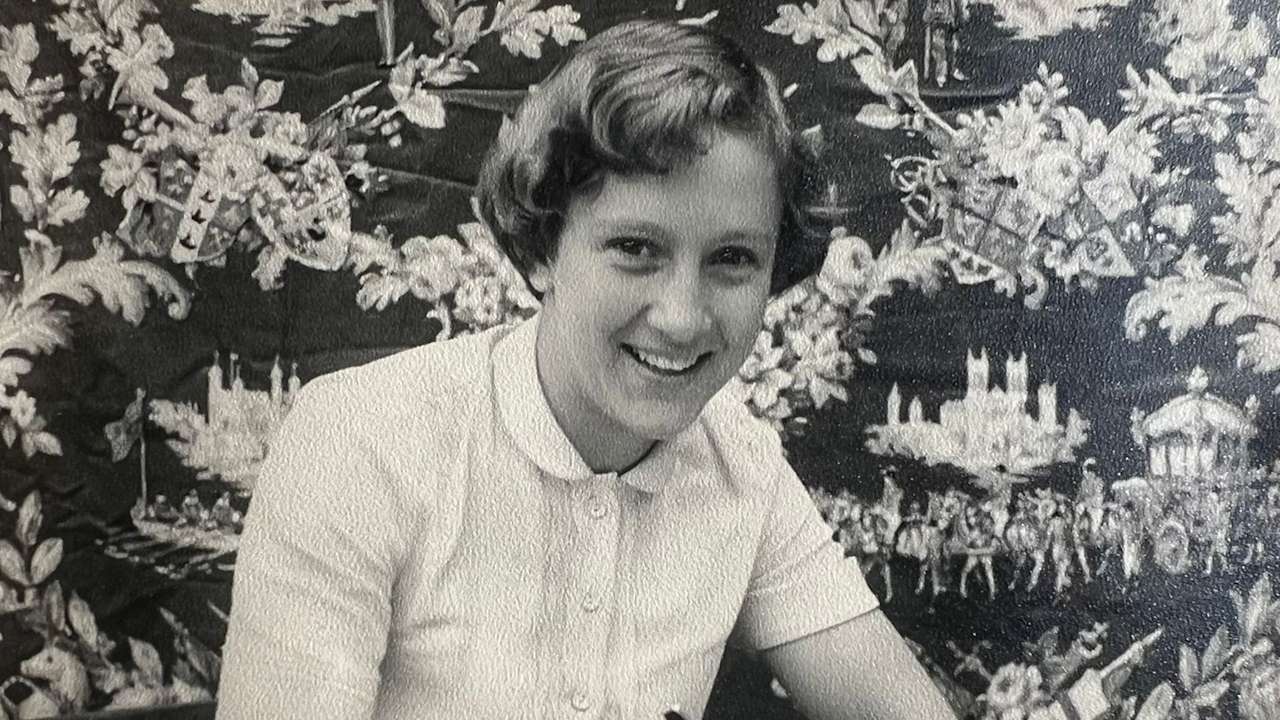
The decades may have passed, but Jenny Brooks can still recall the hospital ward in London where she was prescribed DES in the 1960s.
She was in her early 20s and suffering from pregnancy complications.
“Looking back, I knew there was something not right, something that we weren’t being told,” Jenny told ITV News.
“I was in the hospital with about five other ladies all in a row, all given the same tablet for the same reason. We had to stay in bed the whole time away from our families, that was really quite traumatic.”
She believes she may have been part of a medical trial.
Years later in the 1990s she developed a rare type of gynaecological cancer which Jenny believes may be linked to her DES exposure.
Seven operations, plastic surgery and reconstruction followed. Treatment which has left her incontinent.
“It’s had a massive impact on my health,” she said. “The pain from one operation was excruciating, it came like a lightning flash.”
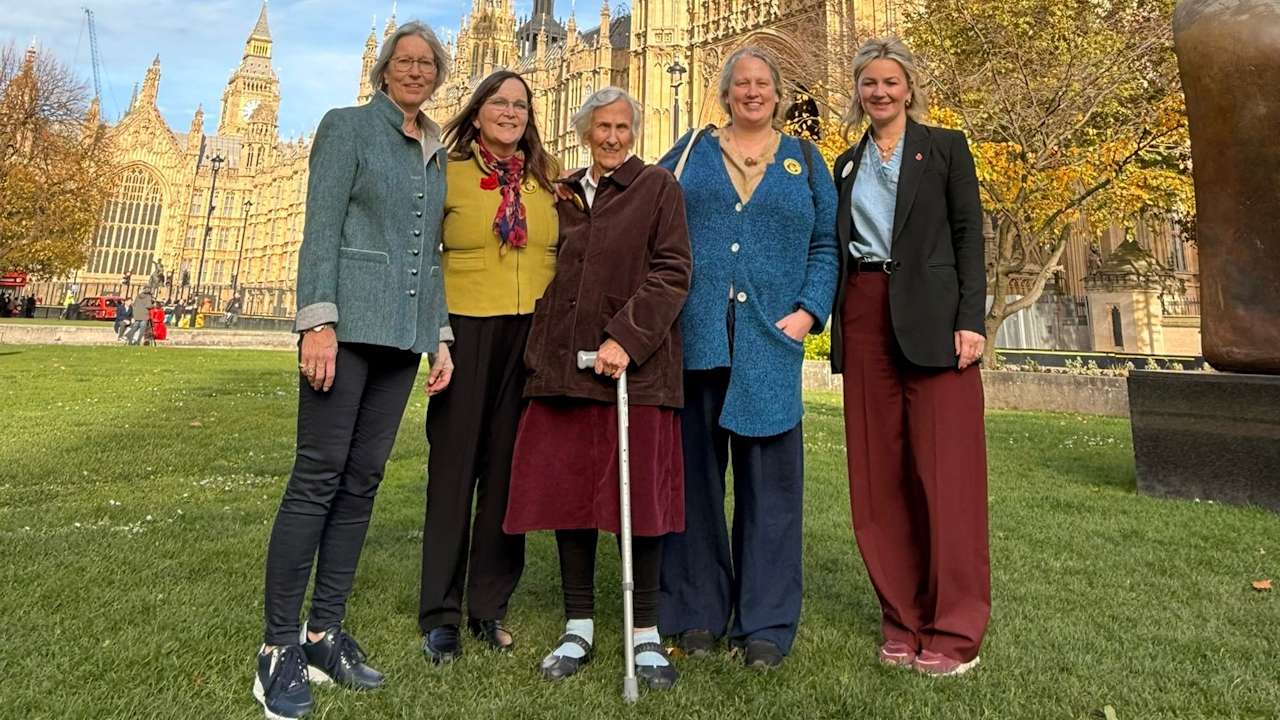
In November, Jenny, who is a retired medical secretary, was among a group of campaigners who travelled to Westminster to launch their campaign for justice and raise awareness of DES and its toxic legacy.
“We need to educate medical staff at all levels about this, not just gynaecologists, so it’s out in the public, like Thalidomide and the damage that did, but this (damage) is hidden,” she added.
‘You didn’t question it’: Hilary’s story
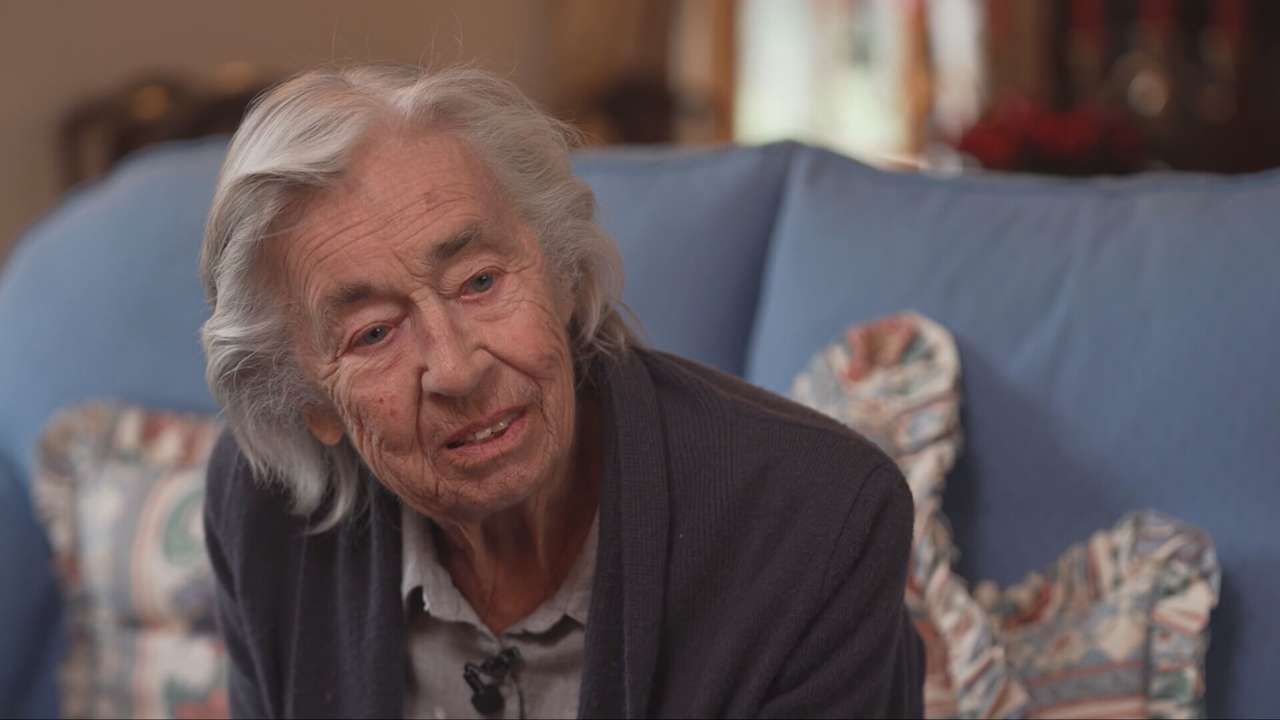
Hilary Tasker, 94, from Thame was prescribed DES in 1960 while living in Cheshire.
“I’d had about five miscarriages before I fell pregnant with my daughter,” she told ITV News.
“The doctors then put me to bed for a whole seven months.”
On being prescribed DES, Hilary recalled how “times were different” in the 1960s and you were not encouraged to question medical professionals and doctors.
“If he decided he was going to give you something, you didn’t question it,” she said.
In total, Hilary suffered nine miscarriages.
Medical research suggests pregnant women who took DES may have a 30% higher risk of breast cancer.
Their daughters are 40 times more likely to develop clear cell adenocarcinoma of the vagina and cervix, a rare and aggressive form of cancer.
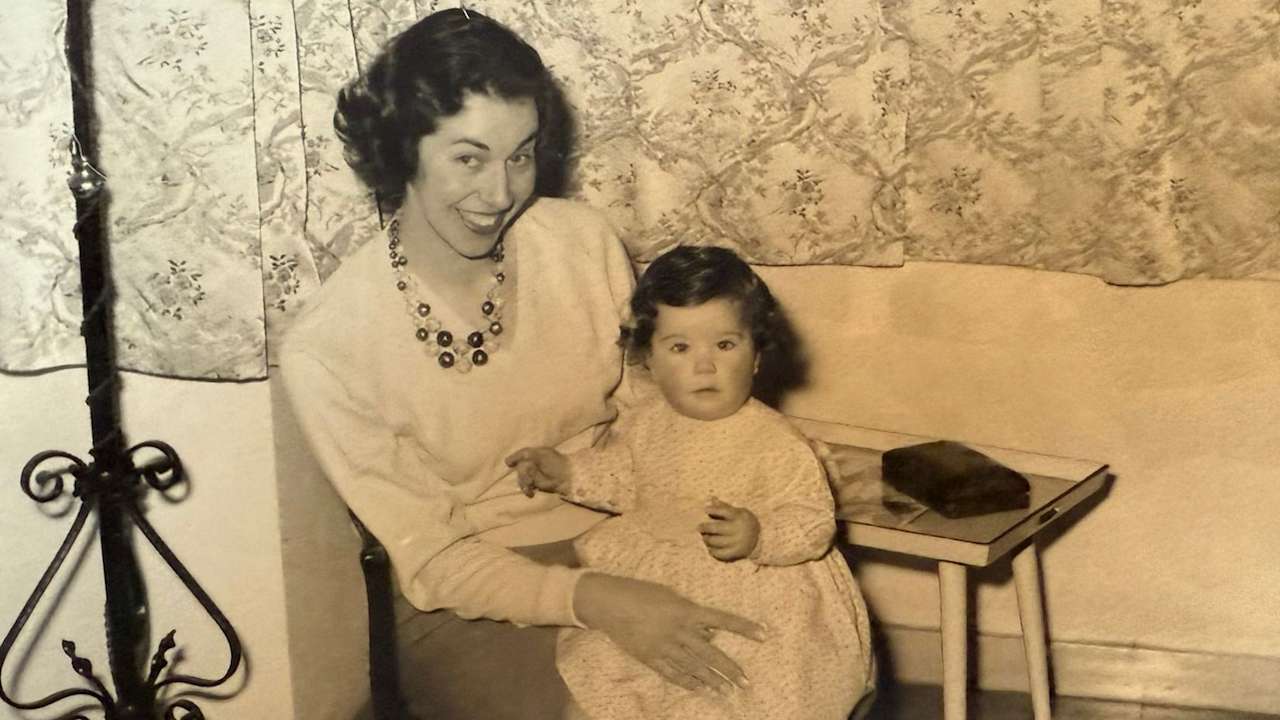
It was only when her daughter, Helen Westropp, began experiencing gynaecological problems in her teens and then developed breast cancer as an adult, that Hilary discussed the potential impact of DES exposure with her family.
She was shocked to learn how widely the drug was used across the NHS, once seen as a panacea for pregnancy complications.
“At the time you had no knowledge of how many other people were given it,” she said. “It’s only comparatively recently that’s we’ve known the numbers.”
Like many women who took DES, Hilary said accessing her medical records to understand the dosage of DES that she was given had proved difficult.
The casual way the drug was given out, poor record keeping and the time that has passed means that many women will never find out the truth.
‘For some of us it’s too late’: Helen’s story
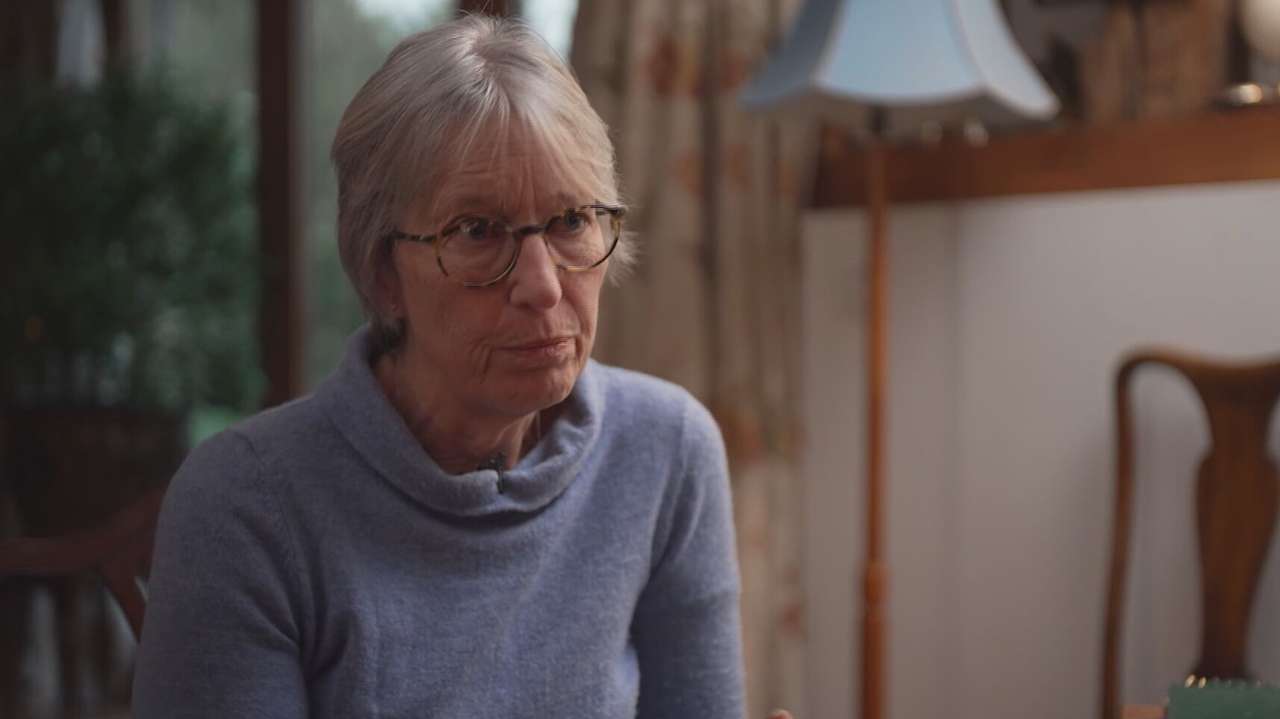
DES harm can be passed down the generations affecting the children of those who took the drug, according to scientific studies.
Hilary’s daughter Helen, 64, believes DES has had a huge effect on her health.
“I have a womb which is misformed, it’s back to front,” she told ITV News. “I never fell pregnant, and I have a very bad immune system.”
She later developed breast cancer and has urged the government to improve medical care and screening for the next generation as soon as possible.
“For anybody who knows that they’ve been affected by it, there should be a proper screening programme put in,” she said.
“I’m particularly concerned about the next generation down, because I think to some extent for some of us it’s too late.”
Helen also believes it vital that the government attempts to trace and inform families that have been DES exposed and improve understanding of the impacts of DES amongst the medical community.
She says most doctors she has raised the issue with “look at you with a blank face, they’ve never heard of it”.
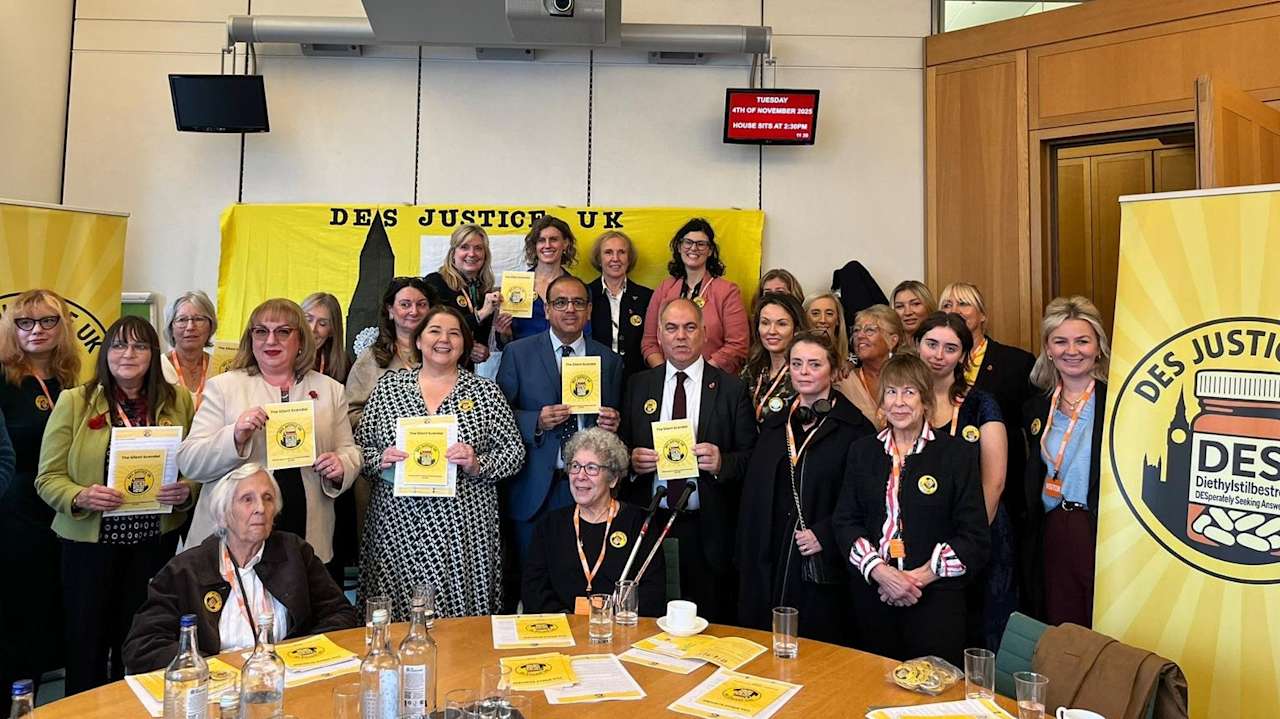
The brand strategist and consultant who lives in Oxfordshire is part of the recently formed DES Justice UK group, made up of more than 400 people affected by DES.
Victims and their families are calling for a full statutory public inquiry. They also want medical research into the long-term, intergenerational effects of the drug and a compensation fund.
In November, the Health Secretary admitted “the state got this wrong” after our year-long ITV News investigation revealing the scale of the DES scandal and agreed to meet those affected.
Streeting also apologised to victims “on behalf of the state and government” and urged anyone affected to contact their GP.
“The important thing now is that we get people the right support,” he said.
Information or support about the issues raised in this report can be found online:
- Information on Diethylstilbestrol (DES) Exposure and Cancer
- Legal firm Broudie Jackson Canter has set up a campaign page for DES exposed people
- There is information on cervical cancer and breast cancer on the NHS website
- Information on the government screening programme can be found here
- If you think you need medical help right now, please contact your GP or visit 111 online, or call 999 in an emergency.
If you or anyone you know has been affected by this issue or has a story to share, you can get in touch by emailing: socialaffairs@itv.com
Follow STV News on WhatsApp
Scan the QR code on your mobile device for all the latest news from around the country