The new test is being hailed as a medical breakthrough, as ITV News Midlands Correspondent Stacey Foster reports
Medical breakthroughs often happen in unexpected parts of the country.
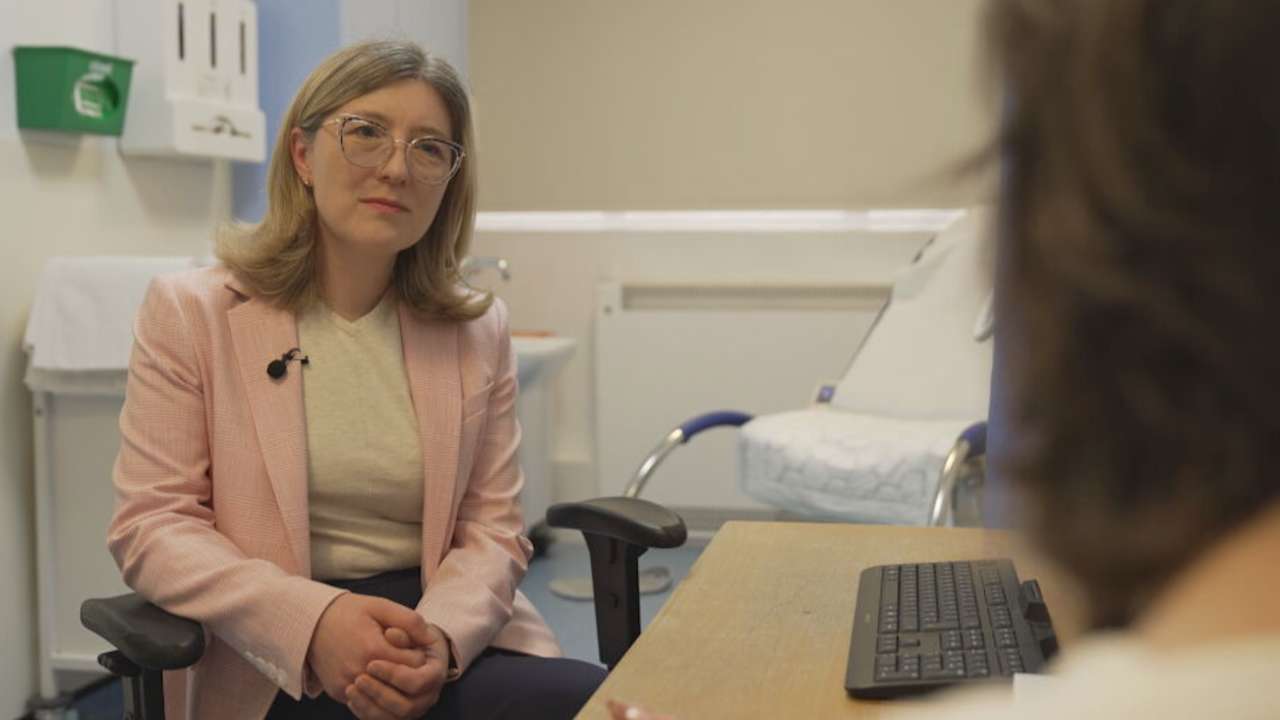
But when I meet Doctor Esther Moss in one of the many buildings that make up Leicester Royal Infirmary, I am surprised how she seems to downplay this latest finding.
“It’s a whole team effort,” she tells me.
We walk into a small unassuming gynaecology clinic room. There at the back of the room, I see the chair that, I’ve been told, most patients dread. The gynae chair.
Dr Moss made it her mission eight years ago to come up with a test for her patients who were worried their endometrial cancer had returned post treatment.
“Many patients find speculum and pelvic examination very challenging at the best of times, let alone after cancer surgery,” she says.
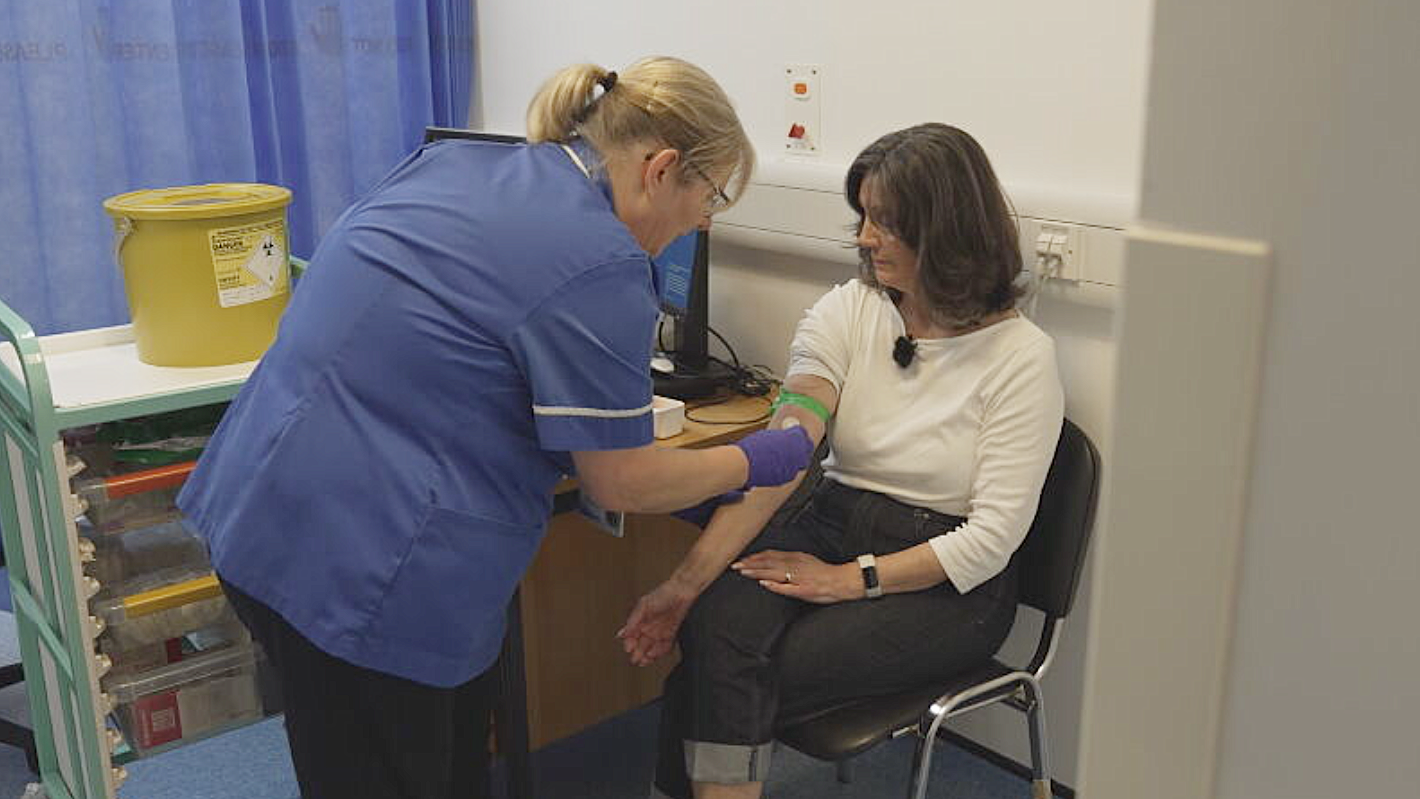
The ECctDNA test, which looks for fragments of cancer in patients’ blood, makes it easier and far less invasive to detect whether cancer has recurred, removing the need for patients to have to undergo invasive physical examinations, scans and potentially uncomfortable biopsies.
Experts at the University of Leicester and University Hospitals of Leicester NHS Trust have developed the test as part of a study which recruited more than 85 women with endometrial cancer who were receiving treatment at the Leicester Royal Infirmary.
Endometrial cancer, or womb cancer as it is also known, starts in the lining of the uterus (womb), called the endometrium.
It is now the fourth most common cancer in women with around 9,800 women diagnosed in the UK every year.
“We have been able to develop a blood test that can not only diagnose womb cancer recurrence more quickly but can avoid the need for confirmatory invasive biopsies,” Dr Moss says.
“It can also give important information to the clinical team on the genetic changes that are driving the cancer to recur, which could be used to guide patients’ further treatment'”.
The blood test nearly didn’t happen.
During Covid, when the trial was at an active stage, all follow up appointments became telephone appointment and so it was difficult to collect the blood samples from patients.
Gillian Stacey, 80 from Leicester, was among those who took part in the study.
She was diagnosed with endometrial cancer 11 years ago after experiencing unexpected bleeding.
Her womb was removed by the gynaecological oncology team in Leicester and she received follow-up chemotherapy, radiotherapy and brachytherapy.
Gillian says her initial diagnosis of long-term survival was given as six months but she is still here fighting, even after developing cancer recurrence in the lungs five years later.
She also takes a hormonal cancer therapy drug and says: “I owe my life to Dr Esther Moss.”
“I’ve had many medical examinations over the years and it can be incredibly invasive,” Gillian says.
“You go through it and you do what you have to do, but if there’s an easier and less traumatic way to diagnose this type of cancer then that would be a wonderful thing.”
Dr Moss tells us the rationale for developing a blood test is that it can deliver a result within 48 hours which is far quicker and more cost-effective than a biopsy or internal examination.
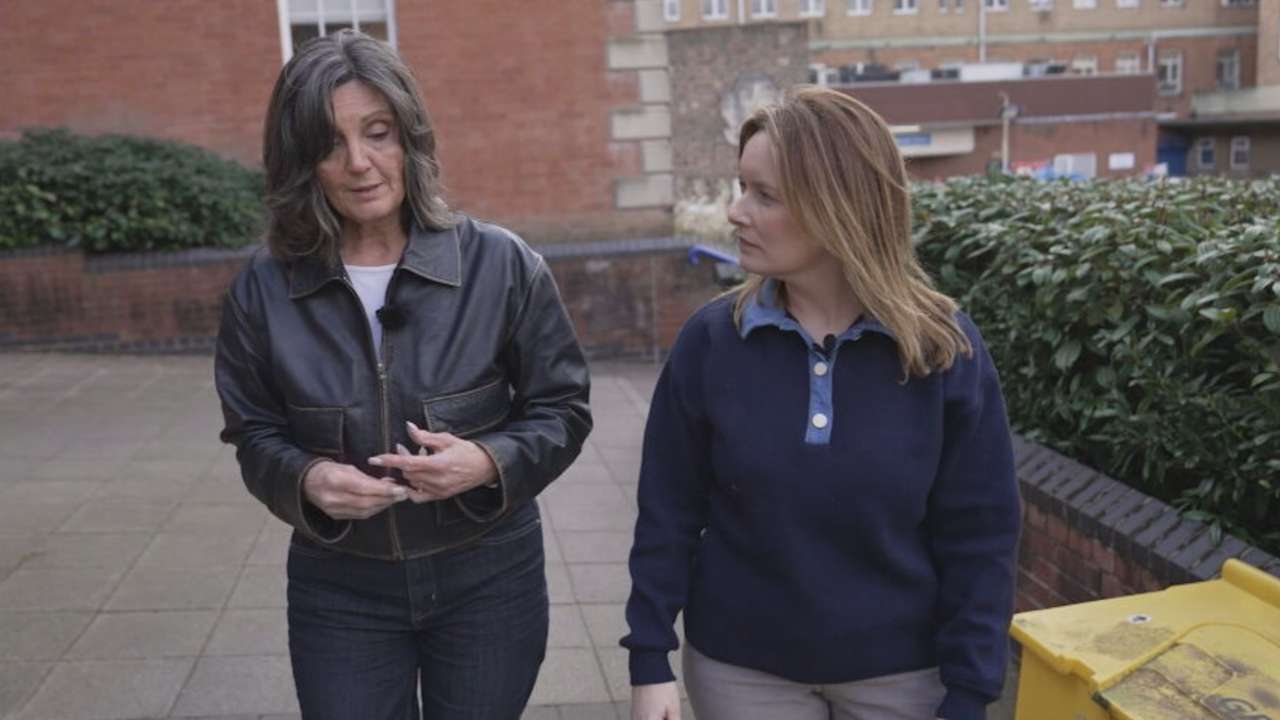
At the hospital, I meet Pippa Clarkson, a now retired fashion buyer from Leicestershire. She was diagnosed with womb cancer after noticing she was bleeding after the menopause.
“I went through that at 52, I’m 57 at this point,” she tells me.
“I had quite a lot of internal examinations … they are undignified and it’s also not always with a lady doctor. That was always stressing me out a bit.
“I always wanted a female doctor but you can’t guarantee it. It’s just something you have to build yourself up for. I didn’t find it particularly painful but some people do.”
After having surgery to remove her womb, Pippa had a short course of follow up treatment before opting for five years of review to ensure the cancer didn’t come back. That’s when she was recruited to Dr Moss’ study.
“At that point, I was approached by the team and asked if I’d be prepared to take part in this trial. And obviously I said yes because I wanted to give something back,” she says.
“It’s a bit of a no-brainer really but I don’t think I had any idea just how important at that point in time it was actually going to be.”
Dr Moss and other scientists at the University Hospitals of Leicester’s NIHR Biomedical Research Centre and University of Leicester are now working on the additional validation and quality control needed to allow the test to be used across the NHS.
It’s expected that the new blood test to detect endometrial cancer recurrence will be common practice in NHS hospitals by 2028.
Follow STV News on WhatsApp
Scan the QR code on your mobile device for all the latest news from around the country