A new cat species has been discovered for the first time in 100 years.
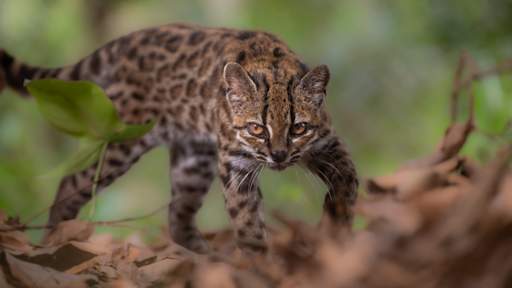
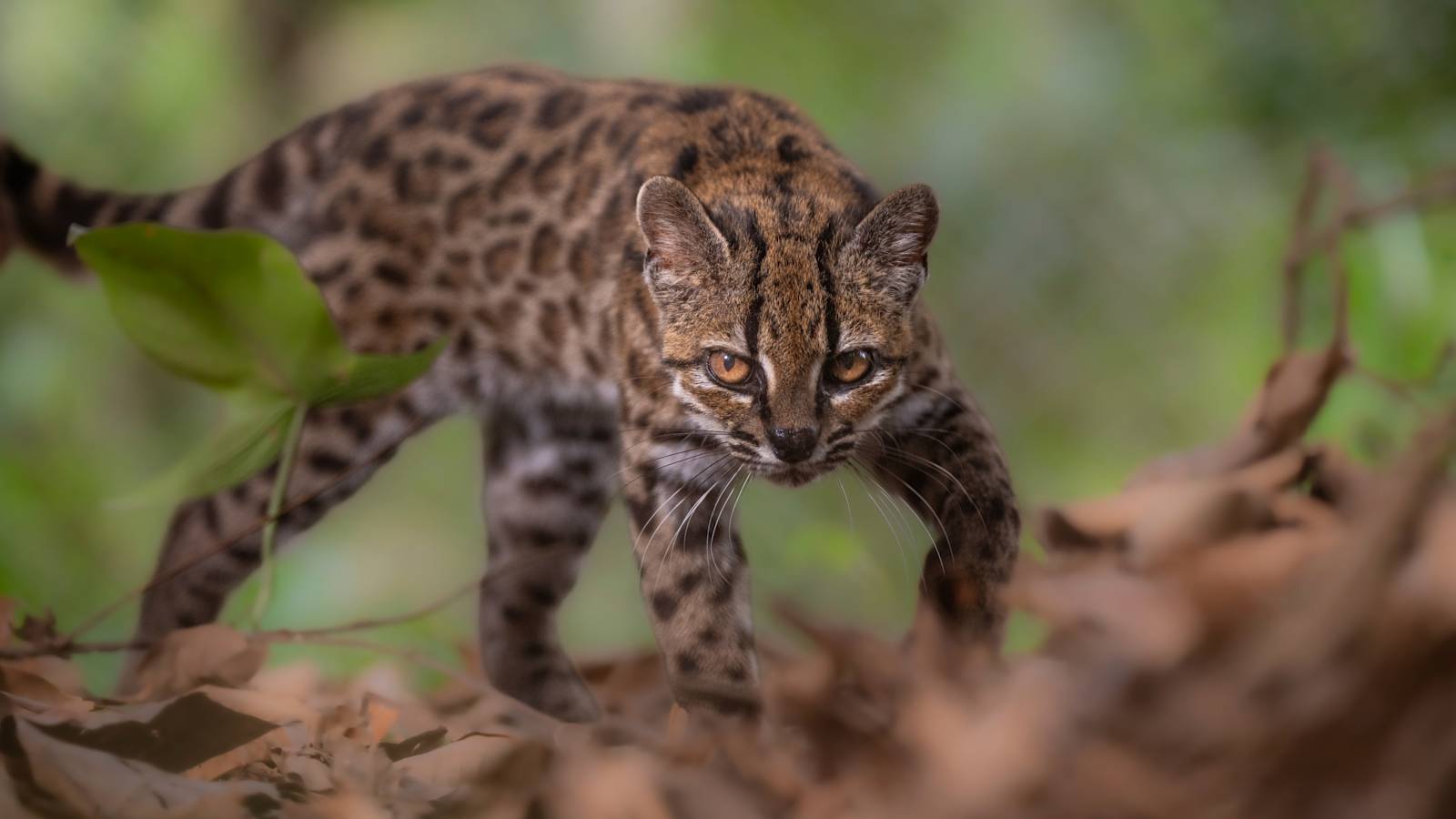
The Leopardus tilcayo, known as the Tilcayo cat, is a new species of wildcat found in Bolivia’s Yungas cloud forest.
First of his kind to be discovered – a 10-year-old male measuring 18 inches, weighing less than 1.4kg with spotted fur and small, round ears.
He was first spotted by scientists in 2016, when Paola Nogales-Ascarrunz, a biologist and National Geographic Explorer working in Bolivia, was called to a wildlife sanctuary who said they had received a “weird cat”.
A local man had found him as a kitten and took him in thinking it was a domestic breed. As he grew a year later, the man realised this was no ordinary cat and took him to the shelter.
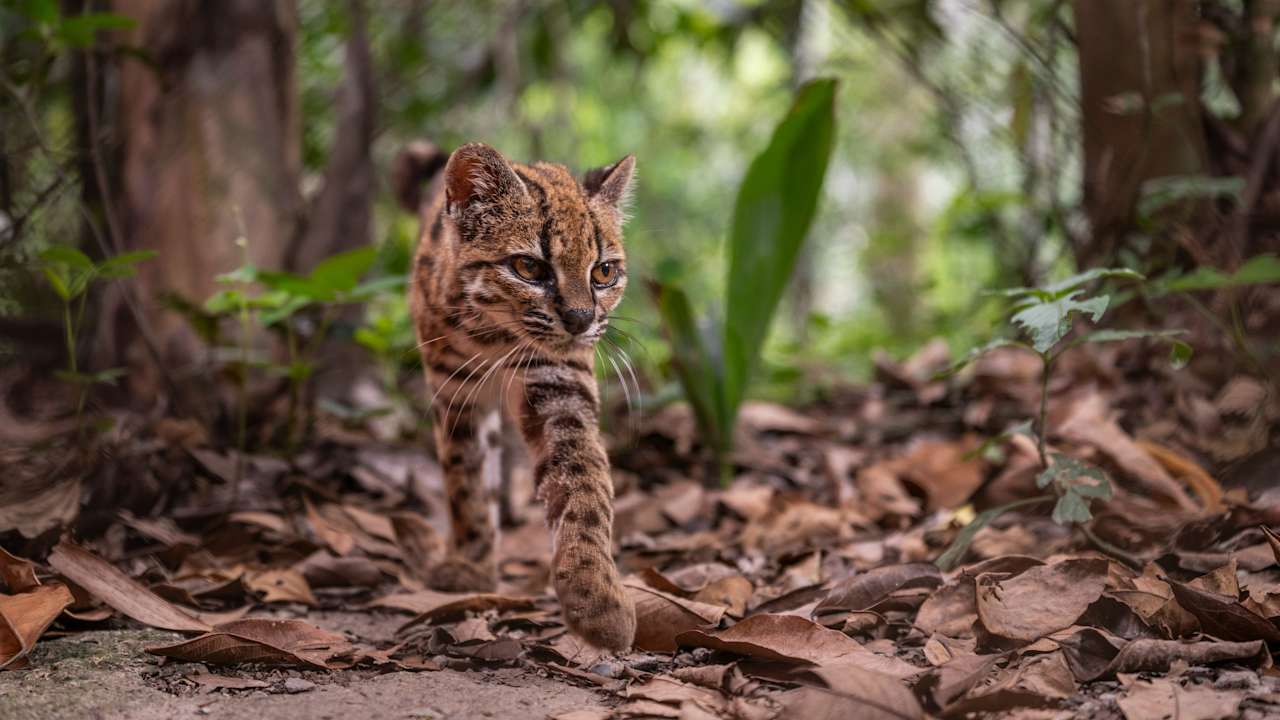
At the time, Nogales-Ascarrunz assumed the cat was a member of the species Leopardus tigrinus, referenced in a 1775 illustration of a species thought to exist across Central and South America.
However, when writing a booklet on Bolivia’s cat species in 2019, Nogales-Ascarrunz realised the pictures she had taken of the wildcat did not match this description.
After working with Eduardo Eizirik, a geneticist at Pontifical Catholic University of Rio Grande do Sul in Brazil, and Jonas Lescroart from the University of Antwerp, the team were able to identify the new species.
Looking at DNA from historical museum specimens and living animals, scientists discovered there are five distinct species of cat compared to what was once considered a single widespread group.
A unique subspecies has also been found in the Yungas of Peru, National Geographic said.

Unlike its relatives, the tilcayo cat has larger spot markings, a larger, more slender tail and a muted fur colour, the American nature magazine said.
Co-lead author and National Geographic Explorer Paola Nogales Ascarrunz said: “Describing a new cat species after more than 100 years shows how much we still have to learn about the biodiversity around us.
“But it also reminds us that we need to protect the Yungas forests, which are home to so many species — including some we are only beginning to understand.”
The discovery is hugely significant for science and conservation. Wildcats are hard to monitor due to their elusive nature, and these findings mean scientists can focus protection on individual species rather than a single population, National Geographic explained.
Senior author Eduardo Eizirik said: “Tiger cats have been enigmatic for decades. Once thought to be a single species (Leopardus tigrinus) based on their similar appearance, we used genomic data to show that they actually comprise at least five distinct species across South America, each with its own unique evolutionary history.”
Eizirik emphasised how the discovery shows “how vital museum collections are for biodiversity studies”.
The new feline is currently being looked after at the Senda Verde Wildlife Sanctuary in Bolivia. The species name was the name locals used to describe him, but it has no particular translation.
Paola Nogales Ascarrunz has installed camera traps in the Yungas forests in an effort to document the newly-discovered cats in the wild.
Follow STV News on WhatsApp
Scan the QR code on your mobile device for all the latest news from around the country