 iStock
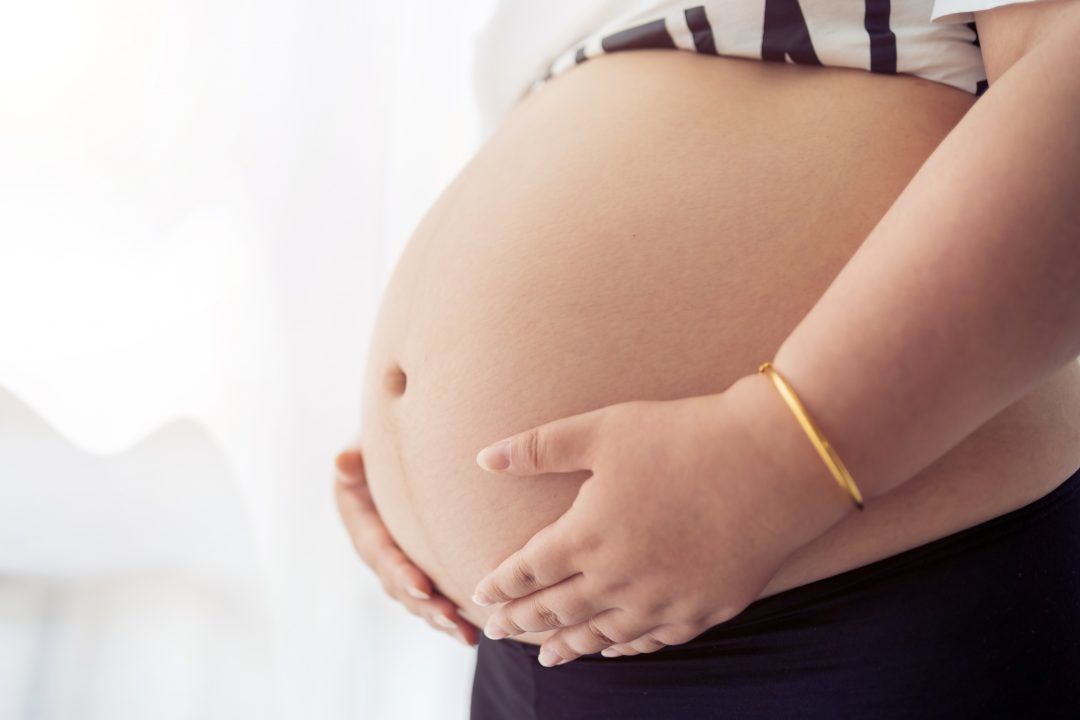
Sitting too much and not moving enough while pregnant has been linked to a higher risk of developing serious complications that cause high blood pressure.
More than ten hours of inactivity and fewer than five hours of light exercise each day “exponentially” increased the likelihood of developing these conditions, regardless of trimester, researchers said.
High blood pressure disorders affect between 8% and 10% of all pregnancies, according to the National Institute for Health and Care Excellence.
These include gestational high blood pressure, which develops in women who previously had normal blood pressure after 20 weeks of pregnancy, and pre-eclampsia, a serious complication which can be symptomless.
Pre-eclampsia is most common from 20 weeks onwards, but can develop at any point during pregnancy, and in some cases in the days and weeks after birth.
It can also develop into eclampsia, a severe and life-threatening complication which can cause seizures or a coma.
For the study, published in the British Journal of Sports Medicine, researchers analysed results from 24-hour activity trackers on 470 women.
The data included levels of intense exercise, light exercise, sedentary time and sleep over seven days at a time in each trimester.
Of the group, almost one in five (18%) developed a high blood pressure disorder.
The lowest risk was linked to six hours of inactivity a day with an average of eight hours light exercise, seven minutes of moderate or vigorous exercise and 10 hours of sleep.
Risks rose sharply in women who spent 10 or more hours sedentary and fewer than five hours moving, regardless of which trimester of pregnancy they were in.
Women should limit being inactive to eight hours a day, with concurrent increases in light exercise to seven hours a day, to have the best chance of avoiding these conditions, researchers said.
Experts also called for more research to test if behavioural interventions that get women moving during pregnancy could reduce the risk of high blood pressure and improve maternal cardiovascular health.
Reacting to the findings, Clare Livingstone, head of professional policy and practice at the Royal College of Midwives, said: “Pre-eclampsia is a complex condition and there are some factors that can increase risk, which are often outside a woman’s control.
“More research is needed to understand the relationship between activity levels and pregnancy outcomes.
“Staying active during pregnancy can bring benefits for physical and mental wellbeing.
“However, every pregnancy is different and there can be many reasons – including existing health conditions, pregnancy complications, disability and caring responsibilities – that affect how much activity is possible.
“Midwives will be able to give personalised advice to women on how to reduce individual risk with the most appropriate activity and exercise.
“The most important thing is that all women have access to high-quality maternity care and know the signs and symptoms of conditions such as pre-eclampsia so they can seek help if needed.”
Follow STV News on WhatsApp
Scan the QR code on your mobile device for all the latest news from around the country