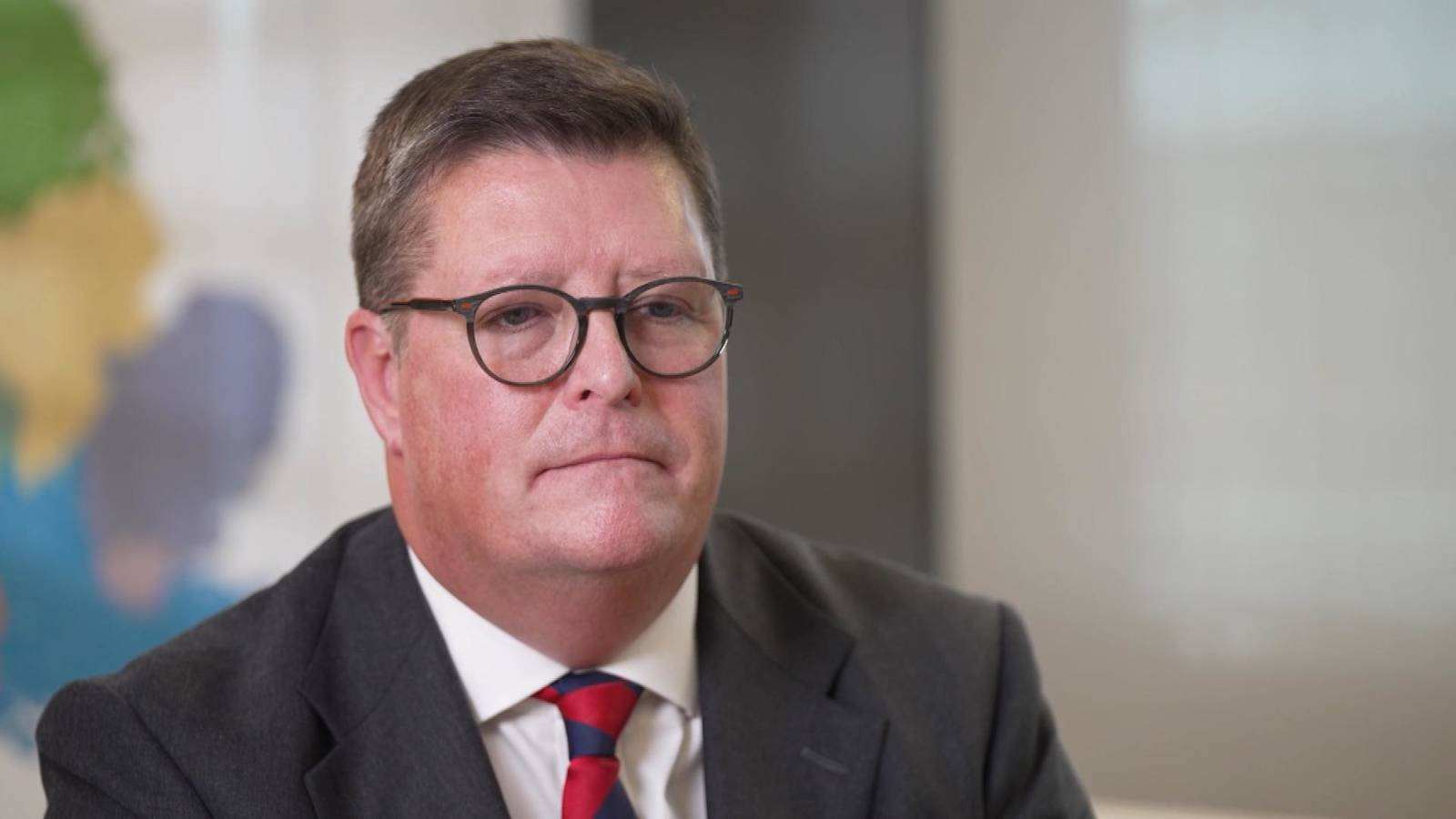
The head of Ofsted has said he would back an Australia-style social media ban, saying it “would be good for children”.
In an exclusive interview, Ofsted Chief Inspector Sir Martyn Oliver said “social media is chipping away at children’s attention spans” and that young people should “be able to live their childhoods not watching it on a screen”.
“I think it’s harming their education … it’s promoting poor behaviour in classrooms, and so, I’d certainly be encouraged to follow Australia’s suit, but you could see it.”
Australia brought in a social media ban for under-16s on December 10 last year, preventing them from accessing TikTok, Instagram, Facebook, X, Snapchat, YouTube, Kick, Twitch, Threads, and Reddit.
Sir Martyn said that he had banned mobile phones as a headteacher, but if he were in that role again today, he “would go further” and prevent mobile phones from being on the school site.
“It would remove children’s temptation then to be able to pull it out of their pocket and look at perhaps the social media during the school day.”
He added: “Headteachers have that power, they don’t need to wait for Parliament.”
Elective home education continues to rise
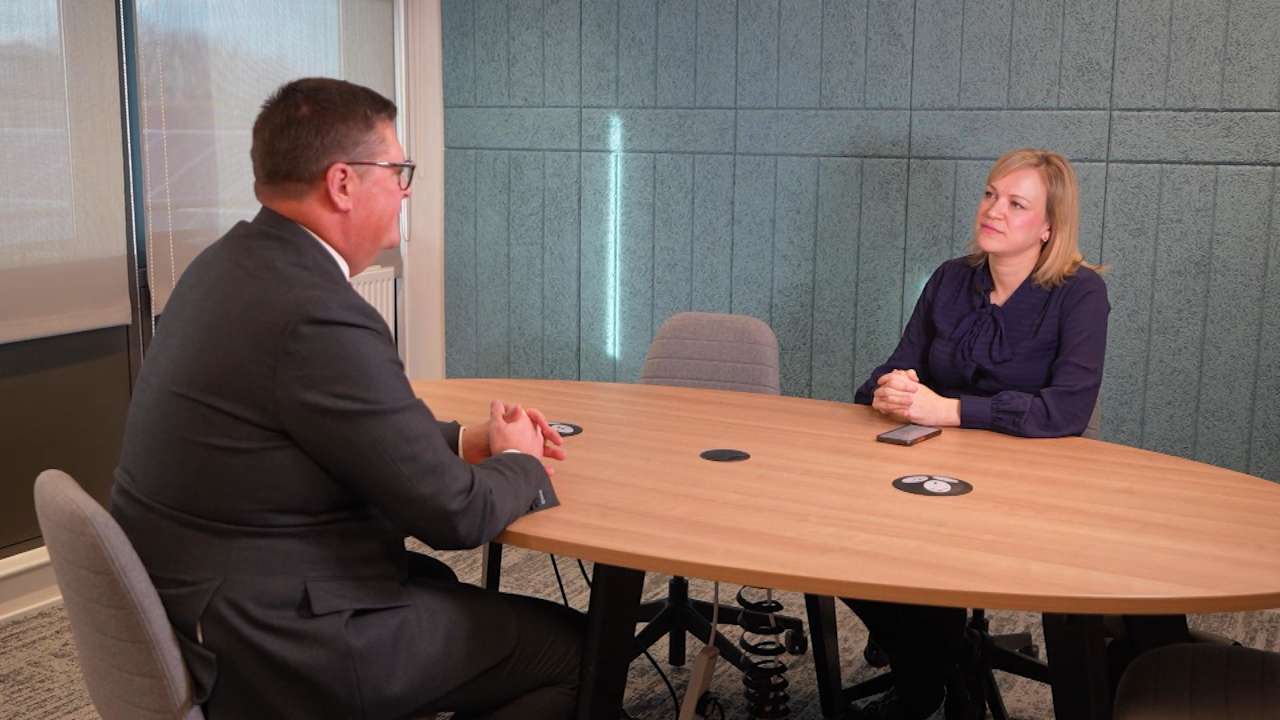
In a wide-ranging interview with ITV News Social Affairs Correspondent Sarah Corker, Sir Martyn also reflected on the increasing number of children being home educated, and described it as a “scandal” that parents felt the need to remove their children from schools.
“There are some fantastic parents who are educating children at home and doing a marvellous job,” he said.
“I’m much more interested in those who find that there is no local school, no local setting that will meet the needs of their child, and they’re being forced into removing their child to be home educated. That’s where I think the scandal is at.”
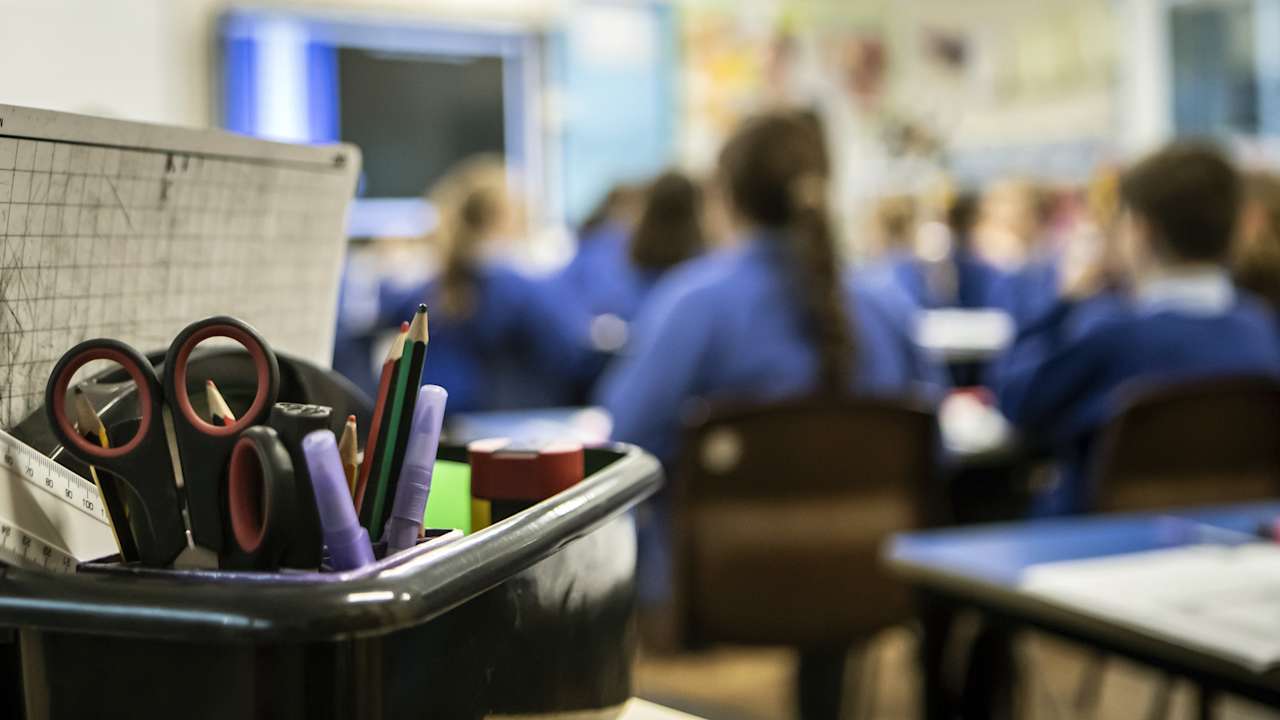
The number of children being home educated in England has continued to rise, according to the Department for Education.
There were 126,000 children in elective home education in England in autumn 2025, up from 111,700 in the previous year and 92,000 in 2023.
That marks a 37% increase in children being electively home educated since autumn 2023.
A total of 15% of those surveyed said they had opted for home education as a result of school dissatisfaction – that includes a lack of special educational needs and disability (SEND) provisions and bullying.
Nearly a quarter of people said it was a philosophical or lifestyle choice, while 16% said it was due to mental health issues.
There was a total of 175,900 children in elective home education at any point during the 2024-25 academic year, up from 153,300 in the 2023-24 academic year.
The South East and East of England have the highest number of children starting the year in elective home education.
In the UK, the rule is that parents must make sure their child “receives a full-time education from the age of five”, but the system is much more relaxed than in other European countries.
Home education is illegal in countries including Germany, the Netherlands, and Sweden, with very few exceptions, while it is legal in countries such as France and Poland, but there are strict rules that prevent most people from doing it.
Home education poses safeguarding concerns, say teachers
The increase in home education “doesn’t come as a surprise” to Adam Palmer, Executive Principal at the Northern Education Trust and a former PE teacher, but he said it isn’t necessarily a sign that schools are failing students, particularly SEND children.
“Whether the amount of elective home education or… the rise in it is a sign that schools are failing… I don’t think so. If I’m being really honest, I think it’s something people are talking about a bit more. And I think parents, talking to each other a bit more.”And even though there is now a lot more information available on how to home educate, Mr Palmer says he and colleagues still believe that school is the best learning environment for children.
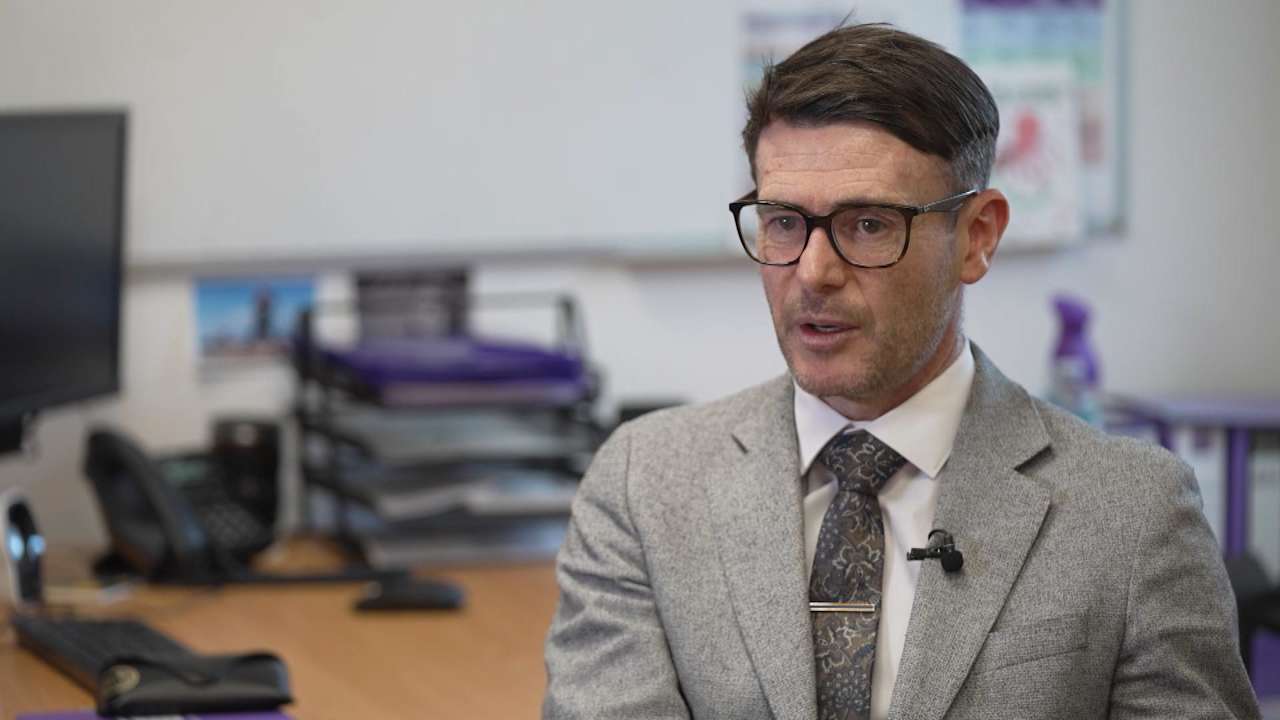
“We strongly believe that the best place for young people is in school, because of the education and the outcomes that are really important to them for when they leave,” he said.
Mr Palmer said that the increase in home educating also poses safeguarding concerns.
“The more children are home educated, the higher the risk that there are children who might not be in a safe environment. And we feel powerless to be able to support those young people if we’re not seeing them every day.
“We can check whether there is a change in their mood or whether there’s a change in their appearance. And we believe that having professionals see those young people every day provides, I suppose, the biggest safety blanket for those young people.”
A bill currently going through the House of Lords – the Children’s Wellbeing and Schools Bill – is set to create a register of all home-educated children and force parents to request permission from their local council if they want to homeschool a child considered at risk of harm.
A spokesperson for the Department for Education told ITV News: “As part of our Children’s Wellbeing and Schools Bill, we are introducing Children Not in School registers to help local authorities identify those children who are not receiving a suitable education and to take action to support them to improve their life chances.”
Changes to Ofsted inspections
This week, Ofsted rolled out its first set of renewed report cards in a change to its education inspections, claiming it “gives parents better and more detailed information, is fairer on professionals, and will help raise standards for all children”.
The new approach has received some praise from educators who say it puts teachers and, particularly, headteachers’ mental health at the forefront.
Chief Inspector Sir Martyn Oliver defended Ofsted’s new investigation regime, telling ITV News Social Affairs Correspondent Sarah Corker that the new score cards prioritise ‘raising standards’
However, critics of the new score cards say that using ratings such as meeting “expected standards” can be confusing to parents and teachers, with one principal telling ITV News there needs to be better communication from Ofsted around the language used.
Responding to the criticism, Sir Martyn told ITV News the new score cards prioritise “raising standards” in a “fairer way”, adding that the old one-word regime didn’t get through the intricacies of the inspections.
“Parents want to know that their children go to a nursery or childminder, of a school, of a college, and they’ll be working to the highest possible standards. And so that’s what these report cards aim to do, but in a much fairer and supportive way.
“It’s far fairer, it’s promoting a professional conversation,” he added. “It’s telling the school the strengths and the areas for improvement.”
Follow STV News on WhatsApp
Scan the QR code on your mobile device for all the latest news from around the country