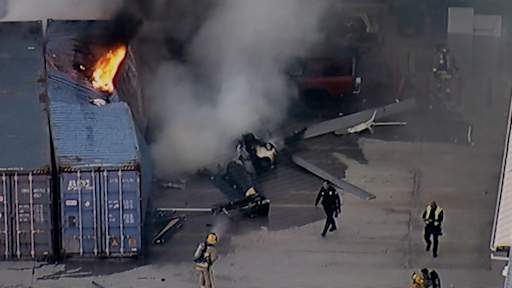
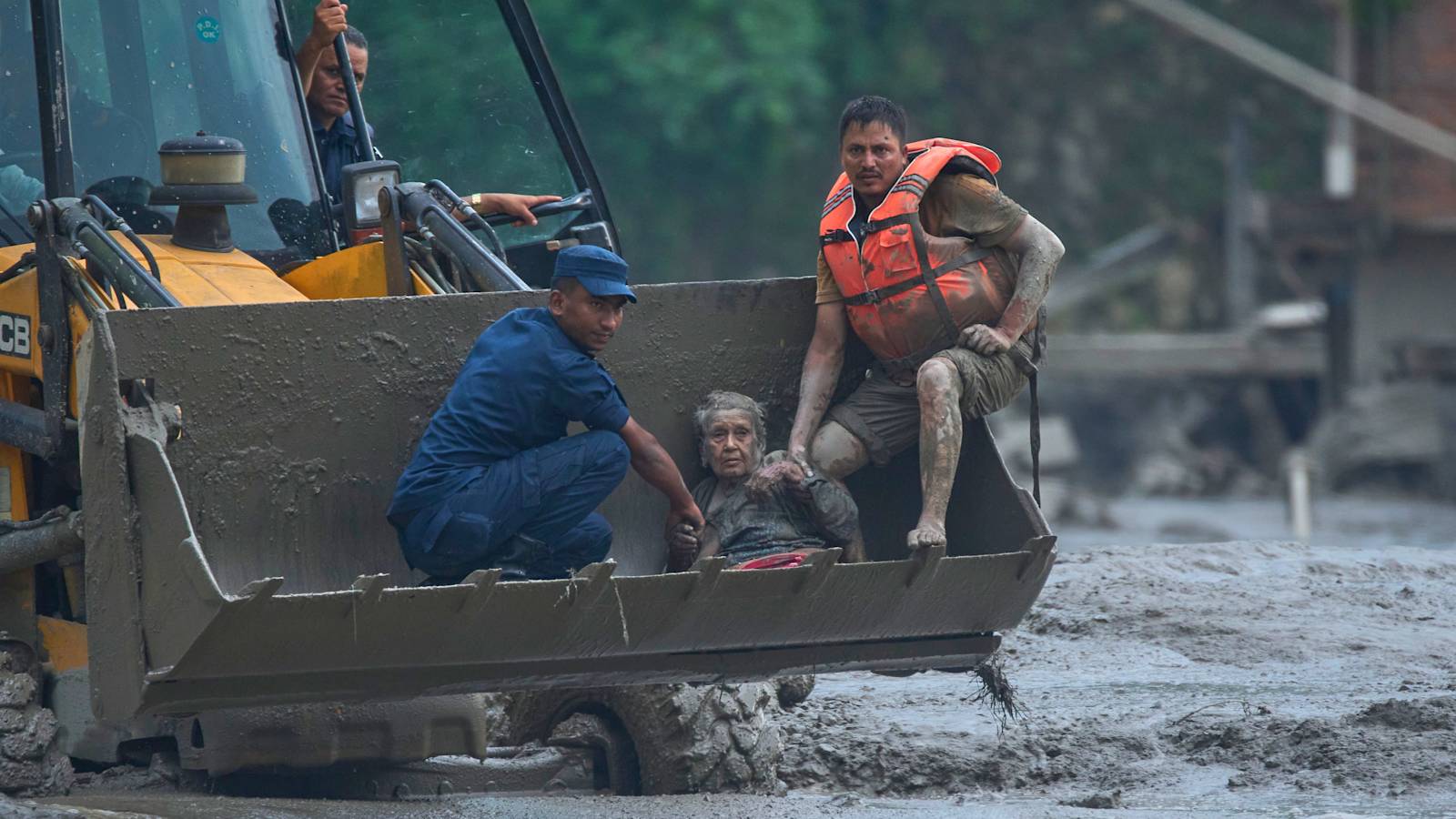
There are 826 people missing in Nepal, 558 in Tibet and more than 165 dead following devastating flash flooding on Wednesday around the Tibetan border.
Nepal’s death toll rose to 165 people, as rescue teams continued to search for survivors after a catastrophic torrent of floods and mud swept through several communities following a glacial collapse.
Chinese state broadcaster CCTV that three people have died on the Tibetan side of the border, that 260 of the 558 missing people in Tibet were foreigners and that two villagers were rescued.
The Lhende Khola river system has now flooded twice in just 14 months, and the increasingly unstable Himalayan ice system threatens communities, infrastructure and water supplies across one of the world’s most densely populated regions.
The region also saw similar flash floods in August last year, when a glacial lake in Tibet overflowed because of high temperatures. Nine people were killed, and critical infrastructure, including a bridge connecting Nepal and China, was damaged.
The region’s steep valleys are economic lifelines and travel corridors but are precarious when disaster strikes.
“When I reached Dhunge bazaar, in half an hour, the flood came and damaged all the market. People were preparing to go to office then,” resident Shoyam Rajbhandari said.
“How many people are missing or dead, we don’t know.”
Sunil Sharma, a tourism board spokesperson, earlier said 133 were from India on pilgrimage to Mount Kailash in Tibet, a sacred site for Hindus. It is not clear if this number has since been revised.
Also missing were at least 47 people from the United States, 34 from Australia, 33 from Britain and 24 from Canada, he said, based on earlier figures.
Among the missing British nationals are three men aged 65, 64, and 52, and seven women aged 44, 47, 51, 60, 63, 63, and 65, according to travel logs obtained by the Press Association.
Kumar Adhikari, manager of travel company Alpine Eco Trek, said: “I feel so sad. We are just thinking about what to do next. We are in pain at the moment, deep pain.”
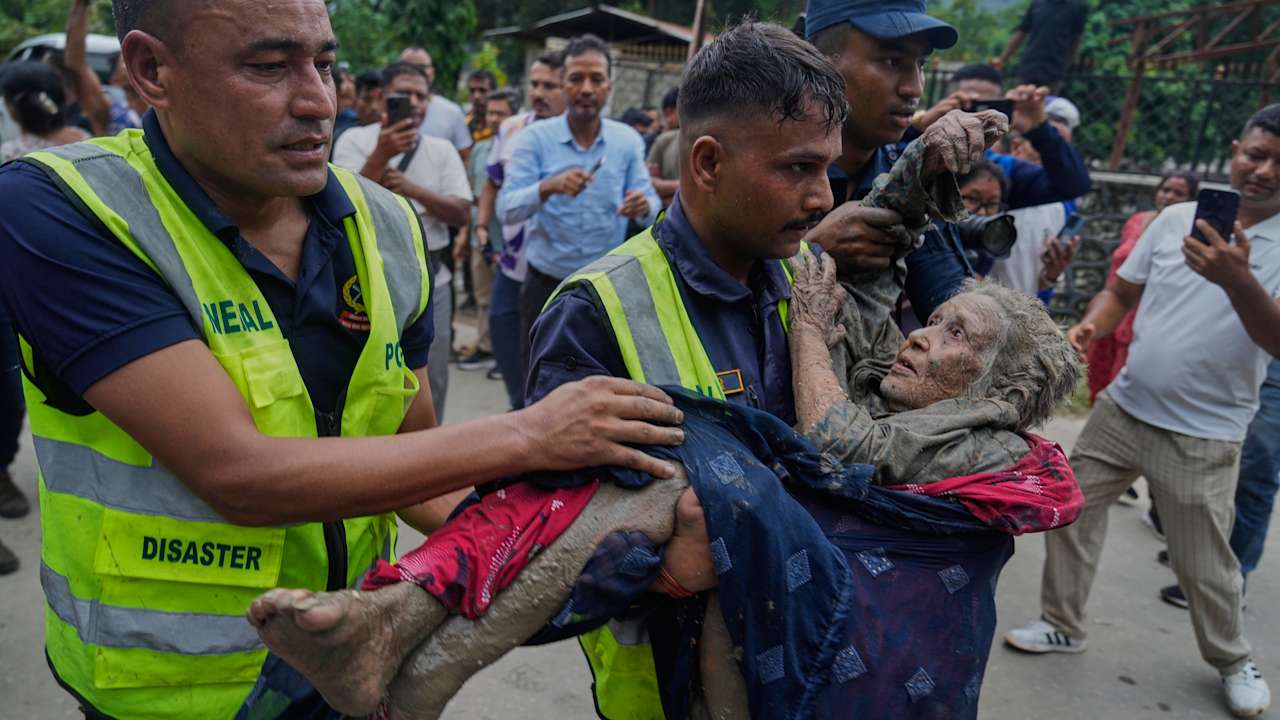
Mr Adhikari said the company’s tour group, who were on a nine-day tour to Mount Kailash, were crossing into Tibet from Nepal when they became trapped at the border as the flash floods struck.
He said he was in contact with his tour guides until 8.40am when their phones went offline, at which point the group would have been inside Tibet’s immigration office.
“We were hoping that inside it was safe,” he said. “But later the video came from China’s government which (showed) even Tibet’s side was hit by the flood.”
Tour company Kailash Journeys confirmed it had not been able to account for seven UK nationals – five women and two men aged between 18 and 55 – travelling with the company.
On Wednesday Prime Minister Andy Burnham said the government will do “everything we can” to support British nationals in Nepal following the floods.
The Foreign, Commonwealth and Development Office said it was “deeply saddened by the loss of life and devastation caused by the floods in Nepal”.
It added: “British nationals in Nepal should follow local authority advice and exercise caution while travelling.
The US State Department said it was aware of Americans affected.
Australia’s Foreign Minister Penny Wong told reporters on Thursday at least 34 Australians on pilgrimages and hiking tours were missing.
“We understand these Australians were part of separate pilgrimage and tour groups,” Wong told reporters in Adelaide, Australia.
The Nepalese government had not yet requested help but Australia was coordinating with Nepal, the United Nations, the Red Cross and other organisations on a humanitarian response, she said.
Malaysia’s Foreign Ministry on Thursday revised upward its number of missing, saying 55 Malaysians in Kathmandu are now unreachable, with severe disruptions to infrastructure hampering efforts to contact them.
It said there is no official confirmation of Malaysian casualties and that it was working closely with authorities to ascertain their safety and whereabouts.
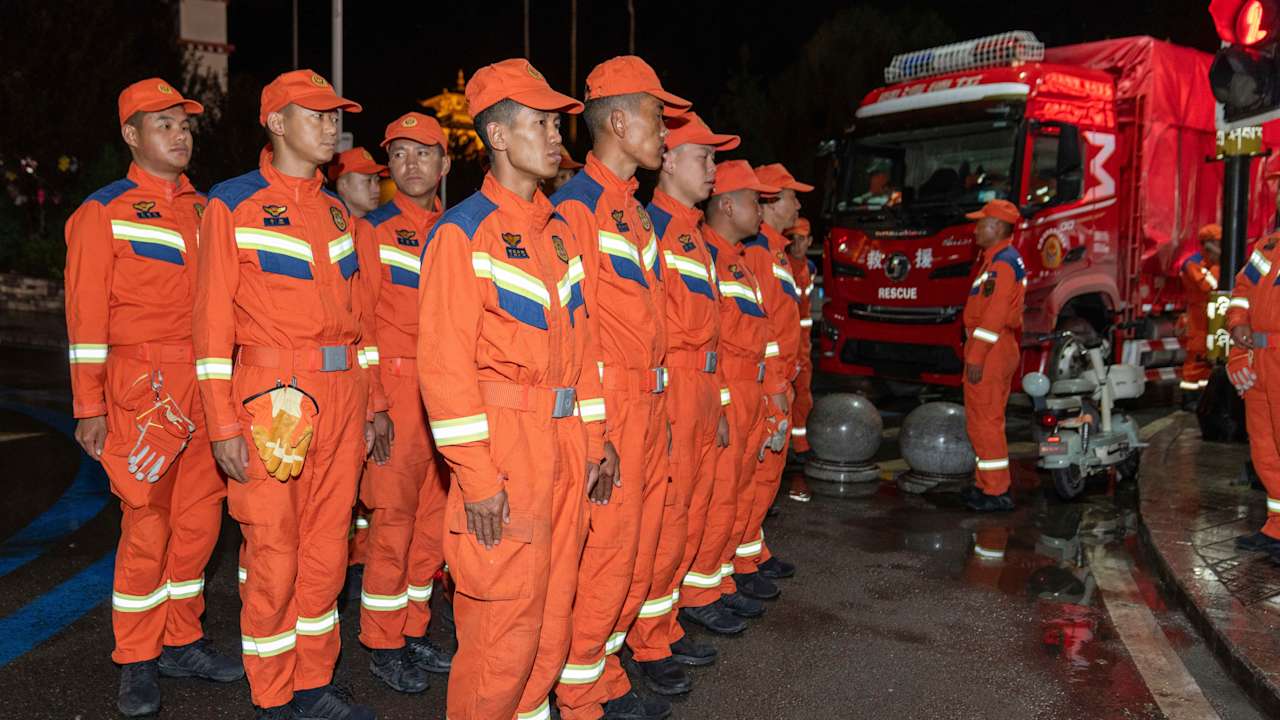
The US Geological Survey (USGS) first reported a magnitude 4.4 earthquake early Wednesday, about 66 kilometres (41 miles) north of Kathmandu, near the border.
The USGS later updated its analysis to say the seismic event it measured was a magnitude 5.2 glacial collapse that sent debris flowing downstream with catastrophic impact on communities.
It said its determination was based on data from nearby seismic stations, long period seismic waves and satellite imagery, and that no earthquake had occurred.
Climate experts at the Kathmandu-based International Centre for Integrated Mountain Development said an avalanche from a glacier likely caused Wednesday’s flash flood.
“Hydrological observations indicate the exceptional speed and magnitude of the flood wave,” they said in an emailed statement, noting that water levels at one point on the Trishuli river rose by as much as 9 meters (27 feet) over half an hour.
The Lhende Khola River, a tributary of the Bhotekoshi, had maximum flooding, they said.
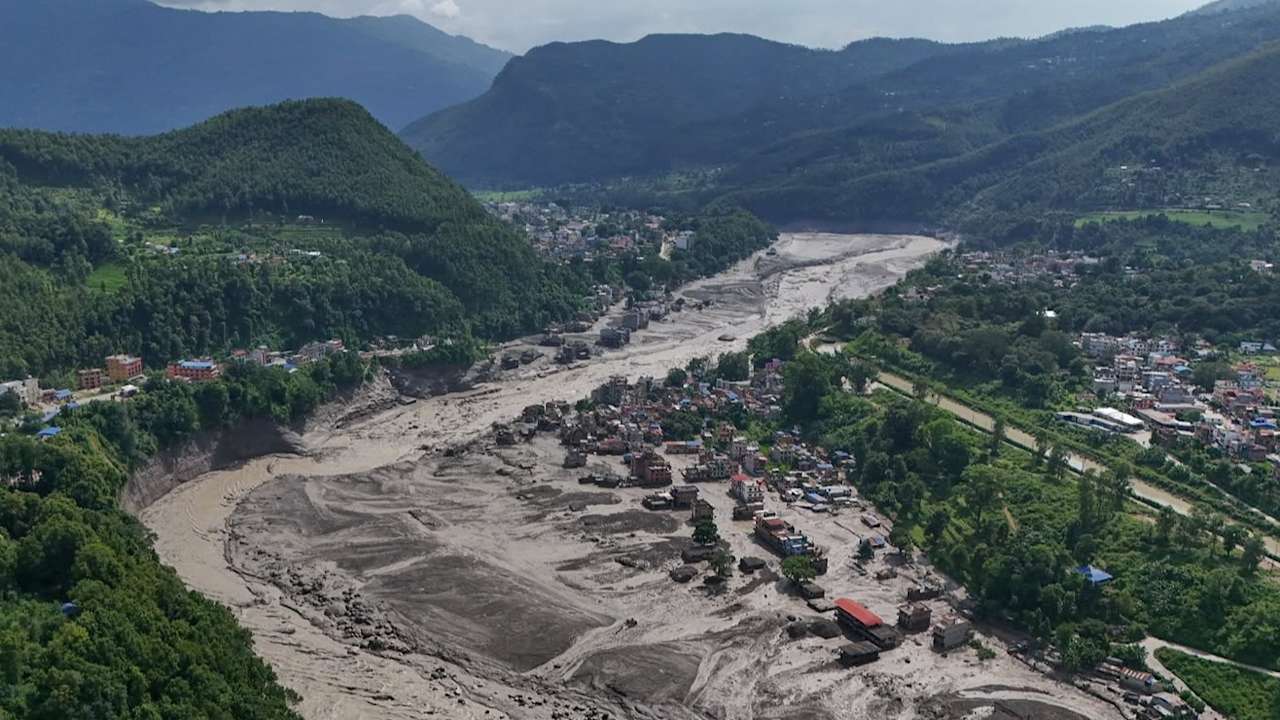
The Himalayan mountain range spans several countries in South Asia and has many of the world’s highest peaks and remaining glaciers.
The steep slopes and the lush valleys below the Himalayan mountain range are especially vulnerable to flooding and landslides, and extreme weather events like intense monsoons and melting glaciers have become more common because of warming due to human-caused climate change.
Researchers in Kathmandu found earlier this year that glaciers across the Hindu Kush Himalaya region are melting faster, with ice loss rates doubling since 2000.
The threat from melting glaciers has become a global concern.
Follow STV News on WhatsApp
Scan the QR code on your mobile device for all the latest news from around the country