By Martin Stew, ITV Science Correspondent & Leanna Hosea, Watershed Investigations
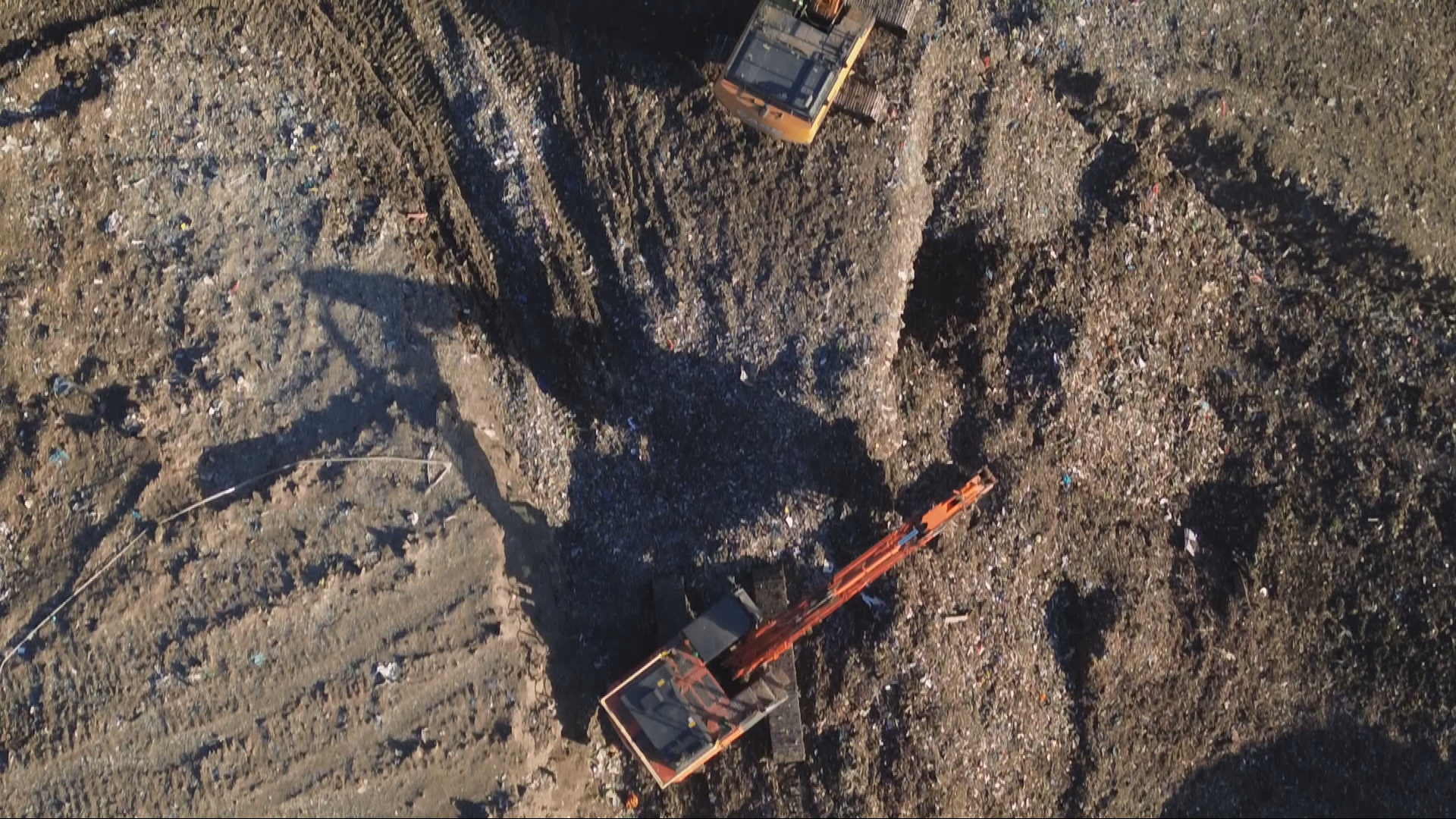
Across the UK and Europe, thousands of landfills sit in risky locations including flood zones, eroding coastlines, drinking water catchment areas and conservation sites – posing a threat to rivers, soil, and ecosystems.
This new data comes from the first Europe-wide mapping effort by ITV News, Watershed Investigations, and Investigate Europe.
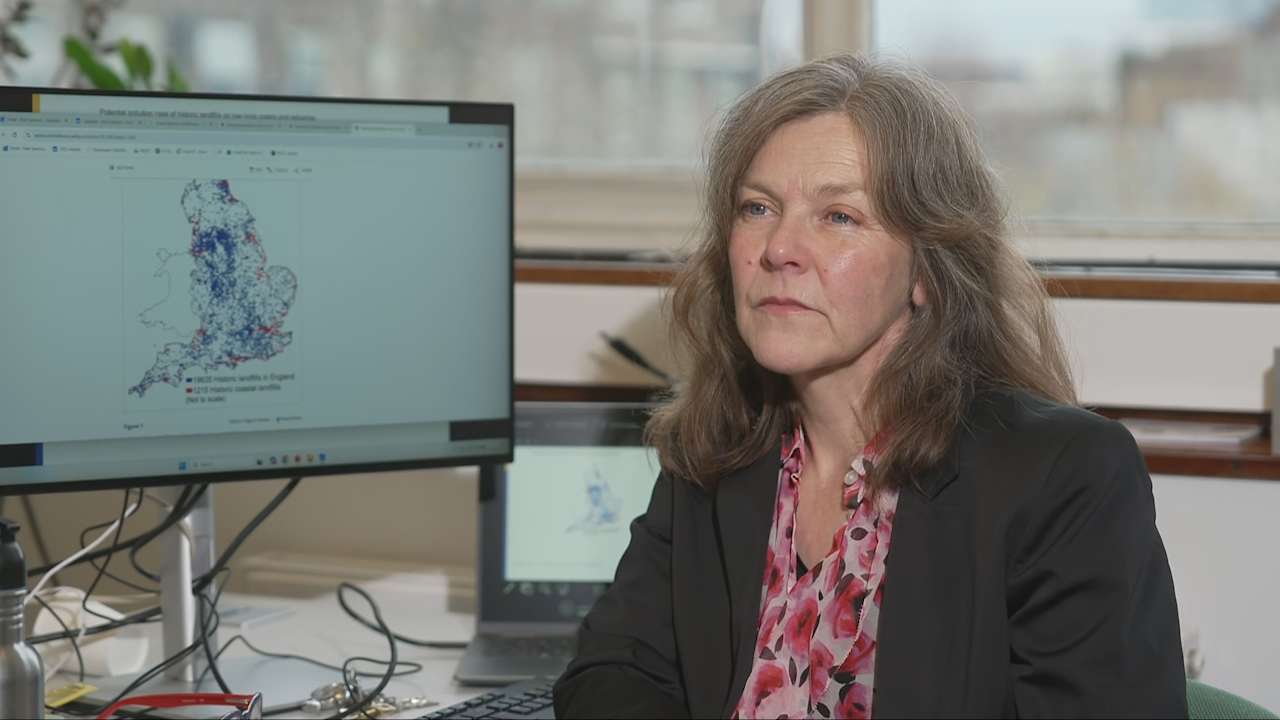
Europe may have up to 500,000 landfills, most built before modern pollution controls existed. More than 22,000 are in the UK alone.
Modern sites are usually safe, but older ones may not be, and there are concerns that toxic chemicals could be leaking from them into our environment.

Climate change is making the problem worse.
“With increasing frequency and magnitudes of floods and erosion from climate change, there’s a greater risk of these wastes washing into our environment,” says Patrick Byrne of Liverpool John Moores University.
These sites hold everything from plastics and building debris to toxic chemicals like PFAS and PCBs.
Some dumps, such as Tilbury, have even revealed “what looked like hospital blood bags,” according to environmental geochemist Kate Spencer.
So far, more than 61,000 landfills have been mapped; 28% are in flood-prone areas, and the real number could be much higher.
One major obstacle is the lack of centralised data; EU landfill records are patchy and difficult to access.
As Spencer puts it: “We have inadequate records, differences in ways of categorising these sites and that makes it really difficult to deal with.”
Many landfills overlap with areas where groundwater already fails chemical safety standards.
Byrne explains, “There could be many other sources of pollution… but one of the main ways chemicals migrate away from landfills is through groundwater.”
He adds, “We don’t and won’t know how much risk to human health and our drinking water there is until you can identify where all the landfills are.”
Coastal sites are among the most visible threats. Researchers found hundreds of landfills in erosion zones in England, Wales, and France.
Spencer’s tests at coastal sites uncovered high levels of arsenic and lead leaking into the environment.
She says: “This is the tip of the iceberg,” and notes that addressing these sites will require significant funding.
“Essentially, we are all living on a garbage dump,” says Spencer.
Eighty per cent of Britain’s population lives near a landfill and poorer areas are more likely to have one nearby.
A UK health report recently found little danger from well-managed landfills, but data on older ones is scarce.
As Spencer warns: “The big caveat is if these sites are well managed.”
Wildlife may also suffer, as over 2,000 landfills lie within protected conservation areas.
Byrne notes that plastics and chemicals can accumulate in ecosystems and “there’s emerging evidence of negative health impacts”.
Illegal dumping is making matters worse. Europol says it’s one of Europe’s fastest-growing criminal industries.
Thousands of illegal dumps have been identified, and satellite data suggests many more remain hidden.
“They could have hazardous materials in there. The odds of that are small, but the impacts are significant,” says Paul Brindley from the University of Sheffield.
All this highlights a bigger truth: Europe is running out of landfill space.
In England and Wales, capacity could run out by 2050, and building new sites is difficult.
An Environment Agency spokesperson said: “Our job is to protect people and the environment, and we are working closely with the landfill industry, water companies and across government to better understand the impacts from PFAS chemicals in landfills.
“Environment Agency teams are undertaking a multi-year programme to improve evidence about the sources of PFAS pollution in England.
“Alongside this, we are also running further studies to investigate the potential contribution of PFAS in landfill leachate to a limited number of sewage works.”
A spokesperson from the Department for Environment, Food & Rural Affairs said: “We want to prevent waste from occurring in the first place, but where waste occurs, we need to manage it in the most appropriate way.
“We are committed to reducing the amount of waste being sent to landfill, supported through our collection and packaging reforms.
“Alongside this, the forthcoming Circular Economy Growth Plan will outline measures to drive greater reuse and recycling, safeguarding the value of our resources and preventing the nation’s waste going to landfill.”
Follow STV News on WhatsApp
Scan the QR code on your mobile device for all the latest news from around the country