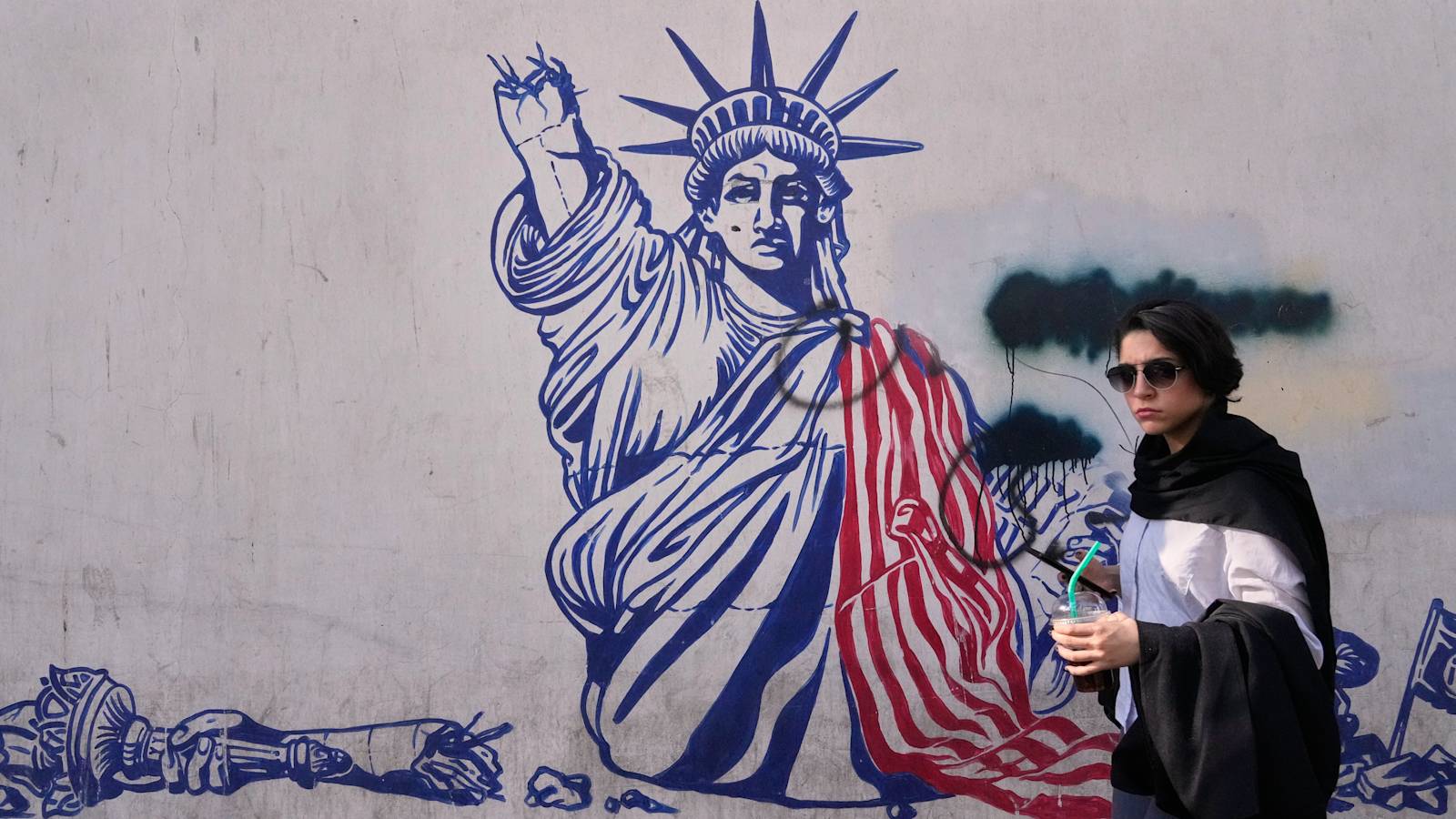
Qatari mediators have arrived in Tehran to finalise an agreement with the US after Donald Trump said the deal was imminent.
Trump and Pakistani Prime Minister Shehbaz Sharif said on Saturday that the deal would be signed on Sunday. Iran was more cautious about the idea, with spokesperson Esmail Baghaei saying it could happen in the coming days.
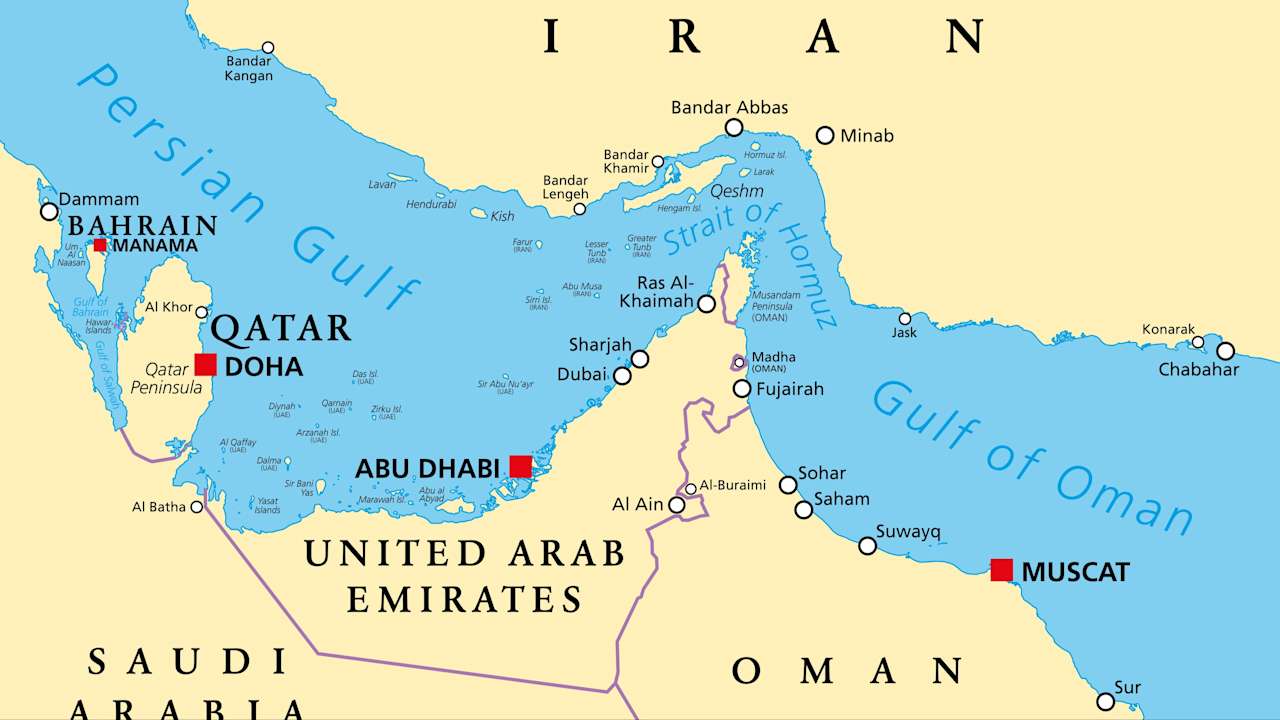
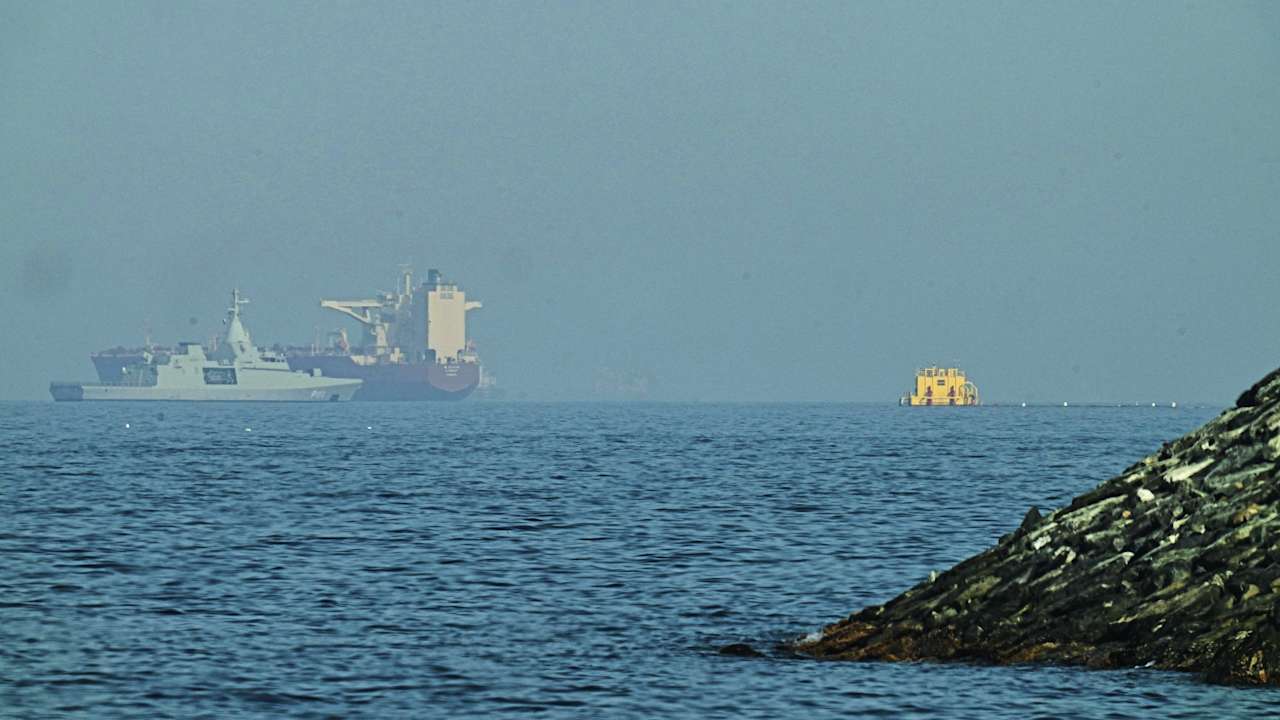
Trump said that the Strait of Hormuz would open immediately after the signing.
The deal is expected to be signed electronically, without an in-person ceremony, though it’s unclear when or how the signing will take place.
The deal does not solve the thorniest issues between the US and Iran, including Iran’s nuclear program or its frozen assets.
Instead, it offers a 60-day framework for technical discussions on those issues, Pakistani officials told the Associated Press.
Pakistan has operated as a key mediator during the war, often keeping both sides together when they appeared ready to walk out of negotiations completely.
Under the current deal being discussed, US and Israel appear to have fallen short of their original goals of destroying Iran’s missile and nuclear programs and ending its support for proxies.
It is not clear how the deal will address these issues, or if they will be part of the final agreement.
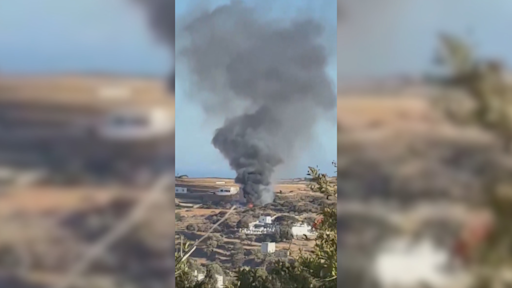
The apparent breakthrough came after Iran exchanged fire with the US and Israel earlier in the week, threatening to rupture the ceasefire and push the Middle East back into full-scale war. A tenuous ceasefire has been in place since April 7.
Iran’s nuclear program and highly enriched uranium have long been at the centre of tensions with the US and Israel and an international source of concern.
Trump on social media asserted that “when all is calm,” the US would go in and “downblend and destroy” the enriched uranium in Iran or in the US.
Iran has 440.9kg of uranium that is enriched up to 60% purity, a short, technical step from weapons-grade levels of 90%, according to the International Atomic Energy Agency.
Iran has long maintained its nuclear program is peaceful and has not publicly committed to giving up the enriched uranium, which is believed to be buried under three nuclear sites that were badly damaged by US strikes last year.
On Saturday, a US official said there are five key terms in the agreement: Iran’s nuclear material will be destroyed and removed, its nuclear program will be dismantled, none of its frozen money will be released until it meets certain demands, the Strait of Hormuz will be open, and Iran must not fund terrorist groups.
Meanwhile, fighting has continued in Lebanon between Israel, which has pushed its invasion deeper than at any point in over a quarter-century, and the Iranian-backed Hezbollah militant group, despite a ceasefire.
Iran has wanted a ceasefire deal to include the fighting in Lebanon. Tehran also has sought the release of billions of dollars in frozen funds.
The deal in its current form is a deep disappointment to Israel’s government, which has been sidelined in negotiations led by Pakistan and others.
Even critics in Trump’s own Republican Party, struggling with an unpopular war ahead of the midterm elections, criticised the deal. Some said it did not improve on the terms of the 2015 Iran nuclear deal that Trump withdrew the US from during his first term and which he still describes as “bad.”
Follow STV News on WhatsApp
Scan the QR code on your mobile device for all the latest news from around the country