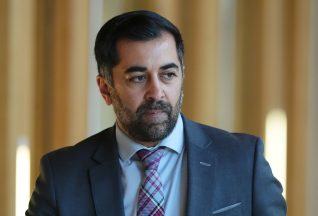

The prime minister has urged Europe’s leaders to reform how a major human rights treaty is interpreted in law to tackle illegal migration and prevent voters from turning to “the forces that seek to divide us”.
Sir Keir Starmer and his Danish counterpart, Mette Frederiksen, have made a joint call on other leaders across the continent to agree on a “modernisation” of how the European Convention on Human Rights (ECHR) is interpreted in their countries’ laws.
European ministers, including Deputy Prime Minister David Lammy, are due to meet in Strasbourg, France, on Wednesday to discuss how the treaty is interpreted in the courts.
It is understood that a political declaration signed by the gathered ministers could carry enough weight to directly influence how the European Court of Human Rights interprets the agreement.
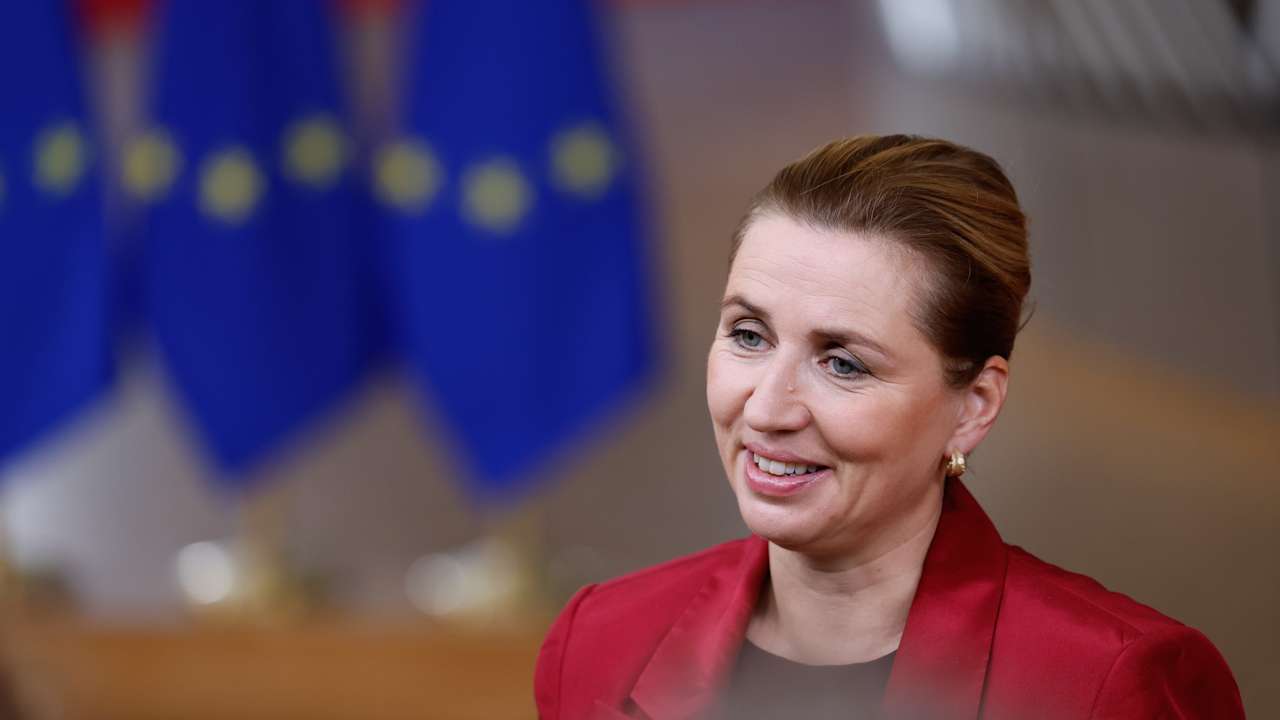
In an opinion piece for the Guardian newspaper, Starmer and Frederiksen advocated for a tougher approach to policing Europe’s borders as a means of winning against populist political opponents, saying they were “making this case across Europe”.
The ECHR, which underpins Britain’s Human Rights Act, is seen by its critics as a major barrier to attempts to deport illegal migrants from the country.
The right to family life, enshrined by Article 8 of the agreement, is often used as grounds in legal cases to prevent removals.
The Home Office has also said it has seen a trend of Article 3 rights, prohibiting torture, being used to halt deportations because of claims that migrants’ healthcare needs could not be met in their homeland.
Starmer’s political opponents, the Conservatives and Reform UK, have both said they would leave the ECHR if in power.
The prime minister, in his joint op-ed with Fredriksen, acknowledged the “current asylum framework was created for another era”, adding: “In a world with mass mobility, yesterday’s answers do not work. We will always protect those fleeing war and terror – but the world has changed, and asylum systems must change with it.”
Despite opponents’ stated intention to leave the ECHR, Starmer’s government has insisted it will remain a member of the treaty, and has adopted a series of hardline immigration measures, modelled on those spearheaded by Frederiksen’s Danish government.
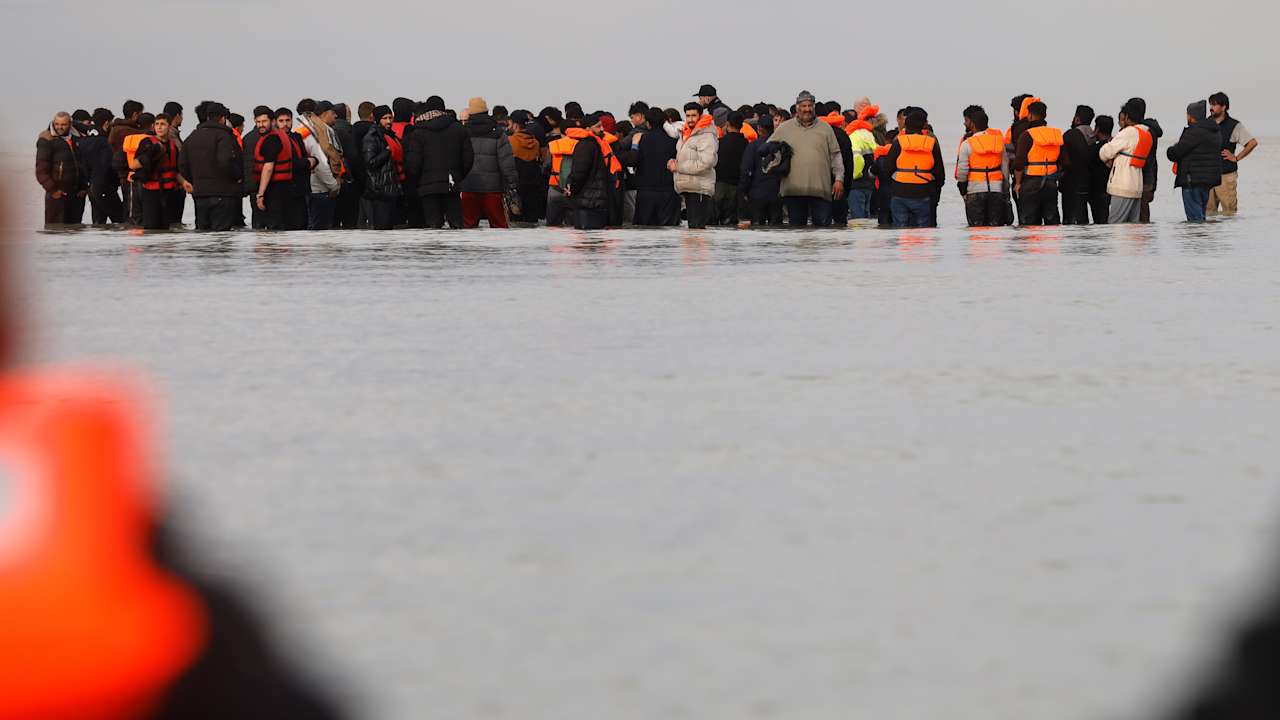
“Migration must be orderly, managed and sustainable. Irregular routes should not be the go-to option – so we must dismantle the human smuggling networks that prey on desperation.
“Together, we are calling on our friends across Europe to go further in tackling these shared challenges,” the two leaders wrote.
They continued, describing a “push for a modernisation of the interpretation of the European Convention on Human Rights – so that the convention system, which we believe in, can evolve to reflect the challenges of the 21st century.”
In a warning to other leaders, Starmer and Fredriksen added: “Europe has faced big tests before and we have overcome them by acting together. Now we must do so again. Otherwise, the forces that seek to divide us will grow stronger.
“So our message is this: as responsible, progressive governments we will deliver the change that people are crying out for. We will control our borders to protect our democracies – and make our nations stronger than ever in the years to come.”
The Government is expected to bring forward homegrown legislation to change how the Article 8 right to family life is interpreted in UK courts, and is also considering examining the threshold for Article 3 rights.
Amnesty International UK hit out at UK plans to lead reforms of the ECHR, describing it as weakening protections.
Steve Valdez-Symonds, Amnesty International UK’s refugee and migrant rights programme director, said: “There is a dreadful irony in our Justice Secretary working with his counterparts to remove or reduce rights on the anniversary of the Universal Declaration of Human Rights.
“It shows how far we have drifted from the moral resolve of the last century, when our grandparents determined that the fact we are all born free and equal must be protected in law.
“Human rights were never meant to be optional or reserved for comfortable and secure times. They were designed to be a compass, our conscience, when the politics of fear and division try to steer us wrong.
“To weaken ECHR protections now, on a day meant to reaffirm dignity and protection for all, is not reform. It is moral retreat.”
Elsewhere, French far-right leader Jordan Bardella told the Daily Telegraph newspaper he would rewrite French border policy to allow British patrol boats to push back migrant dinghies into France’s waters, if he led the country.
The National Rally leader and French MEP is currently leading in opinion polls to win the first round of France’s next presidential elections, expected in 2027.
Follow STV News on WhatsApp
Scan the QR code on your mobile device for all the latest news from around the country