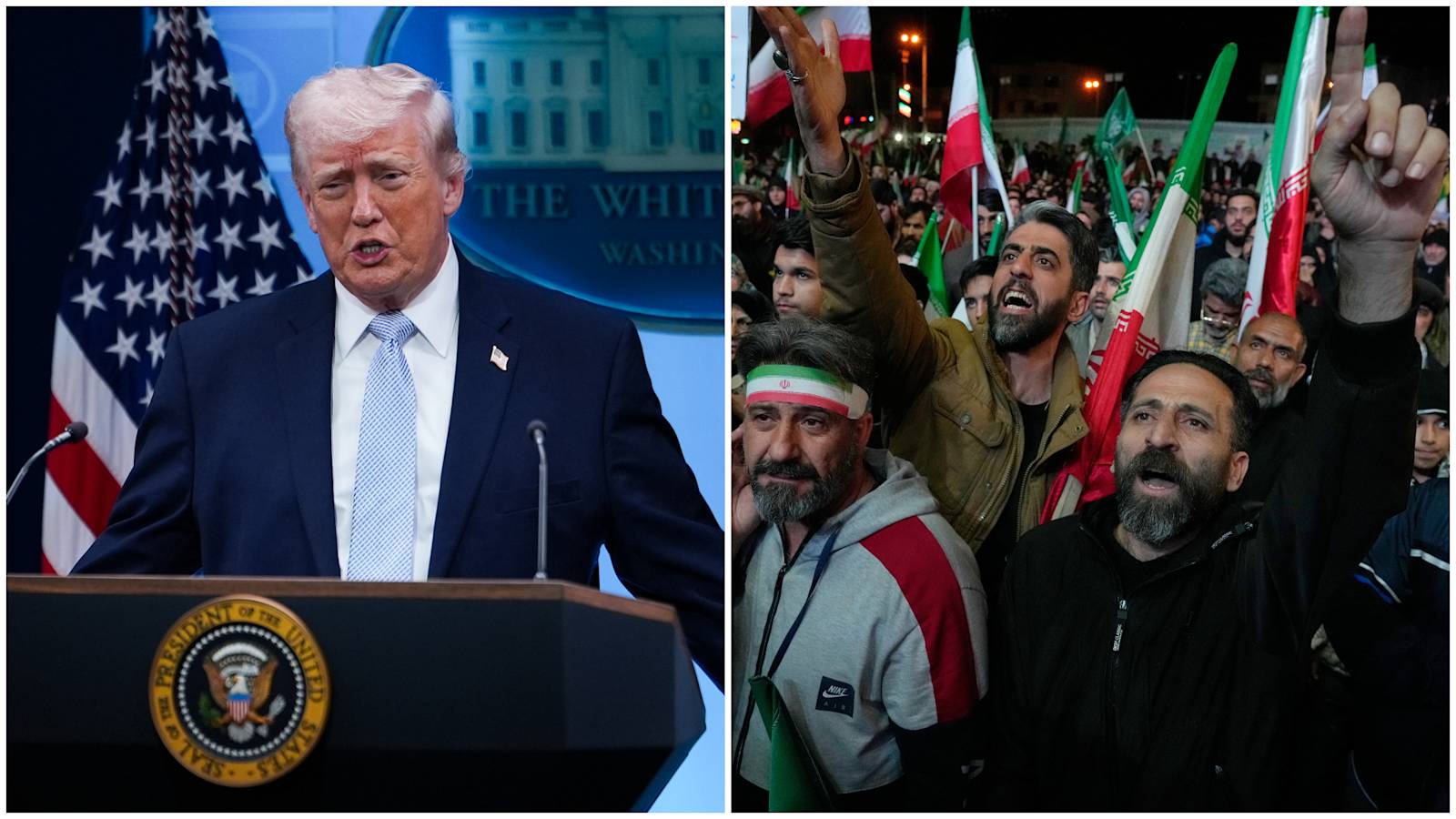
US President Donald Trump has agreed to suspend the “destructive force” he had threatened against Iran in a two-week ceasefire that will see the Strait of Hormuz reopened.
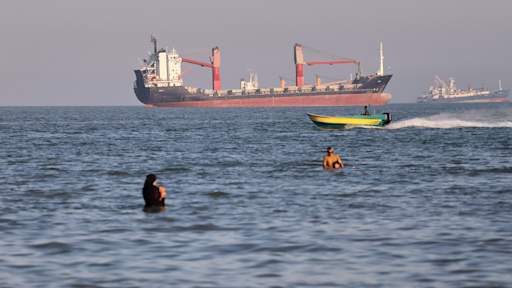
Posting on Truth Social, Trump said he was holding off on his threatened attacks on Iranian bridges, power plants, and to destroy their “whole civilisation”, subject to Tehran agreeing to a two-week ceasefire and reopening of the Strait of Hormuz, the pivotal waterway through which a fifth of the world’s oil is transported during peacetime.
He also said Iran has proposed a “workable” ten-point peace plan that could help end the war.
He wrote: “Based on conversations with Prime Minister Shehbaz Sharif and Field Marshal Asim Munir, of Pakistan, and wherein they requested that I hold off the destructive force being sent tonight to Iran, and subject to the Islamic Republic of Iran agreeing to the COMPLETE, IMMEDIATE, and SAFE OPENING of the Strait of Hormuz, I agree to suspend the bombing and attack of Iran for a period of two weeks.”
Prime Minister Benjamin Netanyahu said Israel had accepted the ceasefire proposal, but said it doesn’t cover fighting against Hezbollah in Lebanon.
This was contradicted by Pakistan, which mediated the ceasefire deal, with their prime minister saying the proposal called for an immediate halt to fighting in Lebanon.
Iran’s Supreme National Security Council has said it has accepted a two-week ceasefire.
Foreign minister Abbas Araghchi also said passage through the Strait of Hormuz would be allowed for the next two weeks under Iranian military management.
Araghchi also said passage through the Strait of Hormuz would be allowed under Iranian military management. It wasn’t immediately clear whether that meant Iran would completely loosen its chokehold on the waterway.
The plan allows for both Iran and Oman to charge fees on ships transiting through the strait, according to a regional official who spoke on condition of anonymity to discuss negotiations they were directly involved in. The official said Iran would use the money it raised for reconstruction.
In addition to control of the strait, Iran’s demands for ending the war include withdrawal of US combat forces from the region, the lifting of sanctions and the release of its frozen assets.
Neither Iran nor the United States said when the ceasefire would begin, and attacks took place in Israel, Iran and across the Gulf region early Wednesday.
The process was also thrown into doubt quickly after Iran released different versions of the 10-point plan intended to be the basis for negotiations.
The version in Farsi included the phrase “acceptance of enrichment” for its nuclear program.
But for reasons that remain unclear, that phrase was missing in English versions shared by Iranian diplomats to journalists.
The complete end to Iran’s nuclear policy has been a key demand of the US and Israel.
Follow STV News on WhatsApp
Scan the QR code on your mobile device for all the latest news from around the country