Key Points
-
 Trump said a ‘whole civilisation will die tonight ahead of the deadline for Iran to reopen Strait of Hormuz
 - The deadline is set to end on Tuesday 8pm EDT, which is 1am Wednesday UK time
- US president has threatened to “decimate” bridges and power plants in Iran
- UN tells US that attacking civilian infrastructure is banned under international law
- Israel warns Iranians to avoid taking trains until 9pm local time as airstrikes hit Tehran
- Iran’s president says 14 million people have volunteered to sacrifice their lives in human chains around power plants
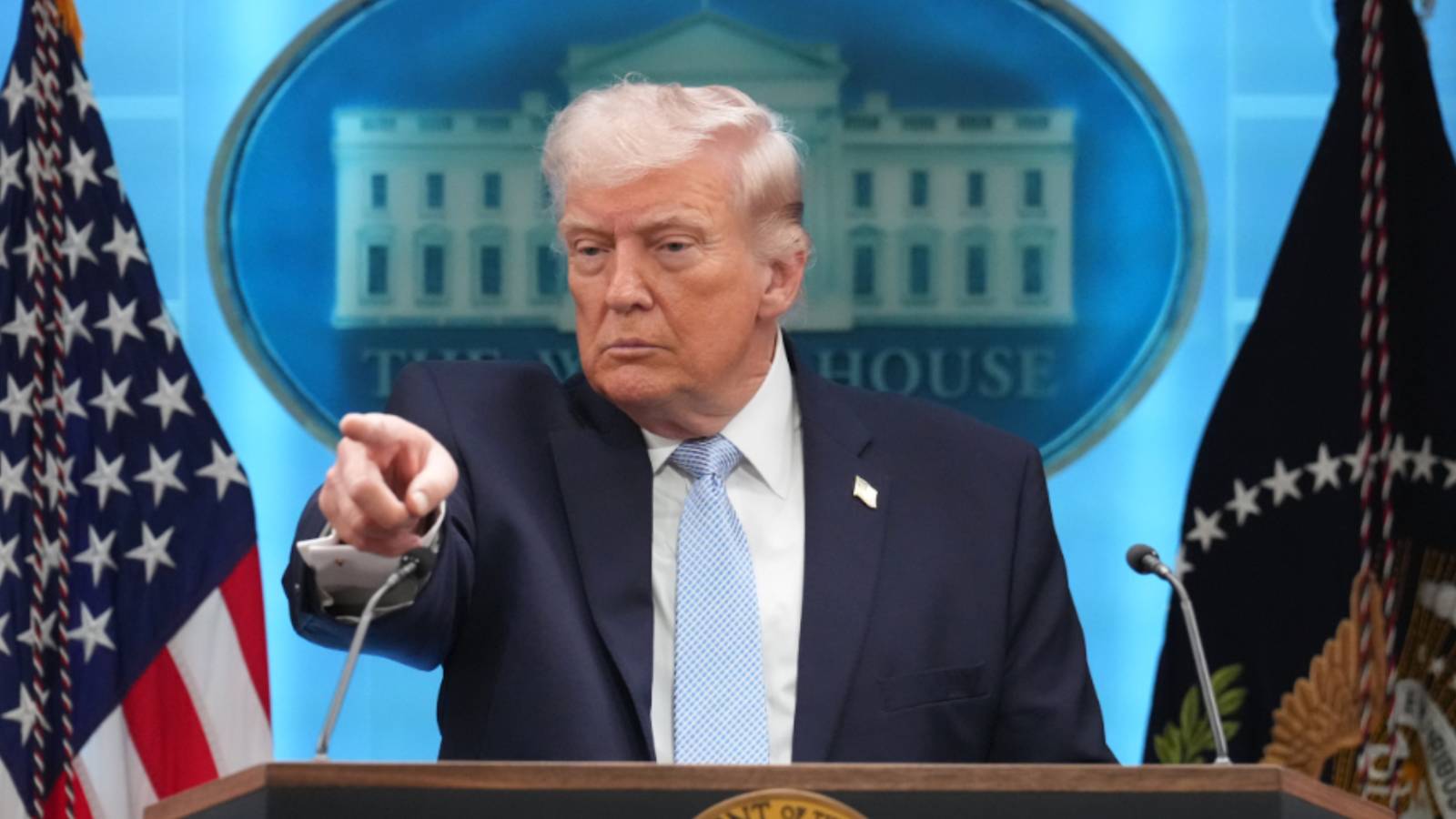
US President Donald Trump said a “whole civilisation will die tonight, never to be brought back again” ahead of his deadline for Iran to reopen the Strait of Hormuz.
“I don’t want that to happen, but it probably will,” Trump wrote on Truth Social on Tuesday.
“However, now that we have Complete and Total Regime Change, where different, smarter, and less radicalised minds prevail, maybe something revolutionarily wonderful can happen, WHO KNOWS?
“We will find out tonight, one of the most important moments in the long and complex history of the World. 47 years of extortion, corruption, and death, will finally end. God Bless the Great People of Iran!”
The deadline will end on Tuesday, 8pm EDT, which is 1am Wednesday UK time.
Trump has suggested that his latest deadline was final, saying he’d already given Iran enough extensions.
Tehran earlier rejected a 45-day ceasefire proposal and said it wants a permanent end to the war.
It has conveyed its own ten-point plan to end the fighting through Pakistan, a key mediator, Iran’s state-run IRNA news agency said.
“We only accept an end of the war with guarantees that we won’t be attacked again,” Mojtaba Ferdousi Pour, head of Iran’s diplomatic mission in Cairo, told The Associated Press.
A regional official involved in talks said efforts had not collapsed.
“We are still talking to both sides,” he said, speaking on condition of anonymity to discuss closed-door diplomacy.
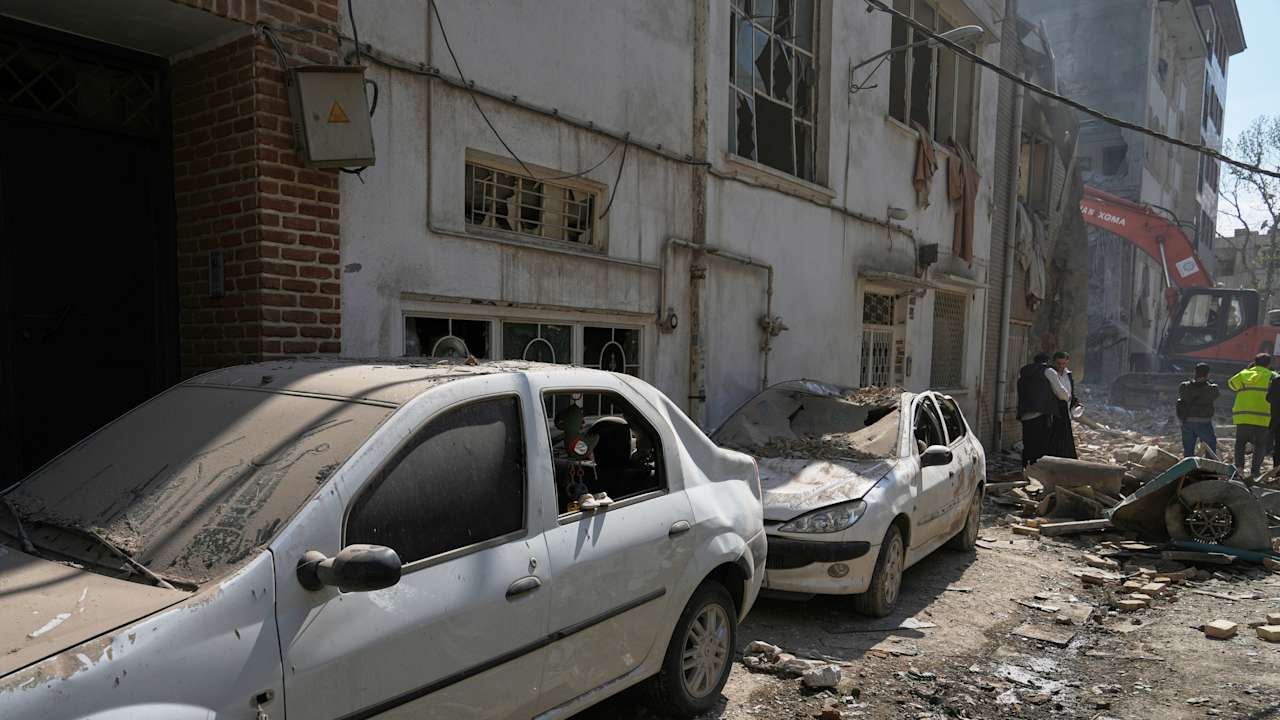
New strikes overnightActivists reported a new wave of strikes on Tehran early Tuesday. Israel claimed credit but offered no immediate details on what had been targeted.
It came as the Israeli military warned Iranians in Farsi on Tuesday to avoid taking trains until at least 9pm local time, likely signalling a new target for its airstrikes.
“Your presence puts your life at risk,” the warning, in a post on X, read.
Iran has shut off access to the internet for weeks, making it difficult for average Iranians to see these warnings.
However, Farsi-language satellite news networks abroad do report them, allowing the information to make its way back into the Islamic Republic.
More than 1,900 people have been killed in Iran since the war began, but the government has not updated the toll for days.
In Lebanon, more than 1,400 people have been killed, and more than 1 million people have been displaced. Eleven Israeli soldiers have died there.
In Gulf Arab states and the occupied West Bank, more than two dozen people have died, while 23 have been reported dead in Israel, and 13 US service members have been killed.
Trump threats continue
Trump has issued ultimatums to Iran before, only to find ways to back off. But he was more explicit this time on plans to follow through.
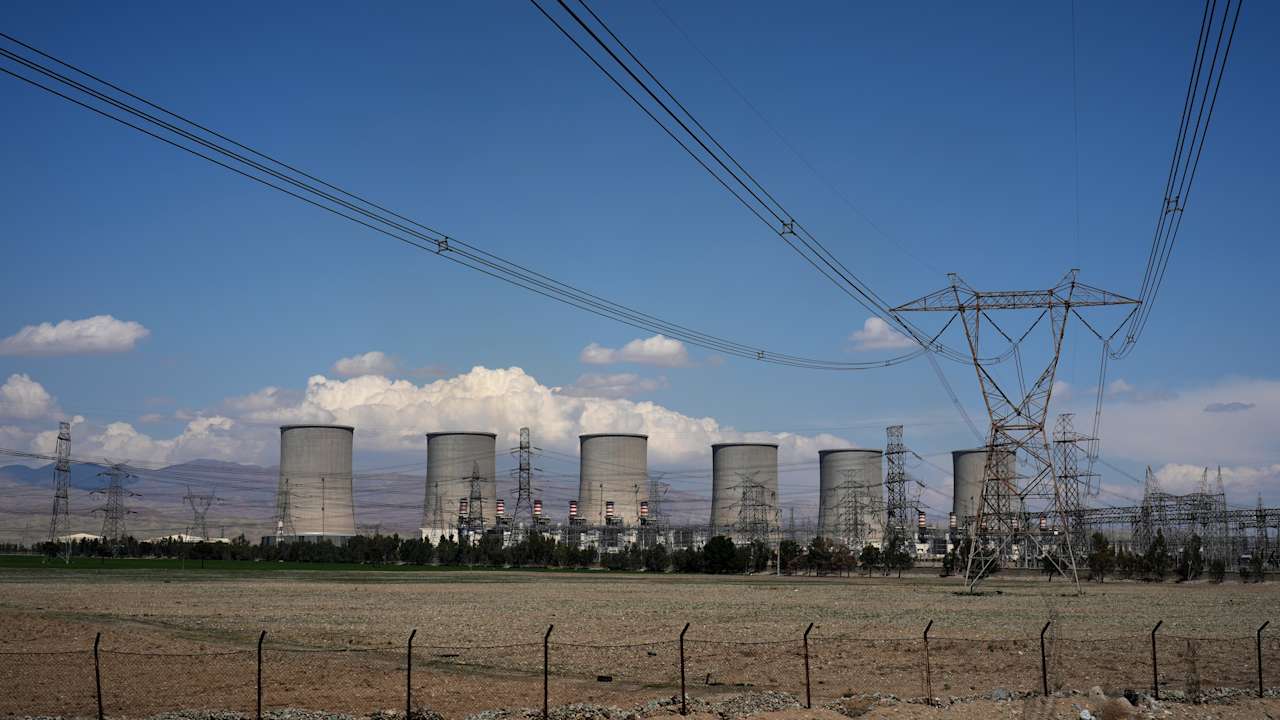
“Every bridge in Iran will be decimated by 12 o’clock tomorrow night,” he said, and all power plants will be “burning, exploding and never to be used again.”
Asked if he was concerned about accusations of war crimes, Trump responded, “No, not at all.”
He suggested that Iranians want the US to carry out its threats because it could lead to the end of their current leadership.
Iranian citizens are “willing to suffer,” he said, “in order to have freedom.”
But there has been no sign of an uprising in Iran as residents shelter from bombardment.
Violation of international law
International warnings piled up against expanded strikes.
“Any attack on civilian infrastructure is a violation of international law and a very clear one,” United Nations spokesperson Stephane Dujarric told journalists.
On Tuesday, French Foreign Minister Jean-Noël Barrot said attacks targeting civilian and energy infrastructure “are barred by the rules of war, international law” and would surely trigger reprisals from Iran.”
“We’re already seeing a surge of fuel prices. If energy facilities in Iran were struck, we can expect reprisals from the Iranian regime that would further worsen an already worrying situation,” he said.
Iranian and Omani officials were also working on a mechanism for administering the strait, through which a fifth of the world’s oil is shipped in peacetime. Iran’s grip on it has shaken the world economy.
Tehran has refused to let US and Israeli vessels through after they started the war on February 28.
’14 million’ Iranian volunteers
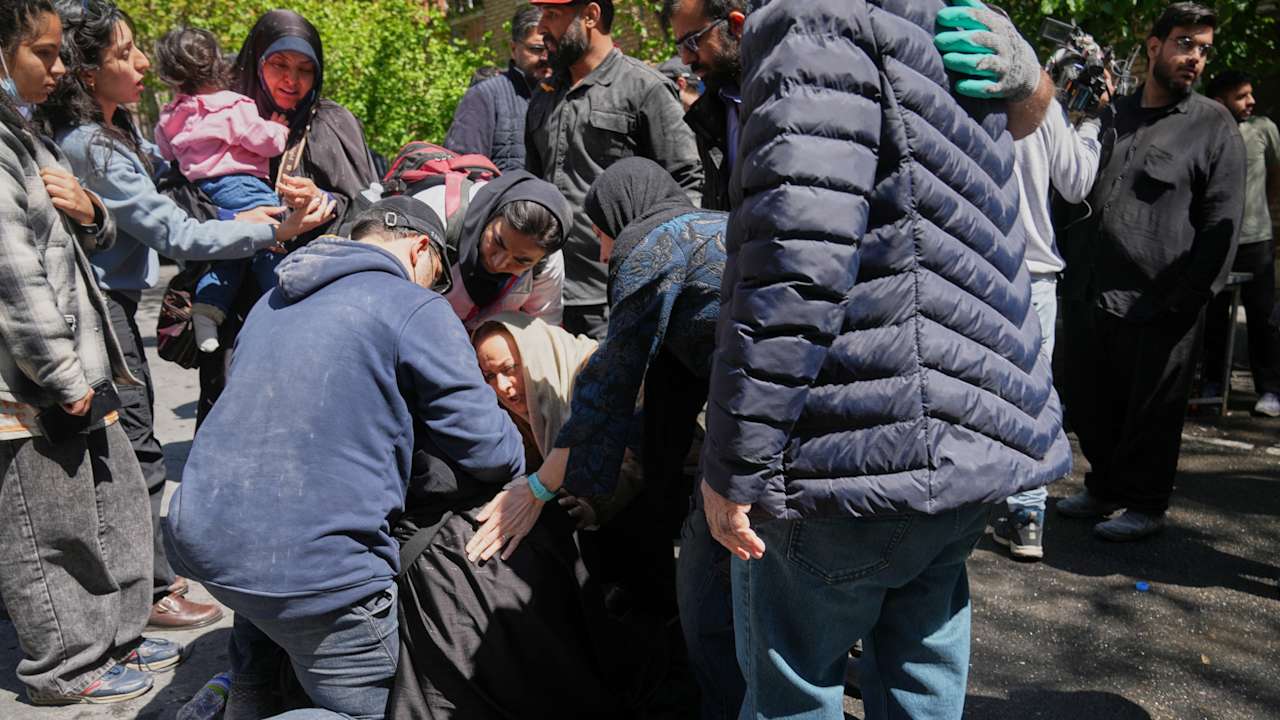
Tehran’s latest strikes came as Iranian officials urged youths to form human chains around power plants to protect them.
It comes as Iran’s president Masoud Pezeshkian said on Tuesday that 14 million Iranians, including himself, have volunteered to sacrifice their lives in the war.
The figure is double that of other figures mentioned by state media in the past about volunteers the government had been soliciting by text messages and media as the war went on.
Iran is home to 90 million people. Many remain angry at the government over its bloody crackdown on nationwide demonstrations and the 14 million figure is likely aimed at trying to dissuade the promised American bombing campaign.
“More than 14 million Iranian people have declared their readiness to sacrifice their lives in the (self-sacrificing) campaign,” Pezeshkian wrote on X.
“I too have been, am, and will remain ready to give my life for Iran.”
Follow STV News on WhatsApp
Scan the QR code on your mobile device for all the latest news from around the country