 Adobe Stock
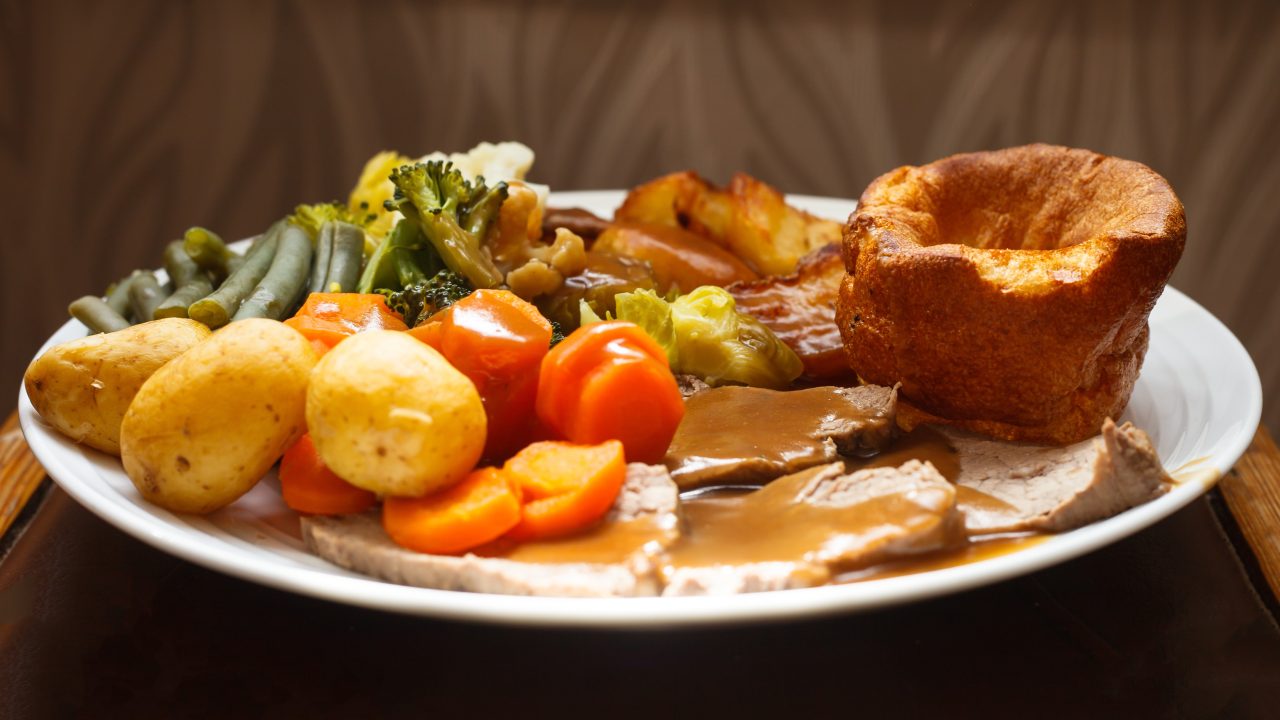
A typical British roast dinner could have been produced with more than 100 pesticides, analysis has found.
Greenpeace researchers examined data used by the Government’s advisory committee on pesticide residues (PRiF) covering vegetables commonly eaten as part of a traditional roast.
They found 102 unique pesticides were present on onions, leeks, carrots, parsnips, potatoes, peas, swede, turnips and strawberries for dessert.
Breaking it down, onions and leeks were found to both be treated with 43 different pesticides, while strawberries were treated with 42.
This was followed by carrots and parsnips with 40, field potatoes with 31, peas with 29, swede and turnips with 20, and stored potatoes with five.
Seven of the 102 pesticides have already been banned in the EU because they have been linked to health impacts, including cancer, and to harm to bees, birds, mammals, and aquatic ecosystems, Greenpeace said.
Its analysis also explored the number of times these British staples are dosed across the growing season, finding all crops received multiple applications and some were sprayed dozens of times.
The campaign group is now warning that intensive pesticide and fertiliser use is putting public health and British wildlife at risk.
Many of the most commonly used pesticides are classified as highly hazardous pesticides (HHPs), meaning they are toxic to humans and wildlife, it said.
Some are also classified as PFAs, which are known as “forever chemicals” because they can take centuries to break down in the environment and have also been linked to cancer as well as harming bees and other pollinators.
Nina Schrank, senior campaigner at Greenpeace UK, said: “A Sunday roast and strawberries might feel like one of the most natural and traditionally British meals imaginable, but behind the scenes they’re produced using an astonishing cocktail of pesticides.
“Our countryside is being drenched in pesticides, with devastating consequences for bees, birds, butterflies, rivers and the soil.
“Fields that once hummed with wildlife are falling silent while agrochemical giants rake in enormous profits, and farmers are trapped in a costly cycle of chemical dependency. That doesn’t strengthen food security – it makes it more fragile.”
While farmers are facing huge pressures from rising costs, climate shocks and volatile markets, Ms Schrank said some are showing there is “another way” as they reduce pesticide use and turn to nature-friendly farming.
The Government’s pesticides action plan outlines the goal to reduce pesticide use by 10% by 2030.
But Greenpeace says ministers must commit to halving use by then to deliver on nature restoration and food security.
It said ministers should also aim for an 80% reduction by 2040, deliver the necessary funding to support farmers so they can reduce their reliance on chemical inputs, and introduce tighter restrictions on pesticide use in public spaces and homes.
The Environment Department (Defra) has been asked for comment.
Follow STV News on WhatsApp
Scan the QR code on your mobile device for all the latest news from around the country