ITV News Science Correspondent Martin Stew tests out the UK’s first robotaxis, as the first fleet is released onto London’s streets
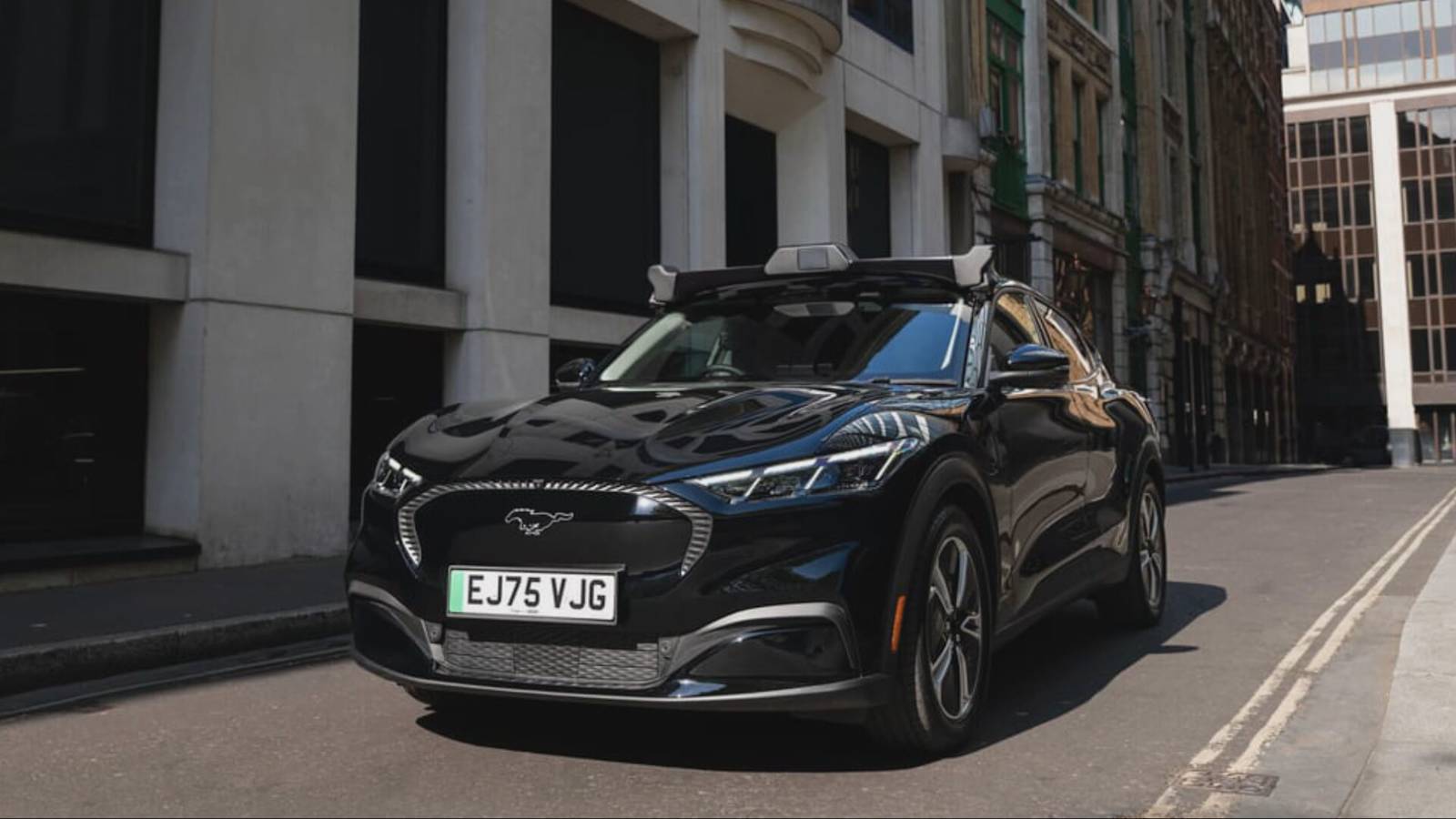
Passengers in London will be able to ride in the UK’s first robotaxis from Thursday as Uber releases a fleet of self-driving taxis onto the streets of the capital.
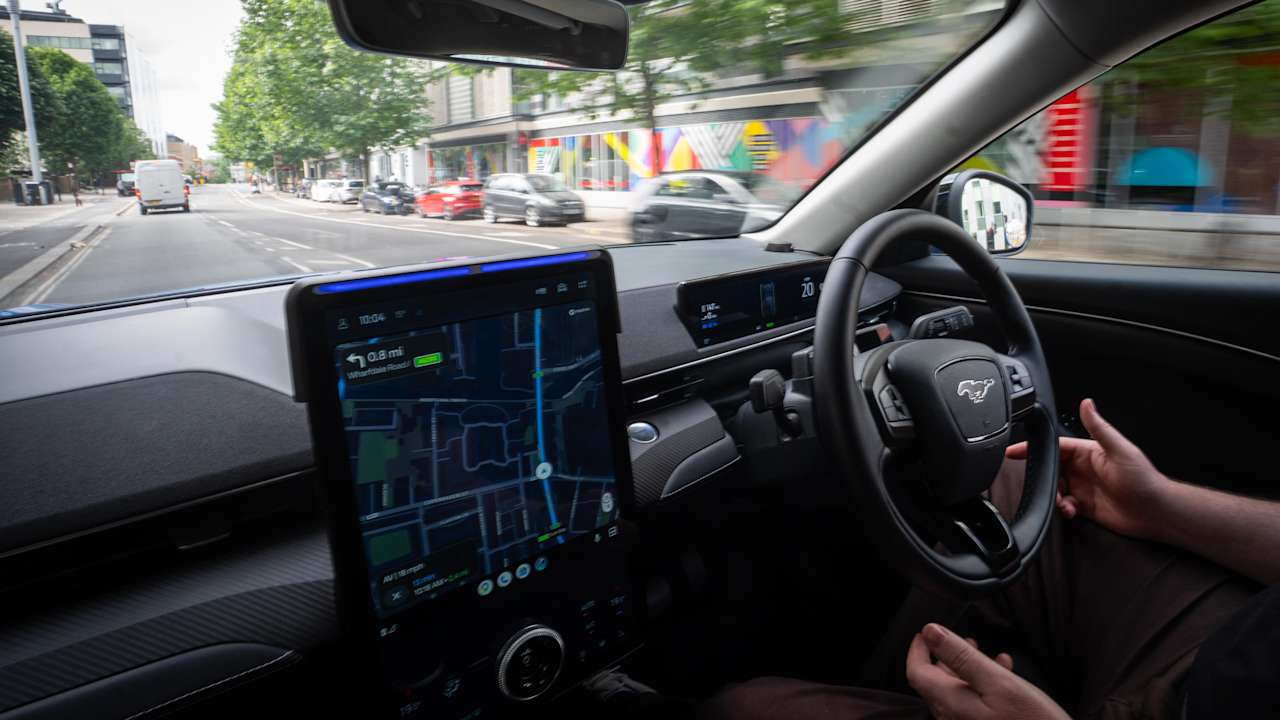
The initial rollout will involve 15 Ford Mustang Mach-E electric vehicles fitted with British tech company Wayve’s autonomous driving technology.
The launch marks the first steps towards allowing autonomous passenger services in the UK, but London’s robotaxis will initially operate with a human safety driver behind the wheel.
The driver will oversee each journey and can take control of the vehicle or apply the brakes if necessary.
Passengers will not be able to specifically request a robotaxi through the Uber app. Instead, customers booking a standard Uber ride may be offered a Wayve-equipped vehicle, which they can choose to accept or reject.
Fares will be the same as for standard Uber rides, and passengers will not be prompted to leave a tip after completing a robotaxi journey, Uber said.
Britain has taken a cautious approach to autonomous taxis, with operators still required to secure approval before vehicles can operate without a human safety driver.
“That process is still playing out,” said Sarfraz Maredia, Uber’s head of autonomous mobility, adding that it was not yet clear how long approval would take.
The UK is developing a national regulatory framework for self-driving vehicles, while companies have been testing autonomous cars on London’s streets.
Wayve and Uber are among the first to move towards a commercial passenger service, with other operators also preparing to enter the market.
Waymo and Chinese technology company Baidu are also gearing up to offer commercial autonomous passenger services in London, where the technology faces a particularly demanding driving environment.
The capital’s narrow, congested roads bring together cars, buses, bicycles, pedestrians and electric rental bikes, creating a complex environment for autonomous vehicles.
The UK is moving more cautiously than some markets where fully autonomous robotaxis are already operating commercially.
In the US, Waymo, owned by Google’s parent company Alphabet, operates driverless taxi services in several cities, while companies including Amazon’s Zoox and Tesla are developing their own services.
China has also become a major market for autonomous taxis, with companies including Baidu, WeRide and Pony.ai operating robotaxi services in multiple cities.
Several of those companies are now expanding into the Middle East through partnerships with Uber and local operators.
In Europe, commercial robotaxi services remain at an earlier stage. Uber said last month that it had launched its first European commercial robotaxi service in Zagreb, Croatia, in partnership with local operators and Chinese autonomous driving company Pony.ai. Human safety drivers are still required there.
In London, Uber plans to expand the service beyond the initial fleet of fewer than 20 vehicles, Maredia said.
Follow STV News on WhatsApp
Scan the QR code on your mobile device for all the latest news from around the country