
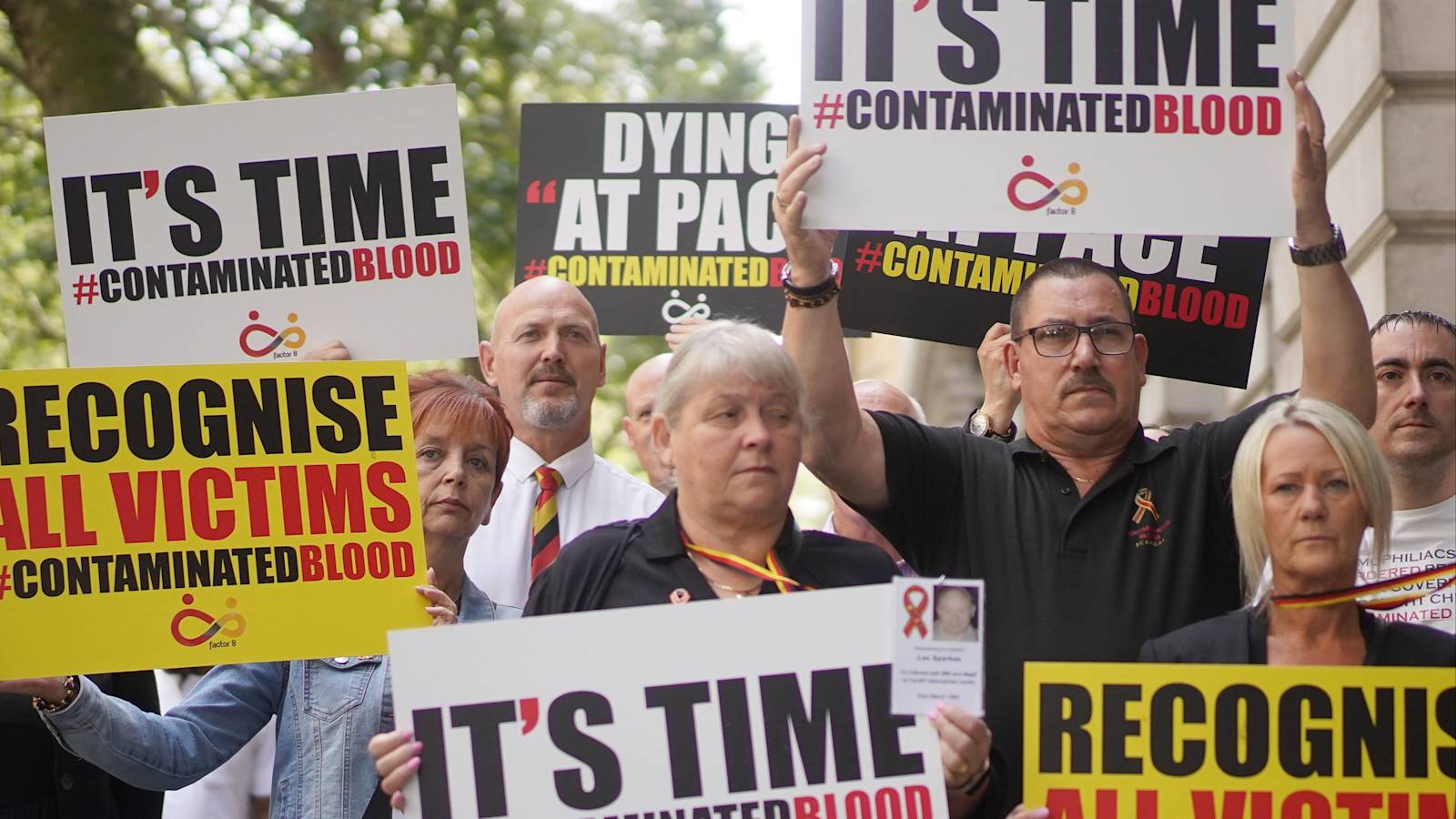
Victims of one of Britain’s biggest scandals are to receive greater compensation as the government increases the amount available and makes it easier for individuals to claim.
On Tuesday, the government announced it would make an additional £1 billion available to those affected by the infected blood scandal.
This additional funding comes on top of the £11.8 billion of funding for compensation announced in the 2024 autumn budget.
The scandal saw people treated with contaminated blood products between the 1970s and 1990s, leading to individuals contracting diseases like Hepatitis and HIV.
It led to one of the UK’s biggest public inquiries, with the compensation scheme facing criticism for its slow and, in some cases, seemingly low offers of compensation.
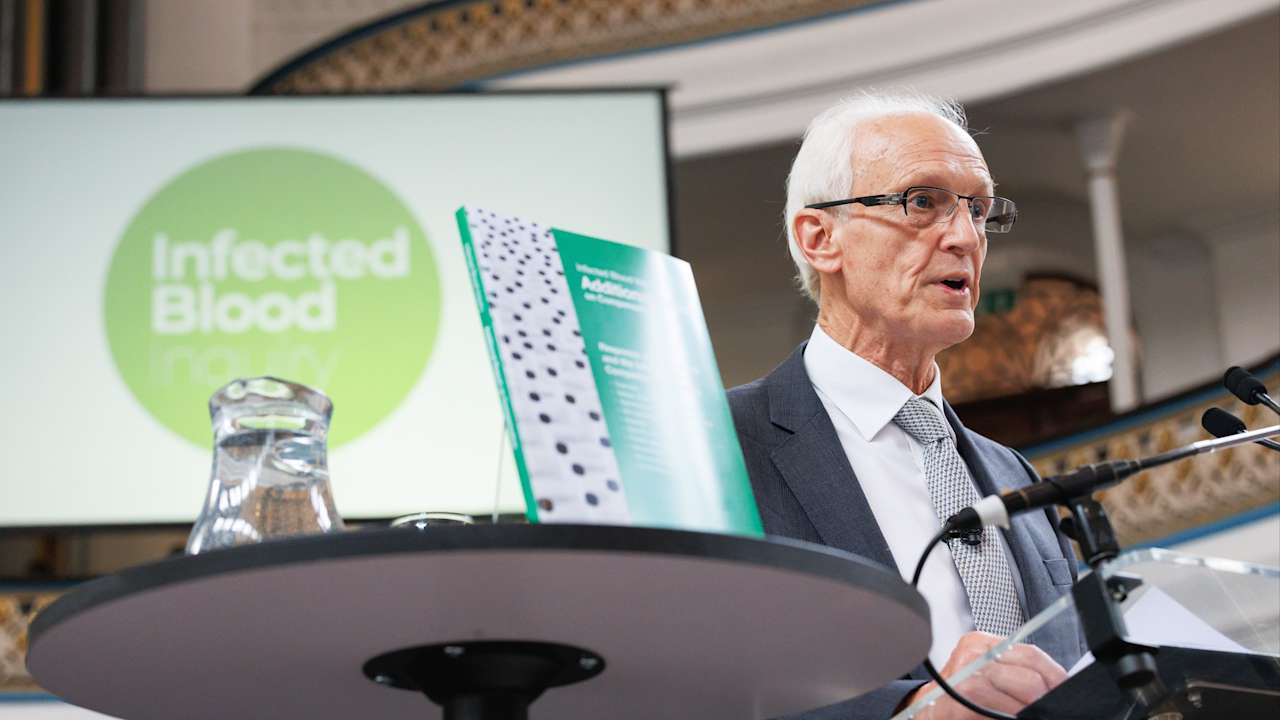
This criticism prompted an additional report by the inquiry’s chair, Sir Brian Langstaff, in which he accused the scheme of perpetuating further harm to the victims being left in the dark.
As of April 7, more than 3,200 offers of compensation have been made, totalling over £2.6 billion. This is in addition to the £1.4 billion already paid out in interim payments.
As well as increasing the amount of money allocated to the compensation scheme, the government will establish new categories under which victims will be eligible to apply for further compensation.
These will include awards for those who suffered “psychological harm,” those suffering side effects from “interferon treatment”, and those who were prevented from entering a highly paid career or disrupted their career progression on account of their infection.
Anyone treated for a bleeding disorder within a specific time period will also receive an unethical research award at an increased value than what was offered before.
A 25% deduction applied to past care compensation for people who choose to receive support scheme payments for life will also be removed.
The government is also establishing a new route for the community to raise concerns with the Infected Blood Compensation Scheme about its design or delivery.
This will include quarterly summaries of the feedback received and the action being taken as a result, aiming to increase the transparency of how the community’s concerns are dealt with.
Addressing MPs in the Commons, government minister Nick Thomas-Symonds said: “The community were clear that the scheme must do more to recognise people’s individual experiences and compensate them fairly in a way that minimises the administrative burden placed upon those who have been harmed, minimises the demand for evidence and maintains the delivery of tariff based compensation, and those requirements underpin the changes.
“While this government understands no amount of money will make up for the suffering endured by the infected blood community, I hope that these changes to the compensation scheme demonstrate our commitment in ensuring this community receives the compensation they rightly deserve.”

More than 30,000 people in the UK were infected with HIV and hepatitis C after they were given contaminated blood and blood products between the 1970s and early 1990s.
More than 3,000 people have died as a result, while survivors are living with lifelong health implications.
The Infected Blood Inquiry heard evidence over four years from hundreds of witnesses.
Since the Infected Blood Inquiry was announced in July 2017, it is estimated that 710 infected and affected people died by the time the final report was published in May 2024.
The Inquiry’s final report said the scandal “could largely have been avoided” and there was a “pervasive” cover-up to hide the truth.
Both government and health officials were accused of “deception”, including destroying documents to “save face and save expense”.
A compensation scheme was announced the day after the report was published.
Last month, campaigners described a lack of progress on the Hillsborough Law to prevent future cover-ups as “an insult” to victims of major disasters and their families.
People affected by the infected blood scandal, the Hillsborough tragedy, and the Horizon Post Office ordeal wrote to the prime minister to express their frustration.
The government has proposed a duty of candour as part of the Public Office (Accountability) Bill – also known as the Hillsborough Law – to meet a manifesto pledge.
The proposed legislation takes its name from the Hillsborough disaster, after which families campaigned for years to get to the truth behind what caused the crush, which led to the death of 97 football fans at the FA Cup semi-final between Liverpool and Nottingham Forest in 1989.
It would create a duty for public authorities and public officials to always act “with candour, transparency and frankness in their dealings with inquiries and investigations”, and to flag information to inquiry and investigation leaders, if they think it is relevant.
However, its progress through Parliament has stalled amid a row over whether people in organisations such as MI5 and MI6 would be subject to the same duties as other public servants.
Follow STV News on WhatsApp
Scan the QR code on your mobile device for all the latest news from around the country