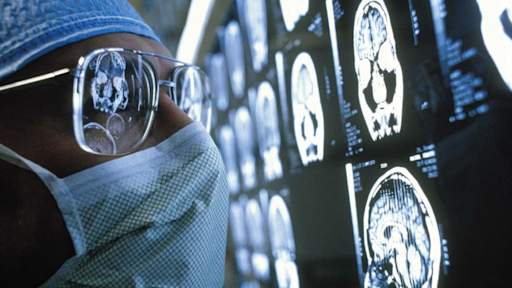
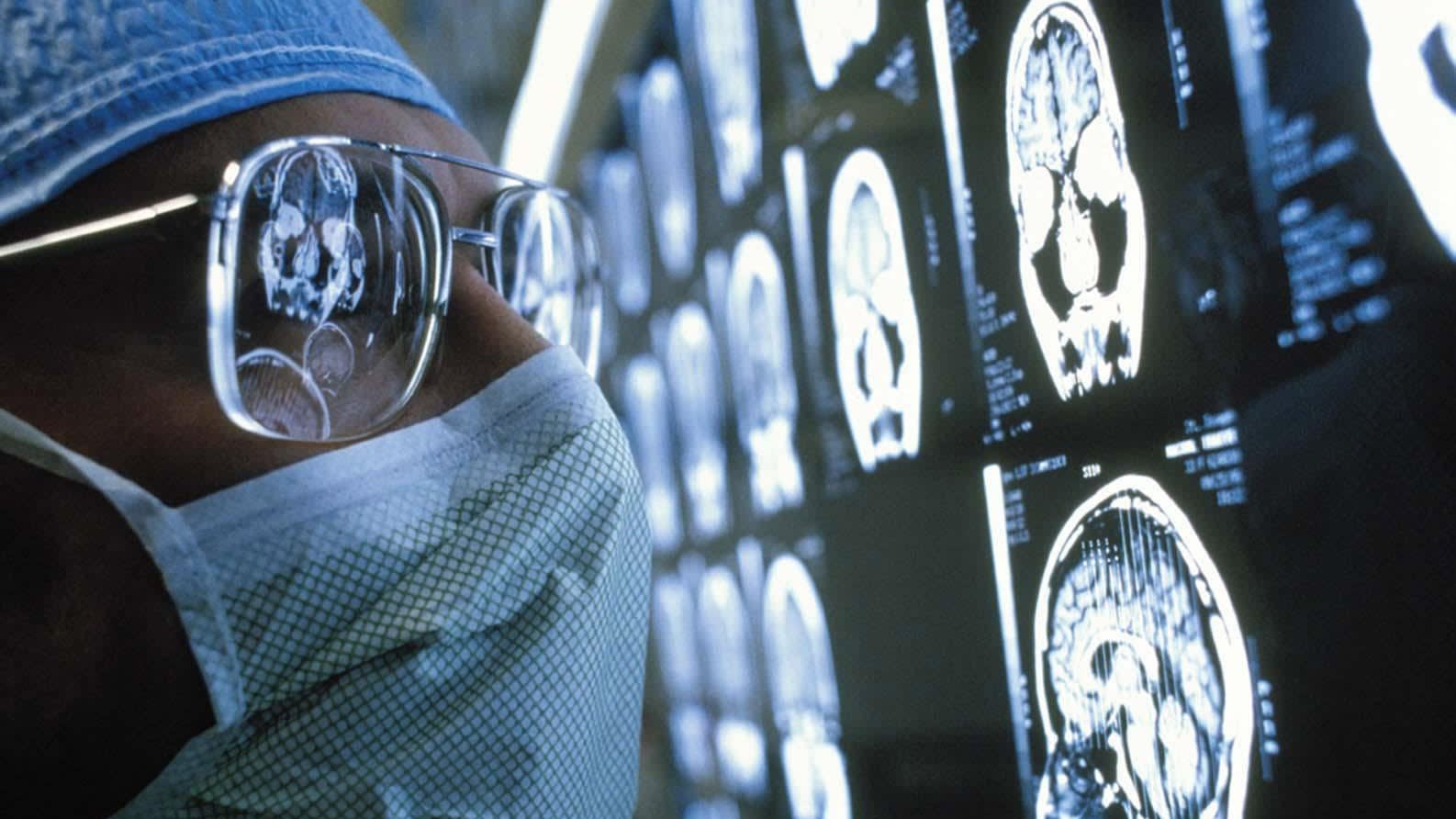
Patients with brain tumours will be offered rapid genetic testing as part of a new pilot study, which will reduce the average diagnosis rates from weeks to days, according to the NHS.
The test works by quickly analysing the genetic code of a sample of a patient’s tumour, which means diagnosis of the precise type of tumour during surgery can be confirmed within two hours while the operation is still happening.
It is hoped that the move will help patients get personalised care sooner and could help them enrol on to clinical trials which they otherwise would have missed out on.
Experts say the new technology could “transform” diagnosis and treatment, as brain tumours are “notoriously difficult” to diagnose. There are more than 100 different types, which range from slow-growing tumours to aggressive cancers.
Professor Frankie Swords, NHS England’s medical director, said it’s huge leap forward for patients.
“A faster diagnosis means they can start the right treatment or access clinical trials sooner, while for some patients it could mean surgeons can make potentially life-changing decisions about their surgery while on the operating table,” Prof Swords said.
The rapid genomic test was created by experts at the University of Nottingham and Nottingham University Hospitals NHS Trust, where it is already in use.
Stuart Smith, consultant neurosurgeon at Nottingham University Hospitals NHS Trust and clinical associate professor at the University of Nottingham, said the test “will save valuable waiting time for patients who potentially are being told they don’t have time on their side.”
“In some cases, that can help us judge how far we should safely go while protecting healthy brain tissue,” he said.
One patient described how the rapid test has taken away “what could have been weeks of anxiety”.
Steve Palmer, 55, from Nottingham, was diagnosed with a grade 4 glioblastoma after collapsing at the gym.
“For me, getting that quick diagnosis of exactly what type of tumour I had was a key thing, because it meant we could get the treatment plan in place very rapidly,” he said.
“Getting that definite result quickly took away what could have been weeks of anxiety. I’d had the surgery and I just wanted to get on to the next phase of treatment and recovery, and get on with fighting whatever I’ve got to fight.”
Dr Karen Noble, director of research and policy at Brain Tumour Research, said: “Genomic testing has the power to transform diagnosis, treatment and research for brain tumours, but current turnaround times are in many cases too long to inform care and access to clinical trials, especially for more aggressive forms of the disease.”
NHS England will be piloting the test in specialist centres around England.
Follow STV News on WhatsApp
Scan the QR code on your mobile device for all the latest news from around the country