
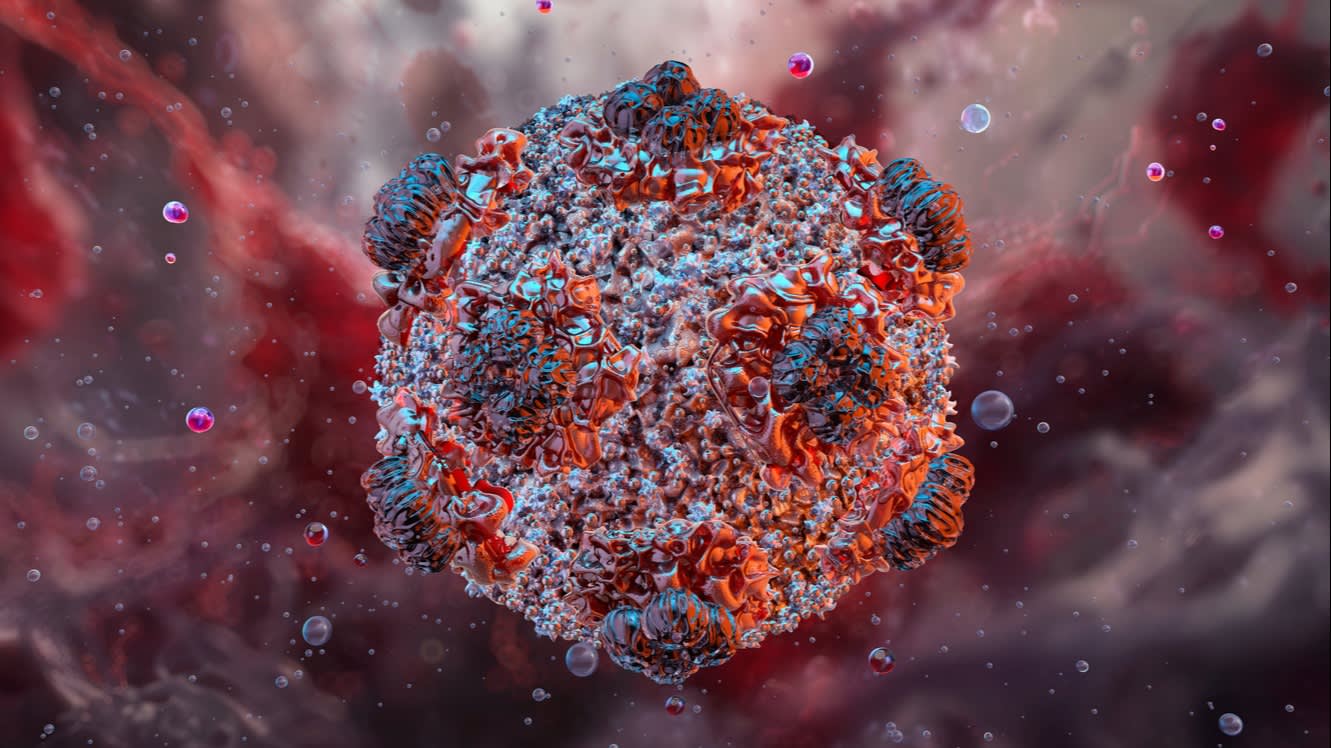
Three people have died in a suspected outbreak of hantavirus on a cruise ship in the Atlantic Ocean, the World Health Organisation (WHO) has said.
The WHO said one case of hantavirus infection has been confirmed, and there are five additional suspected cases.
South Africa’s Department of Health said a British passenger has tested positive for hantavirus and is being treated in intensive care.
ITV News explains what hantavirus is and how it spreads.
What is hantavirus?
Hantaviruses are a group of viruses that are normally carried by rodents, such as rats, mice and voles.
They are present throughout the world and can cause a range of diseases in humans ranging from mild, flu-like illness to severe respiratory illness or haemorrhagic disease with kidney issues.
How does it spread?
Hantavirus is mainly spread by contact with rodents or their urine, saliva or droppings, particularly when the material is disturbed and becomes airborne, posing risk of inhalation.
People are typically exposed to hantavirus around their homes, cabins or sheds, especially when cleaning out enclosed spaces with little ventilation or exploring areas where there are mouse droppings.
The WHO says that while it rarely happens, hantaviruses can also spread directly between people.
What are the symptoms?
Symptoms can include:
- Fatigue;
- Fever;
- Muscle aches, particularly in large muscle groups such as thighs and back;
- Headaches;
- Dizziness;
- Chills;
- Abdominal problems such as vomiting and diarrhoea.
Symptoms of hantavirus pulmonary syndrome usually show between one to eight weeks after contact with an infected rodent. As the infection progresses, patients might experience tightness in the chest, as the lungs fill with fluid.
How dangerous is it?
An infection can rapidly progress and become life-threatening.
The disease gained attention last year after late actor Gene Hackman’s wife, Betsy Arakawa, died from a hantavirus infection in New Mexico.
What is the cure?
There is no specific treatment or cure, but early medical attention can increase the chance of survival.
How can you avoid hantavirus?
The best way to avoid the germ is to minimise contact with rodents and their droppings, and using protective gloves and a bleach solution for cleaning up rodent droppings.
Public health experts caution against sweeping or vacuuming which can cause virus to get into the air.
Follow STV News on WhatsApp
Scan the QR code on your mobile device for all the latest news from around the country