Words by ITV News Assistant Producer Sasha Kay
The state of California has brought in a new law requiring that manufacturers add folic acid to tortillas to decrease birth defects in Latino babies.
Many have welcomed the change, but some are claiming the Californian state government of over-interference and even “colonising” traditional Latin American foods.
What is the law?
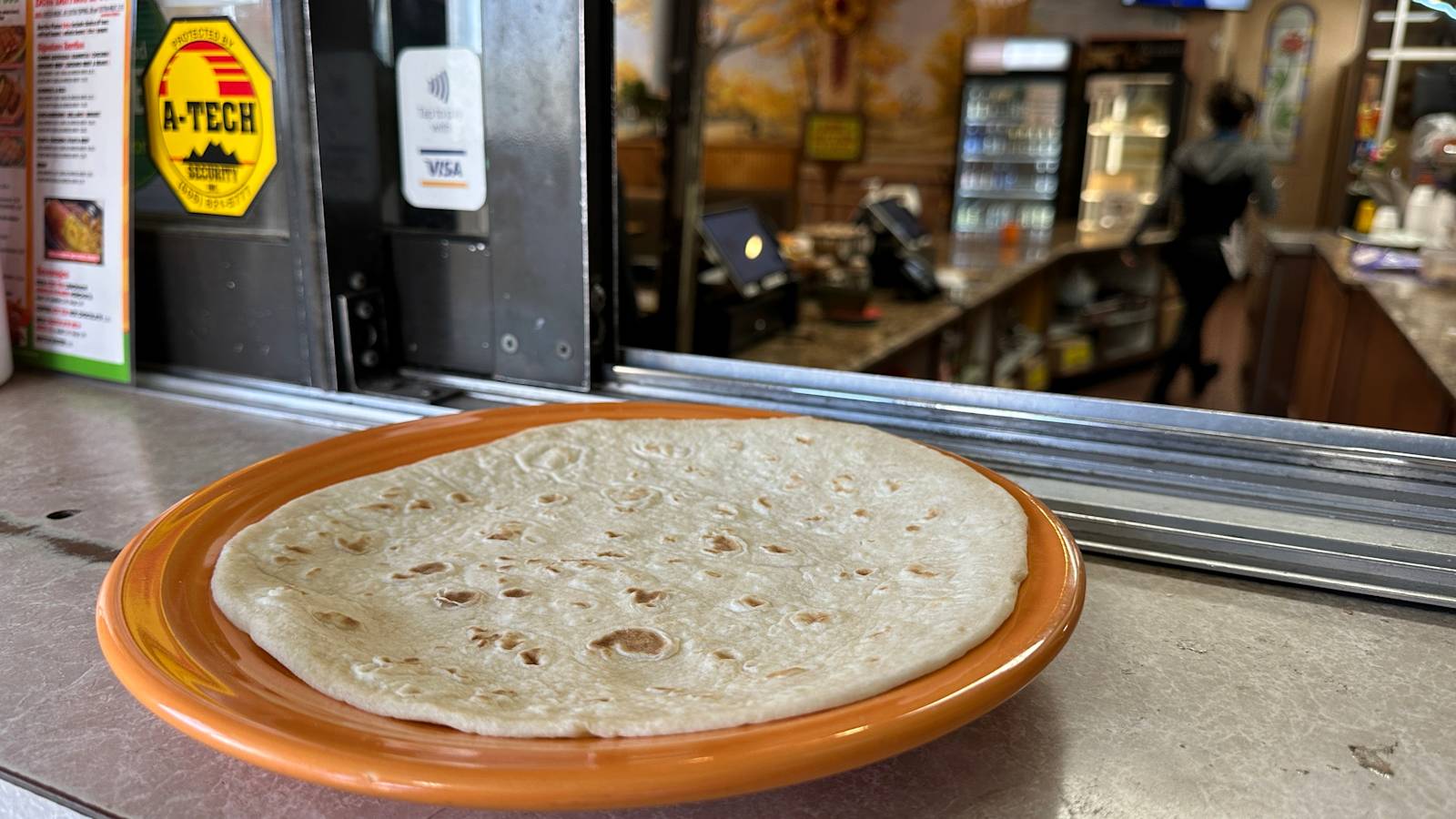
As of 2026, manufacturers must add folic acid to corn masa products sold in California.
Corn masa products are a staple of Latin American cooking, and the most common is tortilla.
Why has the law been brought in?
Local government says its goal is to decrease birth defects in children born to Latina mothers.
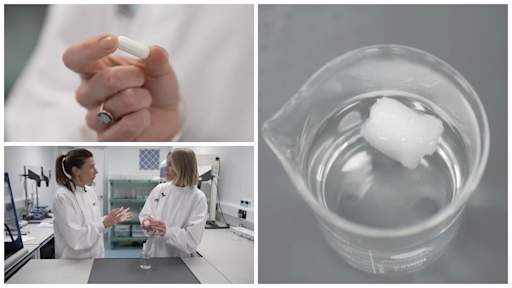
Folic acid is a synthetic vitamin that promotes new cell growth. It has been scientifically proven to reduce birth defects by up to 70% when consumed during pregnancy.
Why target tortillas?
In 1998, US authorities made it compulsory for folic acid to be added to certain foods like pasta and rice. The years following that mandate saw a total decrease of around 30%.
However, since that mandate, there has not been as significant a decrease in Latino babies being born with birth defects US.
In fact, in the US, Latino babies have the highest prevalence of folic acid-related birth defects compared to other ethnic groups.
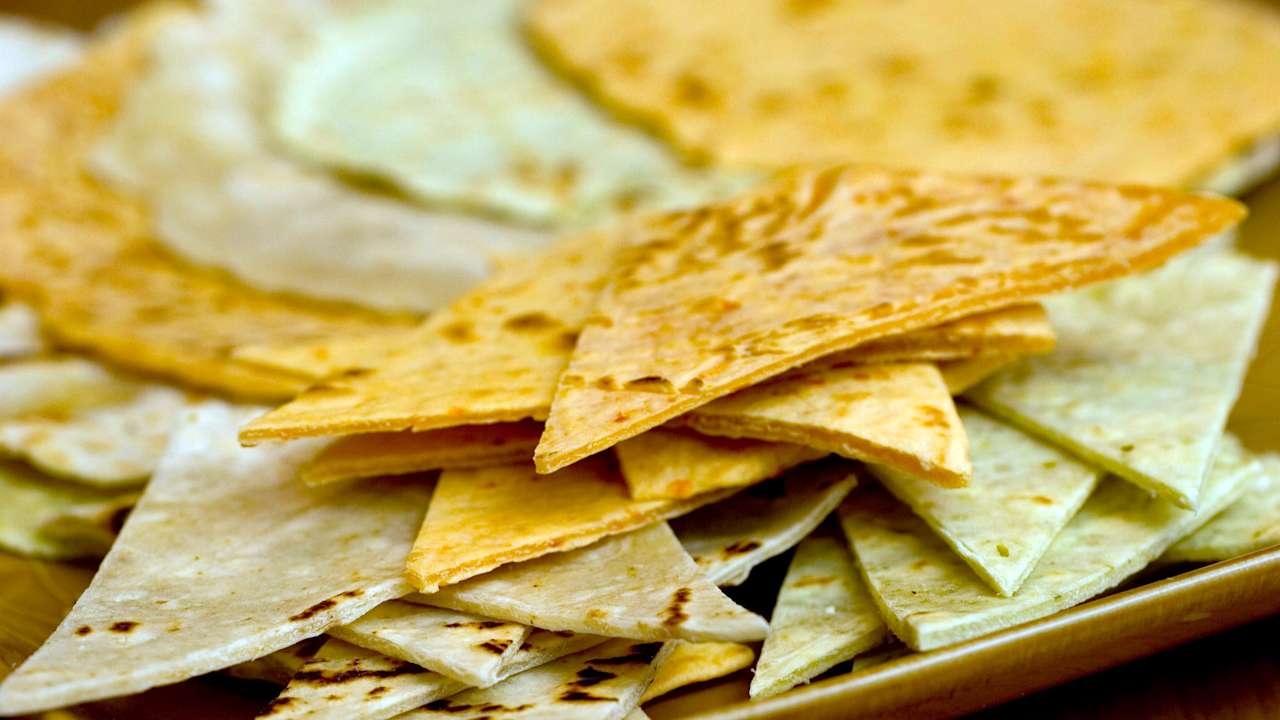
California is now targeting tortillas as they are predominantly eaten by the Latino population. Lawmakers say that targeting foods that are staples in these households is an important step towards health equity.
California has the largest total Latino population of any US state, with almost 16 million people making up 40% of the state’s residents.
Why is it controversial?
Tortillas have been made in the same way for several thousand years, using just four ingredients: corn masa, water, a fat, and salt.
This traditional recipe is entrenched in Latin American cooking, passed down through generations, and seen by some people as an important part of culture to protect.
Enrique Rodriguez, CEO of La Princesita Tortillería tortilla company in Los Angeles, has been opposed to the law since its initial draft.
In 2024, he wrote an open letter to the Senate Health Committee in an effort to postpone the initial hearings.
He has spoken of his worry about this mandate erasing “cultural identity by altering the ancestral practices used that define our product.”
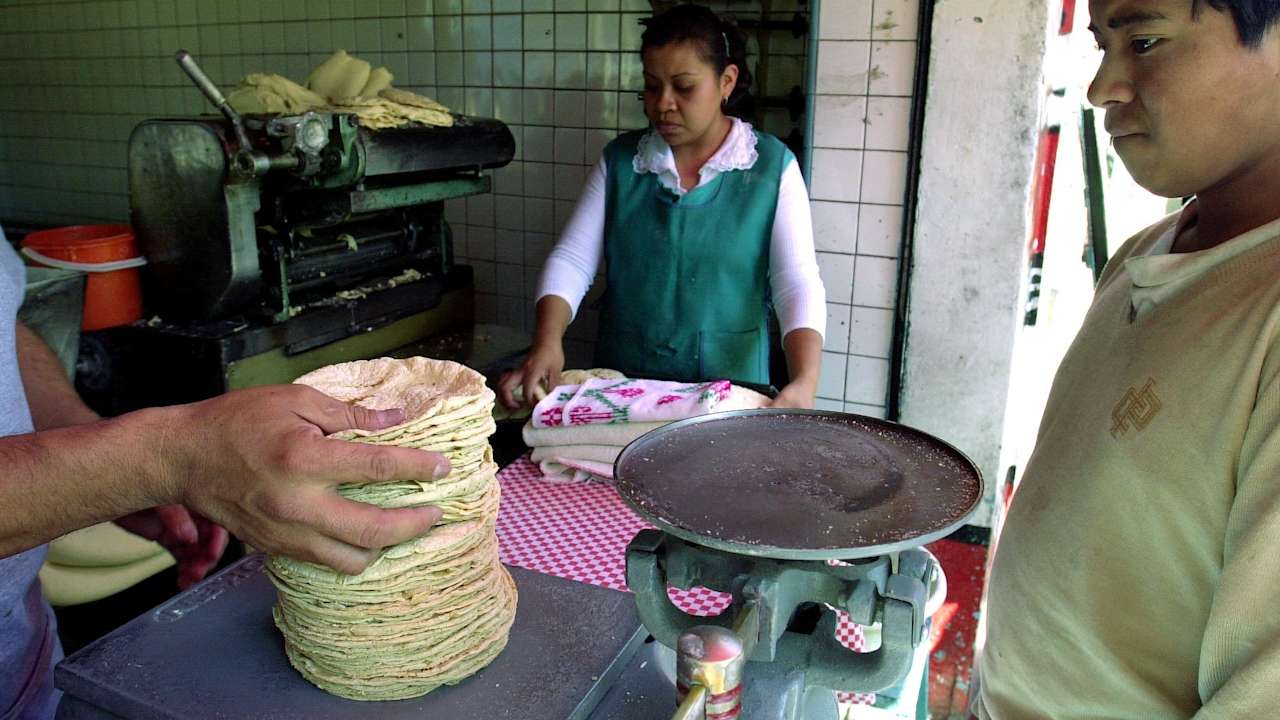
LA bakery owner Arturo Enciso has told local media that the law is “unfortunate and represents a step backward.”
“As a state, we should serve as custodians of this ancestral staple food, rather than influencing it with synthetic, man-made folate.”
Another LA-based restaurant owner has also told local media that she also worries about folic acid affecting the taste of tortilla. Fátima Juárez said she finds folic acid “very bitter,” and that it “definitely affects flavour”.
Californian journalist Gustavo Arellano has also claimed that folic acid-enriched tortillas “linger longer on the palate than an old school tortilla” and “turn rubbery” while eating.
Are there similar plans in the UK?
The UK government has announced that it will require non-wholemeal wheat flour to be fortified with folic acid by the end of 2026.
This will affect a range of products in the UK, including bread, cake, and pasta.
The Department for Health and Social Care has outlined that they hope that this law will prevent around 200 cases of neural tube defects in babies every year and improve overall health when pregnant.
Andrew Gwynne, Minister for Public Health and Prevention, has said that “these measures are a simple and effective intervention to improve health outcomes in babies, giving them the best start in life.”
Follow STV News on WhatsApp
Scan the QR code on your mobile device for all the latest news from around the country